
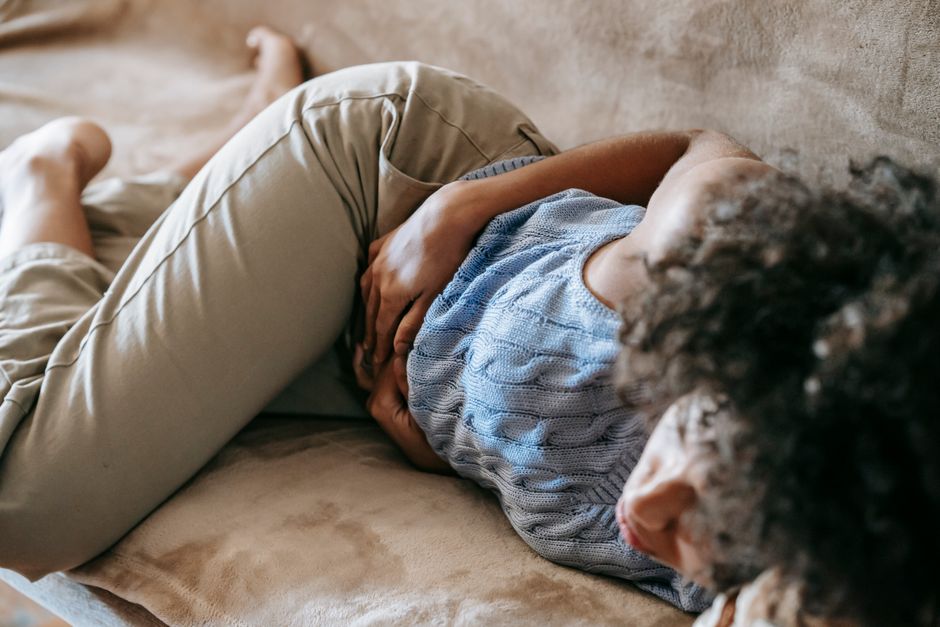
That familiar ache or twisting pain in your gut after a few drinks is not random, and it is not all in your head. Alcohol directly irritates the lining of your stomach and changes how your digestive tract moves. It also triggers inflammation and can speed up or slow down the normal muscular waves that push food through your system. Any of these effects can produce cramping.
The cramping is usually a sign that alcohol is irritating your stomach lining, disrupting digestion, or both. How intense it feels depends on how much you drank, whether you drank on an empty stomach, what you mixed it with, and how sensitive your gut already is.
Why Is My Stomach Cramping After Drinking Alcohol?
Alcohol is absorbed directly through the stomach lining, and it does not need to be digested first. That direct contact is part of the problem.
When alcohol touches the stomach wall, it can break down the protective mucus layer that normally shields the lining from stomach acid. With that barrier weakened, acid reaches the tissue underneath and causes irritation. The result is often a burning or cramping sensation, sometimes with nausea.
Alcohol also affects motility — the coordinated muscle contractions that move contents through your stomach and intestines. It can speed these up, which may cause cramping and urgent diarrhea. In some people it slows them down instead, leading to bloating and a heavy, uncomfortable feeling.
There is another factor many people miss. Alcohol increases permeability in the gut lining, sometimes called “leaky gut.” This lets substances that normally stay inside the intestine pass into the bloodstream. The body responds with low-grade inflammation, which can show up as cramping and general gut discomfort. This effect is well documented in research but its role in everyday symptoms after a single night of drinking is still being studied.
What Is Happening Inside Your Gut When You Drink?
Several things happen at once, and they overlap.
- Stomach lining irritation. Alcohol strips the protective mucus layer, allowing acid to irritate the tissue directly.
- Faster stomach emptying. Alcohol can push stomach contents into the small intestine more quickly than normal.
- Changed intestinal contractions. The rhythmic muscle movements of your gut can become irregular or exaggerated.
- Inflammation. Alcohol triggers an immune response in the gut wall, which can cause pain and sensitivity.
- Altered fluid balance. Alcohol is a diuretic, and it can change how your intestines handle water, leading to loose stools or urgency.
The combination explains why cramping often comes with other symptoms — nausea, bloating, gas, or diarrhea. The gut does not respond to alcohol in one single way. It responds in several ways at once.
Why Does Alcohol Cause Diarrhea and Cramping Together?
Diarrhea and cramping often travel together because both come from the same underlying effect: your intestines are moving too fast and not absorbing fluid properly.
When alcohol speeds up transit through the bowel, there is less time for water to be absorbed. The result is loose, watery stool. The cramping is the muscular effort of the intestine pushing contents along faster than usual.
Some drinks make this worse than others. Beer and wine contain fermentable carbohydrates and sulfites that some people do not tolerate well. Sugary mixers and artificial sweeteners can add to the problem. Sweeteners ending in “-ol” — sorbitol, xylitol, mannitol — are known to cause gas and cramping in some people even without alcohol.
If you notice that certain drinks consistently trigger worse symptoms than others, the alcohol itself may not be the only culprit. The rest of the drink matters too.





Does Drinking on an Empty Stomach Make Cramping Worse?
Yes. Drinking on an empty stomach makes cramping more likely and often more intense.
With no food to dilute the alcohol or slow its absorption, it reaches the stomach lining in a more concentrated form and moves into the bloodstream faster. Food acts as a buffer. A meal containing protein and fat slows the rate at which alcohol leaves the stomach, which reduces the peak concentration that hits your gut lining.
This is one reason the same number of drinks can feel completely different depending on whether you ate beforehand. It is not about tolerance alone. It is about how much alcohol is sitting against your stomach wall at one time.
When Is Stomach Cramping After Drinking a Warning Sign?
Most cramping after drinking is temporary and eases as the alcohol clears your system. But some symptoms need medical attention.
Seek medical care if you have:
- Severe or worsening abdominal pain that does not improve
- Vomiting blood or material that looks like coffee grounds
- Black, tarry stools
- Signs of dehydration — dizziness, rapid heartbeat, very little urination
- Cramping that continues for more than a day or two after you stop drinking
- Pain so intense you cannot stand upright or find a comfortable position
These can signal gastritis, a stomach ulcer, pancreatitis, or another condition that needs evaluation. Pancreatitis in particular can cause severe upper abdominal pain that radiates to the back, and it is sometimes triggered by alcohol. That is a medical emergency, not something to wait out.
There is also a longer-term concern. Repeated alcohol exposure can lead to chronic gastritis, where the stomach lining stays inflamed. Over time this can cause persistent pain, nausea, and a reduced ability to absorb certain nutrients. The evidence linking heavy long-term drinking to chronic gastrointestinal damage is strong.
How Do You Prevent Stomach Cramping From Alcohol?
The most reliable way to prevent it is to drink less or not at all. That is not a slogan — it reflects how the mechanism works. Less alcohol means less direct irritation and less disruption to gut motility.
If you do drink, these steps may reduce the chance of cramping:
- Eat before and while you drink. Food slows alcohol absorption.
- Drink water between alcoholic drinks. This helps with hydration, though it does not prevent the direct irritation of alcohol on the stomach lining.
- Avoid drinks that have triggered symptoms before. Pay attention to mixers and sweeteners.
- Limit carbonated drinks, which can increase bloating and pressure in the stomach.
- Space drinks out over time rather than drinking quickly.
None of these methods eliminate the risk. They reduce it. Anyone who tells you a specific food, supplement, or remedy prevents alcohol-related stomach cramping is going beyond what the evidence shows.
Does Alcohol Make Existing Gut Conditions Worse?
It often does. People with irritable bowel syndrome, inflammatory bowel disease, or chronic gastritis tend to be more sensitive to alcohol’s effects on the gut.
For someone with IBS, alcohol can trigger the same motility changes that cause symptoms in the first place — speeding up or slowing down the bowel in unpredictable ways. For someone with IBD, alcohol may increase inflammation and make flare-ups more likely. Some studies suggest a link between alcohol and worsened IBD symptoms, though the research is not fully consistent.
If you already have a diagnosed gut condition and notice that alcohol reliably makes it worse, that pattern is worth discussing with your doctor. It is not a sign of weakness or a personal failing. It is your gut responding to a known irritant.
Frequently Asked Questions
Why does my stomach cramp immediately after drinking alcohol?
Alcohol contacts the stomach lining directly and can break down its protective mucus layer within minutes. That allows stomach acid to irritate the tissue, which can cause cramping quickly.
How long does alcohol-related stomach cramping usually last?
For most people, cramping eases within several hours as the alcohol is metabolized and cleared. If it lasts more than a day or two after you stop drinking, it should be evaluated by a doctor.
Does drinking water help stop stomach cramps from alcohol?
Water helps with hydration but does not undo the direct irritation alcohol causes to the stomach lining. It may reduce some symptoms related to dehydration, but it is not a treatment for the cramping itself.
Can certain types of alcohol cause more cramping than others?
Some people react more to beer, wine, or sugary mixed drinks because of carbohydrates, sulfites, or artificial sweeteners. There is no single type of alcohol that is proven to be gentler on the stomach for everyone.
