
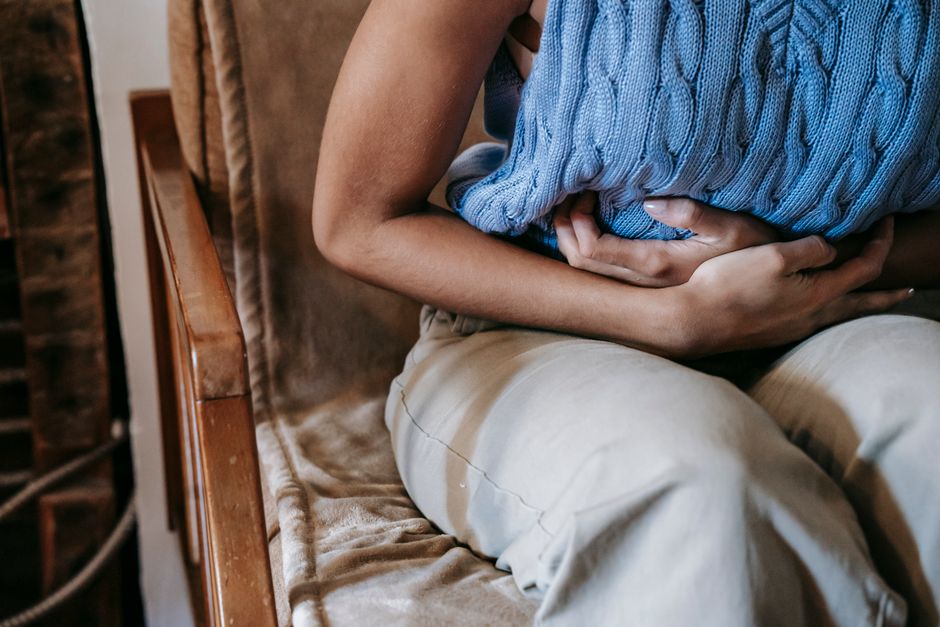
If your period has ended but your lower belly still aches, you are not imagining it. Cramping after a period is common, and it usually comes from one of a handful of well-understood causes. The most frequent reasons are normal hormonal shifts, ovulation, or a condition such as endometriosis or an infection that a doctor can identify.
The timing matters. Cramps that show up a few days after bleeding stops often point to a different trigger than cramps that never fully went away. Paying attention to when the pain starts, how long it lasts, and what comes with it gives you and your doctor the clearest picture.
Why Is My Stomach Cramping After My Period?
The uterus is a muscle, and it responds to chemical signals. During your period, the lining of the uterus sheds, and the hormone-like compounds called prostaglandins make the muscle contract to push that lining out. When those contractions are strong, they cause cramps.
After bleeding stops, prostaglandin levels should fall. If cramping continues, something else is usually driving it. Common explanations include:
- Normal hormonal fluctuation as estrogen begins to rise again
- Ovulation, which can happen surprisingly soon after bleeding ends in shorter cycles
- Endometriosis or adenomyosis, where tissue similar to the uterine lining grows where it should not
- Uterine fibroids, which are non-cancerous growths in the uterine wall
- An infection such as pelvic inflammatory disease
- Irritable bowel syndrome or another digestive issue that feels like pelvic cramping
Each of these produces pain through a different mechanism, which is why the pattern of your cramps matters so much. A dull ache that fades in a day is a different signal than sharp pain that builds over several days.
When Does Cramping After a Period Point to Ovulation?
Ovulation is one of the most overlooked causes of post-period cramping. It happens when an ovary releases an egg, usually about midway through the cycle. In a short cycle, that midpoint can land just a few days after bleeding stops.
Some people feel a distinct twinge on one side of the lower belly. This is sometimes called mittelschmerz, a German term meaning “middle pain.” It can last anywhere from a few minutes to a day or two. The pain comes from the follicle in the ovary stretching and then rupturing as it releases the egg, and from a small amount of fluid or blood that irritates the surrounding tissue.
Ovulation cramping usually has a few recognizable features:
- It tends to be one-sided, though the side can switch from cycle to cycle
- It often comes with a small amount of clear, stretchy vaginal discharge
- It may last only hours, or up to a day or two
- It is generally mild and does not get worse over time
If your pain matches this pattern and stays mild, it is usually not a concern. If it is severe, one-sided, and comes with dizziness or fainting, seek medical care promptly, because a ruptured ovarian cyst or an ectopic pregnancy can cause similar symptoms and both are emergencies.
Could Endometriosis or Adenomyosis Be the Cause?
Endometriosis is a condition where tissue similar to the lining of the uterus grows outside it, often on the ovaries, fallopian tubes, or the tissue lining the pelvis. This tissue still responds to hormonal signals, so it can bleed and inflame the area around it — but the blood has no way out. That trapped inflammation is a major source of pain.
Adenomyosis is related but different. Here, tissue similar to the uterine lining grows into the muscular wall of the uterus itself. This can make periods heavy and painful, and the uterus may become enlarged and tender.
Both conditions can cause pain that does not respect your calendar. Cramping may continue after bleeding stops, get worse during sex, or show up around bowel movements. Some studies suggest endometriosis affects roughly one in ten people of reproductive age, though estimates vary widely because diagnosis often requires surgery to confirm.
One clarification worth knowing: endometriosis pain is not simply “bad period cramps.” It is a distinct inflammatory process, and the amount of pain does not always match how much tissue is present. Some people with extensive disease have little pain, and some with minimal disease have severe pain.




Can an Infection Cause Cramping After Your Period?
Yes, and this is one of the causes that needs prompt attention. Pelvic inflammatory disease (PID) is an infection of the reproductive organs, often starting in the cervix and moving upward. It can cause cramping that continues after bleeding ends.
Signs that point toward infection rather than a normal cycle include:
- Pain that is getting worse rather than better
- Fever or chills
- Unusual or foul-smelling vaginal discharge
- Pain or bleeding during sex
- Burning when you urinate
PID is treatable with antibiotics, and early treatment matters. Untreated infection can lead to scarring of the fallopian tubes and long-term complications. If you have fever with pelvic pain, contact a healthcare provider rather than waiting to see if it passes.
How Do You Tell Pelvic Pain From Digestive Pain?
The pelvis and the lower digestive tract sit close together and share nerve pathways, so it can be genuinely hard to tell them apart. This is a common source of confusion, and it is not a failure of body awareness — the wiring really does overlap.
Irritable bowel syndrome (IBS) can cause cramping in the lower abdomen that feels like menstrual pain. So can constipation, gas, or a bout of gastroenteritis. A few patterns help point toward a digestive cause:
- Pain that changes with eating or with bowel movements
- Bloating, gas, diarrhea, or constipation alongside the cramps
- Relief after a bowel movement
- Pain that does not follow your cycle at all
If your cramping tracks your cycle closely, a reproductive cause is more likely. If it tracks your meals and bathroom habits, a digestive cause is more likely. When the two overlap, tracking symptoms in a simple diary for a couple of months can help your doctor sort it out.
What Else Can Cause Post-Period Cramping?
Several other conditions can produce lower belly pain after bleeding ends. Uterine fibroids are non-cancerous growths in the muscle wall of the uterus. They can cause pressure, heaviness, and cramping, and they are more common as people get closer to menopause.
Ovarian cysts are fluid-filled sacs on or in an ovary. Many are harmless and go away on their own, but a large one can cause a dull ache or a sharp pain if it twists or ruptures. A urinary tract infection can also cause lower abdominal discomfort that gets mistaken for pelvic cramping, especially when it comes with frequent or painful urination.
Less commonly, cramping that continues after a period can be a sign of an ectopic pregnancy, where a fertilized egg implants outside the uterus. This is a medical emergency. Severe one-sided pain, shoulder pain, dizziness, or fainting all warrant immediate care.
When Should You See a Doctor?
Mild cramping that fades within a day or two is usually not a reason to worry. The picture changes when pain is severe, lasts longer than a few days, or comes with other symptoms.
Reach out to a healthcare provider if you notice:
- Pain that is severe enough to interfere with daily life
- Cramping that lasts more than a few days after your period ends
- Fever, chills, or unusual discharge
- Heavy bleeding or bleeding between periods
- Pain during sex or with bowel movements
- Pain that is getting worse over time rather than better
Diagnosis usually starts with a conversation about your symptom pattern and a pelvic exam. Depending on what your doctor finds, they may suggest an ultrasound, lab tests, or, in some cases, a procedure called laparoscopy to look directly at the pelvic organs. Endometriosis in particular often cannot be confirmed without that step.
There is no single test that explains all post-period cramping. The path to an answer is usually a process of ruling things out, which is why clear information about your own pattern is so useful.
Frequently Asked Questions
Is it normal to cramp after your period ends?
Mild cramping that fades within a day or two can be normal, often related to hormonal shifts or ovulation. Pain that is severe, lasts several days, or comes with fever or unusual discharge is not something to ignore.
Can you get cramps right after your period from ovulation?
Yes, ovulation can cause one-sided cramping, and in shorter cycles it can happen just days after bleeding stops. It usually lasts from a few hours up to a day or two and tends to be mild.
How do I know if my cramping is endometriosis?
You cannot know for certain without a medical evaluation, since endometriosis often requires laparoscopy to confirm. Clues include pain that continues after your period, pain during sex, and cramping that gets worse over time.
When should cramping after a period be treated as an emergency?
Seek immediate care for severe one-sided pain, fainting, dizziness, or shoulder pain, which can signal a ruptured cyst or ectopic pregnancy. Fever with pelvic pain also needs prompt medical attention.
