

Skin that hurts to touch, even without a visible rash or injury, is a real and often confusing symptom. This condition, known medically as allodynia, means your brain is interpreting a normal, harmless touch as pain. It is not in your head, and it is not simply sensitive skin. Allodynia is a specific change in how your nervous system processes signals from your skin, and it can be triggered by several distinct underlying conditions.
What Does It Mean When Your Skin Hurts To Touch?
When your skin is painful to touch, the light pressure from clothing, a gentle finger, or even a breeze can feel like stinging, burning, or sharp pain. The medical term for this is allodynia. It is different from hyperalgesia, which is an increased response to something that is already painful, like a pinprick.
Allodynia involves a misfiring in the nervous system. The nerve endings in your skin are sending pain signals to your brain, but the trigger is not something that should cause pain. This is a neurological processing issue, not a sign that your skin itself is damaged. Understanding this distinction is the first step to figuring out why it is happening to you.
Why Is My Skin Painful To Touch? The Main Causes
The most common reason for skin that hurts to touch is a condition called allodynia. This symptom is a hallmark of several distinct medical issues, and identifying the root cause is essential for proper management.
Here are the primary conditions associated with this type of skin pain:
- Fibromyalgia: This is a chronic condition characterized by widespread musculoskeletal pain. Allodynia is a core feature. The nervous system becomes sensitized, amplifying pain signals from the body.
- Migraine: Many people who suffer from migraines experience cutaneous allodynia during or before an attack. Even brushing your hair or wearing earrings can become painful. This is a sign that the migraine is affecting the central nervous system.
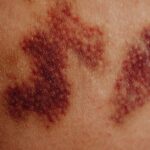
- Shingles (Herpes Zoster): Before a shingles rash appears, the affected area often becomes painful, burning, or sensitive to touch. This is a reactivation of the chickenpox virus within the nerve roots.
- Peripheral Neuropathy: Damage to the peripheral nerves, often from diabetes, chemotherapy, or other conditions, can cause burning, tingling, and pain from light touch in the hands and feet.
- Complex Regional Pain Syndrome (CRPS): This is a chronic pain condition that usually affects an arm or leg after an injury. The skin in the affected area can become extremely sensitive to touch.
- Sunburn: A severe sunburn can leave skin tender and painful to the touch. This is a more direct inflammatory response, but the pain pathway is still heightened.
These are the most common associations, but they are not the only ones. If you are experiencing this symptom, it warrants a medical evaluation to determine the specific cause.
How Allodynia Works in the Nervous System
The pain you feel is not coming from the skin itself. It is coming from your nervous system. Specialized nerve fibers called nociceptors are responsible for detecting potentially damaging stimuli. In allodynia, these fibers become hyperexcitable, or the spinal cord and brain begin to amplify their signals.
This process is called central sensitization. The nervous system is essentially turned up too high. A signal from a light touch, which normally travels along non-painful pathways, gets misinterpreted and processed as a pain signal.
This explains why the pain can feel so real and intense even though there is no visible injury. The system that is supposed to protect you is malfunctioning, sending false alarms that result in real pain.




When To See a Doctor About Skin Pain
Because skin pain can be a symptom of a serious underlying condition, you should not try to manage it on your own for a long period. You should see a doctor if the pain is new, persistent, or accompanied by other symptoms.
Seek medical attention promptly if the painful area is also:
- Red, swollen, or warm to the touch.
- Developing a rash or blisters.
- Associated with muscle weakness or numbness.
A doctor can perform a physical exam and review your medical history to narrow down the cause. They may order blood tests or imaging studies if they suspect a specific condition. Early diagnosis is particularly important for conditions like shingles, where antiviral treatment is most effective when started early.
Treatment and Management for Painful Skin
Treatment for allodynia depends entirely on the underlying cause. There is no single cure. The goal is to reduce the pain and manage the condition that is triggering it.
For migraines, treating the acute attack can help resolve the associated allodynia. For fibromyalgia, treatment often involves a combination of medication, gentle exercise, and stress management. For shingles, antiviral medications can reduce the severity and duration of the outbreak.
Some medications are used specifically to treat nerve pain. These include certain antidepressants, such as duloxetine, and anti-seizure medications, such as gabapentin or pregabalin. These drugs work by calming the hyperactive nerve signals, but they must be prescribed by a doctor.
There is no evidence that over-the-counter pain relievers are effective for allodynia. This type of pain does not respond to typical anti-inflammatory drugs because it is not caused by tissue inflammation. The pain is a neurological signal, and it requires a different approach.
Is It Just Sensitive Skin?
There is a difference between having sensitive skin and having allodynia. Sensitive skin often reacts to products with a stinging or burning sensation, but it does not usually cause pain from a simple touch. Allodynia is a distinct neurological symptom.
If you only have a reaction to certain creams or soaps, you are likely dealing with irritation or a mild allergy. If your skin hurts when your partner touches your arm gently, or when your shirt rubs against you, that is more consistent with allodynia.
This distinction matters because it changes the approach. Treating the skin with moisturizers will not fix a nervous system issue. You need to address the underlying neurological problem.
What To Expect at a Doctor’s Appointment
When you see a doctor for skin pain, they will ask specific questions to understand the nature of the pain. Be prepared to describe when it started, what makes it worse, and if you have any other symptoms like fatigue, headaches, or muscle aches.
The physical exam will likely involve the doctor testing your sensitivity to touch and temperature in the affected areas. They will be looking for patterns that point to specific conditions. For example, pain that follows a single nerve path on one side of the body is a classic sign of shingles.
Your doctor may also ask about your sleep, stress levels, and mental health. Chronic pain conditions are closely linked to these factors, and they are relevant to a comprehensive diagnosis.
Frequently Asked Questions
Why does my skin hurt when I touch it but nothing is there?
This is a condition called allodynia, where the nervous system misinterprets light touch as pain. It is a neurological symptom, not a sign of skin damage.
Can stress cause your skin to hurt to touch?
Stress does not directly cause allodynia, but it can worsen existing conditions like fibromyalgia or migraines. High stress levels can increase central sensitization, making pain signals stronger.
What is the fastest way to relieve skin pain from allodynia?
There is no fast over-the-counter remedy for allodynia. The most effective relief comes from treating the underlying condition, which requires a medical diagnosis.
Is skin pain a symptom of a vitamin deficiency?
Certain vitamin deficiencies, such as B12 deficiency, can cause nerve damage that leads to neuropathic pain. This is a less common cause, but your doctor can check for it with a simple blood test.
