

A skin tag on your nipple is almost always a benign, harmless growth of normal skin tissue. It is not cancer, and it does not mean you have a serious disease. Skin tags form when small clusters of collagen and blood vessels become trapped inside a fold of skin, and they can appear anywhere the skin rubs or creases — including the nipple and areola.
That said, the nipple is a sensitive area, and any new growth there deserves a closer look. Some growths that look like skin tags are actually something else. A quick exam by a doctor is the only way to know for sure. This article explains what a skin tag is, why one might show up on the nipple, what else it could be, and when to get it checked.
Why Do I Have A Skin Tag On My Nipple?
Skin tags are made of the same tissue as the skin around them — collagen fibers, blood vessels, and a thin outer layer. The medical name is acrochordon. They happen when the top layer of skin pushes outward and traps a small pocket of softer tissue underneath.
Doctors do not know exactly why this happens to one person and not another. What they do understand is the pattern: skin tags tend to form where skin folds, rubs, or creases. The nipple and areola sit in a curved, creased area of the body, and clothing, bras, and skin-on-skin contact create friction there. That friction is one of the leading theories for why tags form.
Friction alone does not fully explain it. Skin tags are more common in people with certain body types and metabolic profiles, which suggests hormones and insulin may also play a role. But no single cause has been proven. Most researchers treat skin tags as a result of several factors working together, not one clear trigger.
What Makes Someone More Likely To Get One?
Several factors are linked to a higher chance of developing skin tags. None of them guarantees a tag will form, and none of them explain every case.
- Skin rubbing against skin or clothing — the most commonly cited trigger, especially in creased areas.
- Being overweight or having a higher BMI — extra skin folds create more areas where friction happens.
- Insulin resistance and type 2 diabetes — skin tags are seen more often in people with these conditions, though the reason is not fully clear.
- Pregnancy — hormonal shifts and weight gain during pregnancy are linked to new skin tags.
- Genetics — skin tags can run in families.
- Age — they become more common in middle age and older adulthood.
The link between skin tags and metabolic health is worth a note. Some research suggests that people with many skin tags may be more likely to have insulin resistance. That does not mean a single tag on your nipple signals a metabolic problem. It means that if you have many tags in several body folds, it may be reasonable to ask your doctor about your blood sugar. One isolated tag is not a warning sign on its own.
Is A Skin Tag On The Nipple Different From Other Skin Tags?
No. A skin tag is a skin tag, wherever it grows. The tissue is the same. What changes is the location and what that location means for your health.
The nipple and areola are part of the breast, and the breast is an area where new lumps and skin changes get more attention. That is not because skin tags there are more dangerous — they are not. It is because the breast is a site where other, more serious conditions can appear, and it is easy to mistake one for the other at a glance.
So the tag itself is not special. The caution around it is. Any new growth on the breast or nipple deserves a professional look, even when it seems obviously harmless.

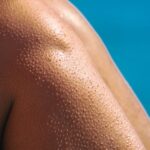

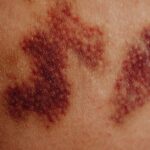

What Else Could A Growth On The Nipple Be?
This is the most important section in this article. Several conditions can look like a skin tag on or near the nipple, and some of them need treatment.
- Molluscum contagiosum — small, firm, dome-shaped bumps caused by a virus. They often have a tiny dimple in the center.
- Warts — rough growths caused by human papillomavirus (HPV).
- Seborrheic keratosis — a benign, waxy, raised growth that can look pasted onto the skin.
- Intraductal papilloma — a small, usually benign growth inside a milk duct, often near the nipple. It can cause clear or bloody nipple discharge.
- Nipple adenoma — a rare, benign tumor of the nipple that can look like a skin tag or a small sore.
- Paget’s disease of the nipple — a rare form of breast cancer that can start as a scaly, itchy, or crusty patch on the nipple. It can be mistaken for eczema or a harmless skin change.
Notice the range. Most of these are benign. A few are not. You cannot tell them apart by looking in a mirror, and neither can most people without training. That is the entire reason a doctor’s exam matters here.
One detail that helps: skin tags are usually soft, movable, and skin-colored or slightly darker. They often sit on a thin stalk. Growths that are firm, fixed, scaly, bleeding, or changing quickly are more concerning and should be checked promptly.
When Should You See A Doctor?
See a doctor for any new growth on the nipple or breast that you have not had checked before. That is the safe default, and it applies even if the growth looks like a classic skin tag.
Get seen sooner — within days, not weeks — if the growth:
- Bleeds, oozes, or crusts over
- Changes in size, shape, or color
- Is firm or fixed to the skin rather than movable
- Comes with nipple discharge, especially bloody or clear discharge
- Comes with a lump in the breast, skin dimpling, or a change in the nipple’s shape
- Causes pain or itching that does not go away
These signs do not mean you have cancer. Most of the time they point to something harmless. But they are the signs that doctors use to decide who needs a closer look, and skipping that step is not worth the risk.
How Are Skin Tags Removed?
Skin tags do not need to be removed for medical reasons in most cases. They are benign. Removal is usually a cosmetic choice, or it is done because the tag catches on clothing or feels uncomfortable.
When removal is wanted, doctors use a few standard methods:
- Snip removal — the tag is cut off at the base with sterile scissors, sometimes after a numbing shot.
- Cryotherapy — the tag is frozen with liquid nitrogen and falls off.
- Cauterization — the tag is burned off with a small electrical current.
- Ligation — a tiny band is tied around the base to cut off blood flow, and the tag drops off.
These are minor procedures. They are usually done in a clinic and take only minutes. Because the nipple is sensitive, numbing is often used.
Do not try to remove a tag on your nipple at home. Over-the-counter freezing kits and wart treatments are not designed for this area, and the skin there is thin and delicate. Cutting or tying off a growth you have not had examined also means you never find out what it actually was. If a tag turns out to be something else, removing it yourself could delay a diagnosis.
Can You Prevent Skin Tags On The Nipple?
There is no proven way to prevent skin tags. Because the exact cause is not known, no method has been shown to stop them from forming.
What you can do is reduce the friction that may contribute. A well-fitted bra that does not dig or rub can help. Keeping skin folds clean and dry may reduce irritation. Managing weight and blood sugar is good for your overall health, and it may lower the odds of developing many tags over time — but this has not been proven as a prevention method for nipple tags specifically.
If you are prone to skin tags, you may keep getting them. That is normal. They are a common, harmless part of many people’s skin. The goal is not to prevent every tag. It is to notice new ones and get the ones on sensitive areas checked.
Frequently Asked Questions
Can a skin tag on the nipple be cancer?
A skin tag itself is not cancer, but some breast cancers and other conditions can look like one at first glance. Only a doctor’s exam can tell the difference, so any new nipple growth should be checked.
Should I remove a skin tag on my nipple?
There is usually no medical need to remove it because skin tags are benign. Removal is a personal choice, and it should be done by a doctor rather than at home because the nipple skin is delicate.
What causes skin tags to appear on the nipple?
Friction, skin folds, hormones, and genetics are all thought to play a role, but no single cause has been proven. The nipple’s curved, creased shape may make it more prone to friction-related tags.
Can I pop or cut off a skin tag myself?
No. Cutting or popping a growth you have not had examined can cause infection and may delay finding out what it really is. See a doctor for safe removal.
