
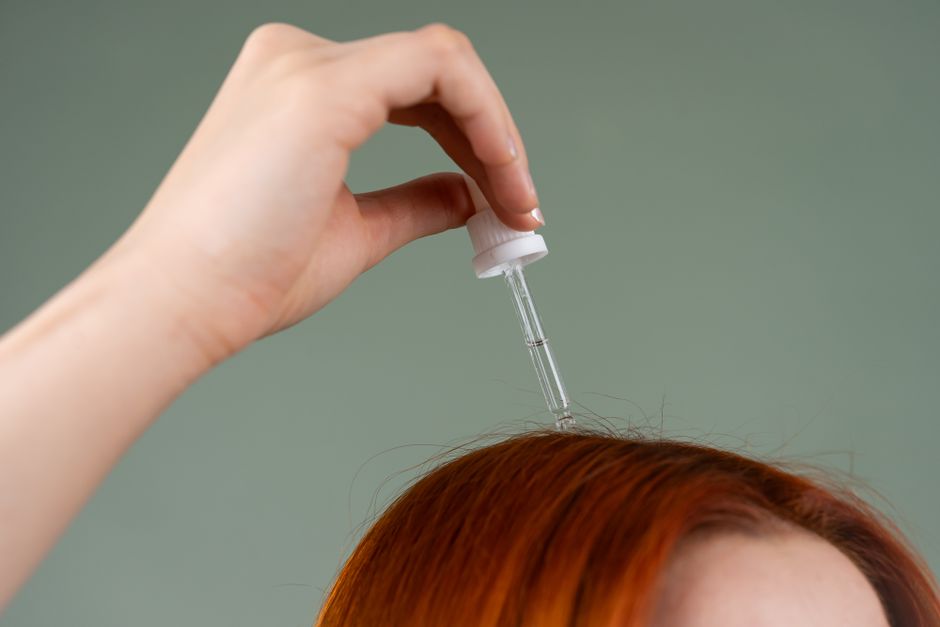
A sensitive scalp can feel like a constant, low-grade annoyance or a sharp, sudden pain. You might notice burning, stinging, itching, or a feeling of tenderness when you brush your hair or even when it touches your pillow. This isn’t just in your head; it is a real physical response. The causes range from simple product irritation to inflammatory skin conditions, and identifying the specific trigger is the first step toward relief.
What Does a Sensitive Scalp Actually Feel Like?
Scalp sensitivity is not a single diagnosis. It is a symptom that describes a group of uncomfortable sensations on the skin of your head. People often describe it as a burning sensation, a prickling feeling, or a general soreness that makes the scalp tender to the touch.
This discomfort can be constant, or it might flare up in response to specific actions. For some, it is the simple act of moving their hair that triggers the pain. For others, it is the pressure of a hat or a ponytail that causes the issue. The severity can change day to day, which often makes it hard to pinpoint a single cause without some investigation.
Why Is My Scalp Sensitive? Causes And Triggers
Several distinct mechanisms can cause a sensitive scalp. The most common involve the skin barrier, the nerves beneath the skin, or the hair follicles themselves. Often, more than one factor is at play, which is why a solution that works for one person may not work for another.
Understanding the underlying physiology helps clarify why these triggers cause pain. The scalp has a rich network of nerve endings. When the skin’s protective outer layer is compromised, or when inflammation is present, these nerves become hyper-reactive. This means they send pain signals to the brain in response to stimuli that should not be painful, like a light touch.
Inflammatory Skin Conditions
Conditions like seborrheic dermatitis and psoriasis are common culprits. Seborrheic dermatitis causes flaky, greasy patches of skin, often accompanied by redness and itching. Psoriasis leads to thickened, silvery scales that can crack and bleed. Both conditions involve inflammation, and that inflammation irritates the nerve endings in the scalp.
If you have visible flakes, redness, or scaly patches alongside the sensitivity, an inflammatory condition is a strong possibility. These are chronic conditions that can be managed but not cured, and treatment focuses on controlling inflammation and reducing flare-ups.
Contact Dermatitis and Product Reactions
Your shampoo, conditioner, hair dye, or styling products might be the problem. Contact dermatitis occurs when your skin has an allergic reaction or an irritant reaction to a substance it touches. Common irritants include fragrances, preservatives, and harsh detergents like sulfates.
Hair dye is a frequent trigger. The chemical para-phenylenediamine (PPD), found in many permanent dyes, is a well-known allergen. Even products you have used for years can suddenly start causing a reaction, as allergies can develop over time. The reaction usually appears within a few hours to a couple of days after exposure.
Nerve-Related Pain
Sometimes the issue is not the skin itself but the nerves supplying it. Occipital neuralgia is a condition where the occipital nerves, which run from the top of the spinal cord up through the scalp, become inflamed or irritated. This typically causes a shooting or stabbing pain, often described as similar to a migraine or a severe headache.
This pain is usually felt at the back of the head and can radiate forward. It can be triggered by keeping the neck in an awkward position for a long time, or by pressure on the nerve. Unlike skin conditions, nerve pain is often sharp and electric rather than a dull burn or itch.
Sunburn and Environmental Damage
The scalp gets less attention than the rest of your skin when it comes to sun protection. The skin on your scalp is thin, and your hair provides less protection than you might think, especially if you have a parting or thinning hair. A sunburn on the scalp causes the same damage as a sunburn elsewhere, leading to tenderness, peeling, and sensitivity.
Wind, extreme cold, and dry indoor heating can also strip moisture from the scalp. This weakens the skin barrier, making it more susceptible to irritation from other products and environmental factors.
How Skin Barrier Damage Contributes to Sensitivity
Your scalp, like the rest of your skin, has a protective outer layer called the stratum corneum. This barrier keeps moisture in and irritants out. When this barrier is healthy, your scalp can tolerate a fair amount of contact with shampoos, styling products, and weather changes.
When the barrier is damaged, the skin loses moisture and becomes more permeable. This allows potential irritants to penetrate deeper into the skin, where they can trigger an inflammatory response. Over-washing, using very hot water, and using products with high alcohol content can all strip away the natural oils that support this barrier.
This explains why a simple change like switching to a gentler shampoo can sometimes resolve sensitivity. You are not treating a disease; you are allowing the skin barrier to repair itself by removing the source of the irritation.



When Scalp Sensitivity Is a Sign of Something Else
In some cases, scalp sensitivity is a symptom of a broader health issue. It is not the primary problem but a secondary effect of something happening elsewhere in the body. For example, people who experience tension headaches or migraines often report scalp tenderness as part of their symptom profile.
Hormonal changes can also play a role. Some women report increased scalp sensitivity during pregnancy, menstruation, or menopause, though the exact mechanism is not fully understood. Similarly, significant stress can worsen many skin conditions and increase the perception of pain.
It is also worth noting that a sensitive scalp can sometimes be an early sign of hair loss. Inflammatory conditions that damage the hair follicle can cause both discomfort and shedding. If you notice increased hair fall alongside the sensitivity, this connection is worth discussing with a doctor.
How to Find Relief and Soothe Your Scalp
Start by simplifying your hair care routine. Stop using any products that contain fragrances, dyes, or harsh detergents. Look for products labeled “fragrance-free” rather than “unscented,” as unscented products can still contain masking fragrances. Wash with lukewarm water instead of hot water, as heat can worsen inflammation.
If you suspect a specific product is the culprit, stop using it and see if your symptoms improve. This is called an elimination test. It can take a few weeks for the skin to calm down after removing the offending product, so be patient. If the sensitivity is related to a new hair dye, you may need to see a dermatologist for a prescription-strength steroid cream to reduce the reaction.
For pain that feels sharp or nerve-related, simple scalp care may not be enough. Over-the-counter pain relievers might help temporarily, but they do not address the underlying nerve irritation. If you suspect occipital neuralgia, a doctor can perform a physical exam to confirm the diagnosis and discuss treatment options, which may include prescription medications or nerve blocks.
When home care does not bring improvement within a few weeks, or if you see visible sores, swelling, or significant hair loss, see a board-certified dermatologist. They can distinguish between conditions that look similar, such as psoriasis and seborrheic dermatitis, and prescribe targeted treatments that are stronger than anything available over the counter.
Frequently Asked Questions
Can stress cause a sensitive scalp?
Yes, stress can trigger or worsen scalp sensitivity. Stress increases inflammation and can make existing skin conditions like seborrheic dermatitis flare up, which in turn irritates the nerves in the scalp.
Is a sensitive scalp a sign of hair loss?
It can be, but not always. Conditions that cause scalp inflammation, such as psoriasis or certain types of dermatitis, can damage hair follicles and lead to shedding, but many people with a sensitive scalp do not experience hair loss.
How long does it take for a scalp to heal from product irritation?
It usually takes several weeks for the skin barrier to repair itself. You may notice improvement within a few days of removing the irritant, but complete healing of the scalp skin can take two to four weeks.
What kind of doctor treats scalp sensitivity?
A board-certified dermatologist is the right specialist for scalp issues. They can diagnose skin conditions, identify allergic reactions, and rule out other causes of your discomfort.
