
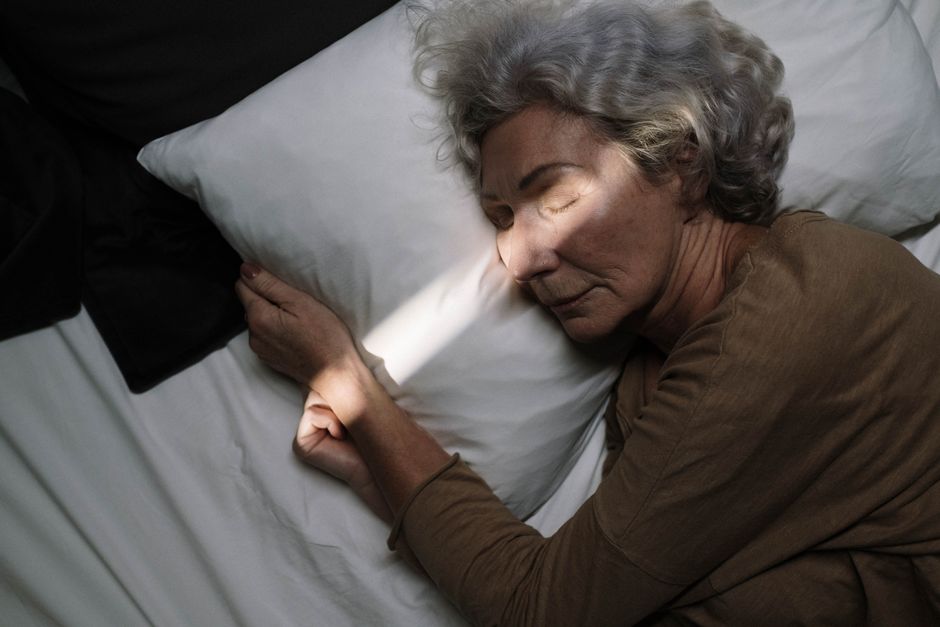
You wake up and your right arm feels dead. Heavy. Like it belongs to someone else. You shake it out and the pins and needles start. This is paresthesia — the medical term for that falling asleep feeling. Most of the time it is harmless. But when it keeps happening in just one arm, there may be specific reasons worth understanding.
Your right arm falls asleep when something presses on the nerves that run from your neck down through your shoulder and into your hand. The most common cause is simple pressure from how you sleep or sit. But sometimes the issue is deeper — a compressed nerve in your neck or a circulation problem. The key is knowing when it is normal and when it signals something that needs attention.
What Actually Happens When Your Arm Falls Asleep?
The sensation of an arm falling asleep is not about blood flow stopping. That is a common myth. What actually happens is nerve compression. Your nerves are like electrical cables. When something presses on them, the signal gets disrupted.
This disruption causes tingling, numbness, and that heavy dead feeling. When you move and the pressure releases, the nerves start firing again all at once. That is the pins and needles sensation. It usually fades within a few minutes as normal signaling returns.
Research published in the journal Muscle & Nerve explains that temporary nerve compression from body position is the most common cause. Your body is designed to shift positions during sleep to prevent prolonged pressure. But if you sleep deeply or in one position for hours, it can happen.
The medical term for this is temporary nerve entrapment. It is almost always harmless when it resolves quickly after changing position. The concern starts when it happens frequently, lasts longer than a few minutes, or comes with other symptoms.
What Are the Most Common Causes of Right Arm Numbness?
Sleeping position is the number one cause. If you sleep on your right side with your arm under your head or body, you are compressing the nerves in your armpit or elbow. This is called Saturday night palsy when it affects the radial nerve, though it can happen any night of the week.
Sitting position matters just as much. Leaning on your right elbow while working at a desk or driving for long periods puts steady pressure on the ulnar nerve. That nerve runs through a groove at your elbow — the funny bone area. Prolonged pressure there causes numbness in your ring and pinky fingers specifically.
Another common cause is carpal tunnel syndrome. This happens when the median nerve in your wrist gets compressed. It typically affects your thumb, index, and middle fingers. If your right arm falls asleep while you are typing or holding a phone, carpal tunnel is worth considering.
Less common but still frequent is cervical radiculopathy. This is a pinched nerve in your neck. The nerves that control your arm exit your spine between the vertebrae in your neck. If a disc bulges or a bone spur forms, it can press on one of those nerves and cause numbness down your arm. The right side specifically would suggest the issue is on the right side of your neck.
| Cause | Location of Numbness | Common Trigger |
|---|---|---|
| Sleeping on arm | Whole arm or forearm | Waking up with dead arm |
| Ulnar nerve entrapment | Ring and pinky fingers | Leaning on elbow |
| Carpal tunnel syndrome | Thumb, index, middle fingers | Repetitive hand use |
| Cervical radiculopathy | Arm with neck pain | Neck movement or strain |
When Should You Worry About Right Arm Numbness?
Most arm numbness is not an emergency. But there are clear signs that mean you need medical attention right away. The American Stroke Association lists sudden numbness on one side of the body as a warning sign for stroke. If your right arm goes numb suddenly and you also have facial drooping, trouble speaking, or confusion, call 911 immediately.
Other warning signs include numbness that spreads, gets worse over hours, or comes with weakness. If you cannot grip a cup or lift your arm against gravity, that is motor weakness. That points to a nerve problem beyond simple compression.
You should also see a doctor if the numbness lasts more than a few hours after changing position. Temporary compression resolves within minutes. Persistent numbness suggests ongoing compression or nerve damage.
The Cleveland Clinic advises that numbness following a recent injury to your neck, shoulder, or arm also needs evaluation. A fall or car accident can cause nerve damage that does not show up right away.





What Medical Conditions Can Cause Right Arm Falling Asleep?
Several conditions can cause repeated arm numbness beyond positional pressure. Peripheral neuropathy is one. This is damage to the nerves outside your brain and spinal cord. Diabetes is the most common cause. The CDC reports that about half of people with diabetes develop some form of neuropathy. It typically affects both hands and feet, but can start in one arm.
Thyroid disorders can also cause nerve symptoms. Hypothyroidism — an underactive thyroid — leads to fluid retention that can compress nerves. Some people report tingling in their hands and arms before other thyroid symptoms appear.
Vitamin B12 deficiency is another cause that is often overlooked. B12 is essential for nerve health. Low levels can cause numbness, tingling, and balance problems. This is more common in older adults, vegans, and people with digestive conditions that affect nutrient absorption.
Autoimmune conditions like multiple sclerosis can cause numbness in one arm. MS damages the protective coating around nerves. This causes symptoms that come and go. Numbness from MS is usually not positional — it happens without pressure and may last for days or weeks.
There is also thoracic outlet syndrome. This is compression of nerves or blood vessels between your collarbone and first rib. It is more common in people who do overhead activities like swimming, painting, or construction work. The numbness typically affects the whole arm and can come with hand swelling or color changes.
Does Why Is My Right Arm Falling Asleep Mean Something Serious?
In most cases no. But the pattern matters. If your right arm falls asleep only at night or after sitting in one position, it is almost certainly positional. If it happens during normal activity without pressure, that is more concerning.
Heart attack symptoms can include arm pain or numbness, but this is almost always the left arm. The right arm is rarely involved. If you have chest pain, shortness of breath, or nausea along with right arm numbness, seek emergency care. But isolated right arm numbness is not a typical heart attack sign.
Stroke is the serious concern that people worry about most. The FAST acronym helps: Face drooping, Arm weakness, Speech difficulty, Time to call 911. If your right arm numbness comes with any of those other signs, it is a stroke until proven otherwise. Without those signs, it is almost certainly not a stroke.
Research in the journal Stroke found that isolated arm numbness without other symptoms is rarely caused by stroke. Strokes that affect only sensation are possible but uncommon. The vast majority of stroke-related numbness includes weakness or coordination problems.
- Numbness only at night or after pressure — likely positional
- Numbness with neck pain — possible pinched nerve in neck
- Numbness with hand weakness — possible carpal tunnel or nerve entrapment
- Numbness with speech problems or facial drooping — emergency, call 911
- Numbness that moves around your body — possible systemic condition
What Can You Do to Stop Your Right Arm From Falling Asleep?
Start with your sleep position. If you sleep on your back, your arms are free. If you sleep on your side, keep your arm in front of your body, not under it. A body pillow can help keep you in position without compressing your arm.
Check your workstation. Your elbow should be at a 90-degree angle when typing. Your wrist should be straight, not bent up or down. A gel wrist rest can help keep your wrist in neutral position. Do not lean on your elbows while working.
Stretching helps prevent nerve compression. Neck stretches that gently tilt your head to each side can relieve pressure on the nerves leaving your spine. Shoulder rolls open up space in your thoracic outlet. Wrist flexor stretches help with carpal tunnel symptoms.
If you have diabetes, keeping your blood sugar under control is the most effective way to prevent neuropathy. The American Diabetes Association recommends keeping A1C below 7% to reduce nerve damage risk. If you suspect B12 deficiency, a simple blood test can confirm it. Supplementation is effective if levels are low.
For persistent symptoms, a doctor may recommend nerve conduction studies. These tests measure how fast electrical signals travel through your nerves. They can pinpoint exactly where compression is happening. This is the gold standard for diagnosing carpal tunnel syndrome and ulnar nerve entrapment.
Frequently Asked Questions
Why does my right arm fall asleep every night?
Most likely your sleep position is compressing the nerves in your arm or shoulder. Sleeping on your right side with your arm under your body is the most common cause.
Can anxiety cause my right arm to fall asleep?
Anxiety can cause hyperventilation and muscle tension that leads to tingling in the arms. This is usually temporary and affects both arms more often than just one.
How long should arm numbness last before seeing a doctor?
See a doctor if numbness lasts more than a few hours after changing position or if it happens frequently without an obvious cause. Persistent numbness needs evaluation.
Is right arm numbness a sign of a heart attack?
Heart attacks typically cause left arm symptoms. Right arm numbness alone is rarely a heart attack sign unless you also have chest pain, shortness of breath, or nausea.
