

A resting heart rate that stays above 100 beats per minute is called tachycardia. For most adults, a normal resting pulse sits between 60 and 100. If yours is consistently over 100, it is worth paying attention to. This is not always a sign of something dangerous, but it does mean your heart is working harder than expected when you are at rest.
What Does a Resting Heart Rate Over 100 Mean?
Your heart rate is controlled by electrical signals in your heart. When you are sitting still, your heart should not need to beat more than 100 times per minute. A resting rate above this threshold is medically defined as tachycardia.
The American Heart Association states that a normal resting heart rate for adults ranges from 60 to 100 beats per minute. Many factors can push it higher temporarily. But if your pulse is consistently over 100 when you have been sitting for 10 minutes or more, that is a different situation.
Consistent tachycardia can mean your heart is compensating for something. It could be dehydration, stress, or an underlying medical condition. It is not something to panic about, but it is something to understand.
What Causes a Resting Heart Rate Above 100?
Several common causes can keep your pulse elevated. Dehydration is one of the most frequent. When your blood volume drops, your heart has to beat faster to circulate enough blood. Even mild dehydration can raise your heart rate by 5 to 10 beats per minute.
Anxiety and stress also play a major role. Your body releases adrenaline and cortisol during stressful moments. These hormones increase your heart rate. If you are under chronic stress, your resting heart rate may stay elevated for hours or days.
Caffeine and nicotine are stimulants. They directly increase heart rate. A single cup of coffee can raise your pulse by 5 to 10 beats per minute in sensitive individuals. Energy drinks and pre-workout supplements often contain even higher doses of stimulants.
Anemia is another common cause. When your blood has fewer red blood cells, your heart must pump faster to deliver oxygen. Iron deficiency anemia is especially common in women of childbearing age. A simple blood test can check for this.
Thyroid problems, particularly hyperthyroidism, can drive up heart rate. Your thyroid gland controls your metabolism. When it produces too much thyroid hormone, your heart rate speeds up. Other symptoms often include weight loss, heat intolerance, and tremors.
When Should You See a Doctor About a High Pulse?
You should see a doctor if your resting heart rate stays above 100 for more than a few days. This is especially true if you have other symptoms like chest pain, shortness of breath, dizziness, or fainting. These could indicate a heart rhythm disorder or other serious condition.
Research published in the journal Heart found that people with a resting heart rate above 90 beats per minute had a higher risk of heart disease and early death compared to those with rates below 70. This does not mean every person with a high pulse is in danger. But it is a statistical signal worth investigating.
If your heart rate spikes suddenly to over 150 beats per minute and does not come down quickly, that is a medical emergency. Call 911. The same goes if you feel your heart racing and also have chest pressure, severe dizziness, or difficulty breathing.
For most people, a high resting heart rate is not an emergency. But it is a reason to schedule a checkup. Your doctor can run an EKG, check your thyroid, and look for anemia or other causes.




How Is Tachycardia Diagnosed?
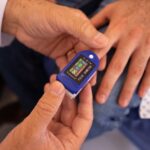
Diagnosis starts with measuring your pulse accurately. Many people check their heart rate incorrectly. Place two fingers on your wrist or neck. Count the beats for 30 seconds and multiply by two. Do this after sitting quietly for at least 10 minutes. Do not check it right after exercise or a stressful event.
Your doctor will likely order an electrocardiogram, or EKG. This records the electrical activity of your heart. It can show if your heart rhythm is normal or if there is an irregularity like atrial fibrillation.
Sometimes a standard EKG does not catch the problem because it only records for a few seconds. Your doctor may recommend a Holter monitor, which you wear for 24 to 48 hours. This gives a more complete picture of your heart rate throughout the day.
Blood tests are also standard. Your doctor will check your thyroid function, iron levels, and electrolyte balance. These tests can identify common underlying causes that are easily treatable.
What Lifestyle Changes Can Help Lower Your Resting Heart Rate?
Hydration is the simplest fix. Drink water throughout the day. If your urine is dark yellow, you are probably dehydrated. Aim for pale yellow urine as a rough guide. Dehydration can raise your heart rate by 10 to 15 beats per minute in some people.
Regular aerobic exercise lowers resting heart rate over time. Activities like brisk walking, cycling, or swimming strengthen your heart muscle. A stronger heart pumps more blood with each beat, so it does not need to beat as often. Studies show that consistent exercise can lower resting heart rate by 5 to 10 beats per minute within a few months.
Reduce caffeine intake, especially in the afternoon and evening. Caffeine has a half-life of about 5 hours. A coffee at 4 PM can still affect your heart rate at 9 PM. Try switching to decaf or herbal tea after noon.
Manage stress actively. Deep breathing exercises can lower heart rate within minutes. The 4-7-8 breathing pattern is one effective technique. Breathe in for 4 seconds, hold for 7 seconds, exhale for 8 seconds. Repeat this a few times and check your pulse.
Sleep quality matters too. Poor sleep increases cortisol and adrenaline. Adults who sleep less than 6 hours per night often have higher resting heart rates. Aim for 7 to 9 hours of quality sleep.
| Factor | Typical Effect on Resting Heart Rate | Time to See Change |
|---|---|---|
| Dehydration (mild) | +5 to 15 bpm | Hours with rehydration |
| Regular aerobic exercise | -5 to 10 bpm | 4 to 8 weeks |
| Caffeine (one cup) | +5 to 10 bpm | 30 minutes, lasts 4-6 hours |
| Chronic stress | +5 to 20 bpm | Days to weeks with stress reduction |
| Anemia (untreated) | +10 to 20 bpm | Weeks with iron treatment |
What Medications and Conditions Can Cause a High Pulse?
Many prescription medications can raise heart rate as a side effect. Common ones include decongestants like pseudoephedrine, asthma medications like albuterol, and some antidepressants. Thyroid hormone replacement, if dosed too high, can also cause tachycardia.
Illegal stimulants like cocaine and methamphetamine dramatically increase heart rate. Even some over-the-counter weight loss supplements contain stimulants that can push your pulse above 100. Always check the label for ingredients like caffeine, yohimbine, or synephrine.
Medical conditions that can cause a high resting heart rate include atrial fibrillation, supraventricular tachycardia, and sinus tachycardia. Atrial fibrillation is the most common heart rhythm disorder. It affects about 2.7 million Americans according to the CDC. It causes a fast, irregular heartbeat.
Pregnancy naturally raises heart rate. During pregnancy, blood volume increases by about 50 percent. The heart has to work harder to circulate this extra blood. A resting heart rate of 80 to 100 is common in the third trimester. This is normal and usually resolves after delivery.
Common Misconceptions About Resting Heart Rate
Many people believe that a high resting heart rate always means they are out of shape. This is not entirely accurate. While fitness does lower heart rate, many fit people still have rates above 100 due to other factors like stress, dehydration, or medication.
Another myth is that a heart rate over 100 always means a heart attack is coming. This is false. Most people with a high resting heart rate do not have heart disease. The cause is often something simple and reversible like dehydration or too much coffee.
Some people think that checking their heart rate once is enough. Your heart rate varies throughout the day. A single reading of 102 after rushing up the stairs is normal. The key is your resting rate when you are calm and still. Check it at the same time each morning for a week to get an accurate baseline.
There is also a belief that a low heart rate is always better. While a resting rate between 60 and 70 is generally healthy, a rate below 50 can be dangerous if it causes symptoms. This is called bradycardia. Do not assume lower is automatically better.
Frequently Asked Questions
Why is my pulse always over 100 beats per minute when I am resting?
Common causes include dehydration, anxiety, caffeine, anemia, or an overactive thyroid. A medical checkup can identify the specific reason.
Can dehydration cause a high resting heart rate?
Yes, even mild dehydration can raise your heart rate by 5 to 15 beats per minute. Drinking enough water often brings it back down.
Is a resting heart rate of 105 dangerous?
It depends on the cause and how long it lasts. If it is persistent and you have other symptoms like dizziness or chest pain, see a doctor.
How can I lower my resting heart rate quickly?
Deep breathing exercises, drinking water, and lying down can lower it within minutes. Long-term, regular exercise and stress management are most effective.
