
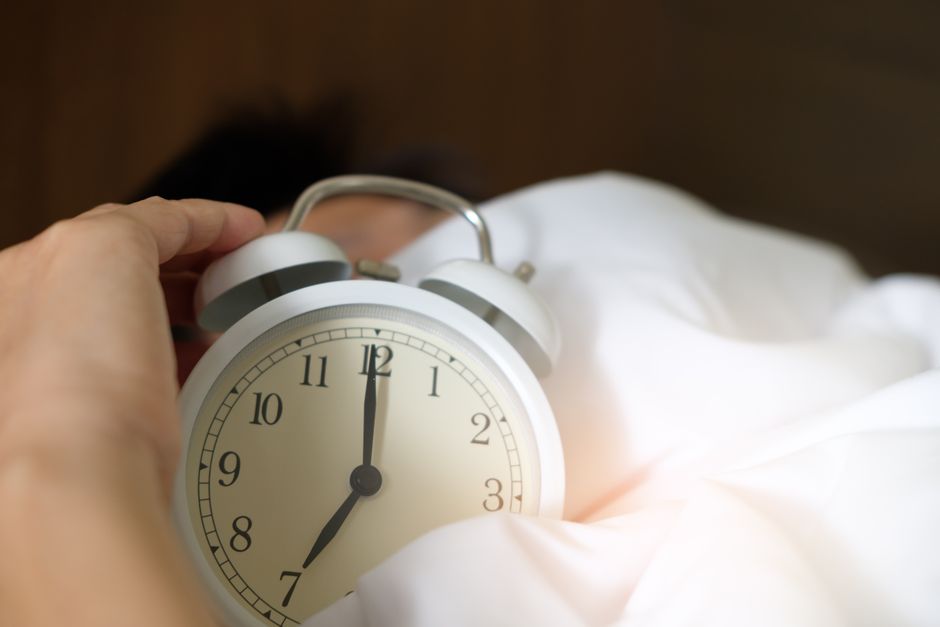
Waking up tired is frustrating and confusing. You slept eight hours but feel like you barely rested. This is not normal, and it is not just in your head. Most cases of morning fatigue have clear physical causes that can be identified and addressed. The most common reasons include sleep debt that accumulates over time, undiagnosed sleep disorders like sleep apnea, poor sleep quality from fragmented sleep cycles, and lifestyle factors that disrupt your body’s natural restoration process.
What Causes Morning Fatigue Even After a Full Night of Sleep?
Sleep duration is only part of the equation. Sleep quality matters just as much. You can spend nine hours in bed but get only four hours of restorative sleep if your sleep is broken or shallow.
The biggest culprit is often sleep debt. This is the gap between the sleep your body needs and the sleep you actually get. Most adults need 7 to 9 hours. If you average 6 hours on weeknights, you accumulate a debt of 5 to 10 hours by Friday. Sleeping in on Saturday does not fully erase that debt. The CDC reports that one in three US adults does not get enough sleep. That means millions of people wake up tired every single day.
Sleep fragmentation is another major cause. This happens when your sleep is interrupted multiple times during the night without you fully waking up. Each interruption resets your sleep cycle. You might not remember these awakenings, but your body does. Research published in the journal Sleep found that people who experienced frequent sleep fragmentation reported worse morning alertness than those who slept fewer hours without interruption.
Does Sleep Apnea Explain Why I Am So Tired When I Wake Up?
Sleep apnea is one of the most common undiagnosed causes of morning fatigue. It affects an estimated 30 million US adults, but only 6 million have been diagnosed. That leaves 24 million people who do not know they have it.
Sleep apnea causes your airway to collapse repeatedly during sleep. Your brain wakes you up just enough to restart breathing. This can happen hundreds of times per night. You do not remember these events, but your body never reaches deep restorative sleep. The American Academy of Sleep Medicine states that untreated sleep apnea significantly increases the risk of daytime sleepiness, high blood pressure, and heart disease.
Common signs include loud snoring, gasping or choking sounds during sleep, waking up with a dry mouth or headache, and feeling exhausted even after eight hours in bed. If you have any of these symptoms, a sleep study is the next step. Home sleep tests are now available and can be prescribed by your doctor.
What Role Does Sleep Inertia Play in Morning Tiredness?
Sleep inertia is the groggy, disoriented feeling you experience immediately after waking. It is a normal biological process that affects everyone to some degree. Your brain does not switch from sleep mode to awake mode instantly. It takes time for your brain regions to synchronize and for your cognitive functions to ramp back up.
Sleep inertia typically lasts 15 to 60 minutes. For some people it can last up to two hours. The severity depends on which sleep stage you wake from. Waking from deep sleep or REM sleep produces stronger inertia than waking from light sleep. Research from the Journal of Sleep Research shows that sleep inertia impairs cognitive performance as much as being awake for 24 hours straight.
You can reduce sleep inertia by timing your waking to align with light sleep stages. Smart alarm clocks and sleep tracking apps can help with this. Exposing yourself to bright light immediately after waking also helps suppress melatonin and shift your brain into alertness mode. A 2019 study in Chronobiology International found that bright light exposure within the first 30 minutes of waking significantly reduced sleep inertia.



How Do Sleep Cycles and Circadian Rhythm Affect Morning Energy?
Your body follows a natural 24-hour rhythm called the circadian cycle. This internal clock regulates when you feel alert and when you feel sleepy. When your circadian rhythm is misaligned with your actual sleep schedule, you wake up tired even if you got enough hours.
Social jet lag is a common example. This happens when your sleep schedule shifts drastically between weekdays and weekends. Staying up two hours later on Friday and waking two hours later on Saturday shifts your internal clock. By Monday morning, your body thinks it is still in weekend time. A study in Current Biology found that social jet lag of just one hour was linked to increased fatigue and lower cognitive performance.
Your sleep cycles also matter. Each cycle lasts about 90 minutes and includes light sleep, deep sleep, and REM sleep. Waking up in the middle of a deep sleep phase produces intense grogginess. Waking at the end of a cycle, when you are in light sleep, feels much easier. This is why you sometimes wake up naturally before your alarm feeling refreshed, while other mornings your alarm feels like an attack on your brain.
Here is a simple comparison of how different sleep factors affect morning energy:
| Factor | Effect on Morning Energy | What You Can Do |
|---|---|---|
| Sleep debt | Accumulated lack of sleep reduces restorative sleep | Consistently get 7-9 hours per night |
| Sleep fragmentation | Frequent brief awakenings prevent deep sleep | Address causes like noise, pain, or apnea |
| Circadian misalignment | Internal clock out of sync with schedule | Maintain consistent bedtime and wake time |
| Sleep inertia | Natural grogginess after waking | Wake during light sleep, use bright light |
| Sleep apnea | Breathing interruptions prevent restorative sleep | Get a sleep study if you snore or gasp |
What Lifestyle Factors Are Sabotaging Your Sleep Quality?
Many people overlook how daily habits affect sleep quality. Caffeine is a major one. Its half-life is about five hours. That means if you drink coffee at 4 PM, half the caffeine is still in your system at 9 PM. It does not just make it harder to fall asleep. It makes sleep shallower and more fragmented. The American Academy of Sleep Medicine recommends no caffeine within six hours of bedtime.
Alcohol is another common culprit. Many people believe a nightcap helps them sleep. Alcohol does make you fall asleep faster, but it severely disrupts the second half of the night. It suppresses REM sleep and increases nighttime awakenings. Research from the journal Alcoholism: Clinical and Experimental Research found that alcohol consumed before bed reduced sleep quality by 24 percent.
Light exposure matters too. Blue light from phones, tablets, and computers suppresses melatonin production. Melatonin is the hormone that tells your body it is time to sleep. Using screens within an hour of bedtime can delay your sleep onset and reduce sleep quality. The National Sleep Foundation recommends putting devices away at least 30 minutes before bed.
Here are common lifestyle factors that disrupt sleep and what to do instead:
- Caffeine after 2 PM — Switch to decaf or herbal tea in the afternoon
- Alcohol within 3 hours of bed — Stop drinking at least 3 hours before sleep
- Screen time before bed — Use blue light blocking glasses or avoid screens
- Irregular sleep schedule — Go to bed and wake at the same time daily
- Heavy meals late at night — Finish eating 2-3 hours before bedtime
- Lack of morning light exposure — Get 15 minutes of sunlight within an hour of waking
When Should You See a Doctor About Morning Fatigue?
Occasional morning tiredness after a late night is normal. Persistent fatigue that lasts weeks or months is not. If you consistently wake up tired despite getting 7 to 9 hours of sleep and following good sleep habits, it is time to see a doctor.
Several medical conditions can cause chronic fatigue. Iron deficiency anemia is common, especially in women. A simple blood test can check your ferritin levels. Thyroid disorders, both hypothyroidism and hyperthyroidism, can disrupt sleep and energy. Diabetes, chronic pain conditions, and depression all have fatigue as a primary symptom. The American Academy of Family Physicians states that fatigue is one of the most common reasons people visit their doctor.
You should also see a doctor if you have loud snoring, gasping during sleep, morning headaches, or excessive daytime sleepiness that makes it hard to stay awake while driving or working. These are signs of sleep apnea, which requires medical diagnosis and treatment. CPAP machines, oral appliances, and lifestyle changes can effectively treat sleep apnea and restore your morning energy.
Do not ignore the problem. Chronic sleep deprivation is linked to higher risks of heart disease, stroke, obesity, and depression. Getting to the root cause of your morning fatigue is one of the best things you can do for your long-term health.
Frequently Asked Questions
Why do I wake up tired after 8 hours of sleep?
You may have poor sleep quality due to sleep fragmentation, sleep apnea, or accumulated sleep debt. It is not just about hours in bed but about how much restorative sleep you actually get.
Can sleep apnea cause morning fatigue?
Yes, sleep apnea is one of the most common undiagnosed causes of morning fatigue. It causes repeated breathing interruptions that prevent deep restorative sleep.
How long does sleep inertia last after waking up?
Sleep inertia typically lasts 15 to 60 minutes but can last up to two hours for some people. It is strongest when you wake from deep sleep or REM sleep.
What is the best way to wake up feeling refreshed?
Maintain a consistent sleep schedule, wake at the end of a sleep cycle, and expose yourself to bright light immediately after waking. Avoid caffeine and alcohol before bed.
