
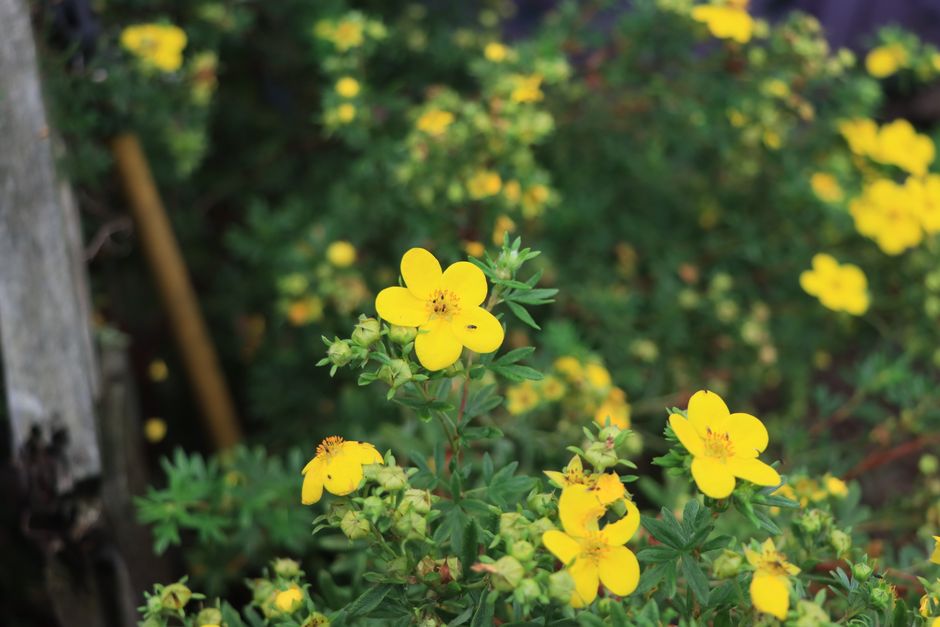
A potentilla shrub that is dying usually has a problem below ground, not above it. The most common causes are root rot from soggy soil, drought stress from fast-draining ground, and a handful of pests and diseases that attack the stems and leaves. Potentilla is a tough plant, so when one starts to fail, the soil and the roots almost always tell the story first.
If your potentilla is wilting, browning, or dropping leaves, the fastest way to a real answer is to check the soil moisture at the root zone and look at the base of the plant. Those two checks narrow down most of the likely causes within a few minutes.
Why Is My Potentilla Shrub Dying?
Potentilla (shrubby cinquefoil) is a cold-hardy flowering shrub that tolerates poor soil, wind, and drought better than most ornamentals. That toughness is exactly why a declining potentilla is a signal worth reading carefully. When a plant that normally shrugs off hard conditions starts to fail, something has pushed it past its limits.
The single biggest killer is water — either too much or too little. Potentilla hates wet feet. It evolved in dry, rocky, well-drained ground, and its roots need oxygen. When soil stays saturated, roots suffocate and rot. On the other end, a shrub in sandy soil or against a hot wall can dry out faster than its roots can keep up, especially in the first two years after planting.
Other causes include verticillium wilt, crown and root rots, spider mites, aphids, and physical damage from lawn equipment or winter injury. Each leaves a different fingerprint, which is why observation matters more than guessing.
What Does Root Rot Look Like on a Potentilla?
Root rot shows up as a shrub that wilts even when the soil is wet. That contradiction — drooping leaves in damp ground — is the classic signature. Leaves may yellow, turn brown at the edges, and drop from the bottom up. The whole plant often declines in a matter of weeks rather than days.
To confirm it, dig gently around the base and lift a section of root. Healthy potentilla roots are firm and light-colored. Rotting roots are brown or black, mushy, and they fall apart in your hand. The soil around them usually smells sour or swampy.
Several soil-borne organisms cause this, and without lab testing you cannot tell them apart by eye. What matters for the plant is the same either way: the roots are not getting oxygen, and the damage is often irreversible once the crown is affected. In many cases the honest answer is that the shrub will not recover, and replacing it with better drainage is the practical path forward.
Why Is My Potentilla Wilting in Summer?
Summer wilting usually means drought stress, not disease. Potentilla is drought-tolerant once established, but a newly planted shrub needs consistent moisture for its first season or two while roots spread into surrounding soil. A plant that wilts in the afternoon and recovers by evening is telling you it is dry, not dying.
Watch the pattern. If leaves droop in midday heat and perk up overnight, the plant is managing water stress. If they stay limp through the night and into the next morning, the problem is more serious and may be root damage rather than simple thirst.
Heat reflected off pavement, walls, or rock mulch can push a potentilla past its tolerance. So can competition from tree roots or grass. A shrub ringed by lawn that gets watered lightly and often may actually be getting less water at depth than one watered deeply and less often.





What Pests and Diseases Attack Potentilla?
Potentilla is not heavily troubled by pests, but a few problems recur. Spider mites are the most common. They thrive in hot, dry conditions and cause stippled, dusty-looking leaves that eventually turn bronze or yellow. You can often see fine webbing on the undersides of leaves.
Aphids cluster on new growth and leave sticky honeydew. They rarely kill a shrub on their own but can weaken it and attract ants. Both mites and aphids tend to hit plants already stressed by drought or poor soil.
Verticillium wilt is a soil fungus that clogs the plant’s water-conducting tissue. It causes sudden wilting on one side of the shrub while the other side stays green — an uneven pattern that is a useful clue. There is no cure for verticillium wilt once it takes hold. The fungus can persist in soil for years, which is why replanting the same species in the same spot often fails.
Powdery mildew can appear as a white coating on leaves in humid, crowded conditions. It is usually cosmetic rather than fatal, but heavy infections stress the plant.
How Do I Tell Overwatering From Underwatering?
The two look similar above ground and opposite below ground. This is the most common mix-up, and getting it wrong can kill a shrub that was only mildly stressed.
- Overwatered: soil stays wet, leaves yellow and droop, roots are dark and soft, base of plant may feel spongy
- Underwatered: soil is dry several inches down, leaves curl or crisp at the edges, roots are pale and firm
The decisive test is your finger or a trowel. Push into the soil a few inches near the root zone. If it is soggy, stop watering and improve drainage. If it is bone dry, water deeply and check whether the soil is repelling water — some dry soils become hydrophobic and shed water instead of absorbing it.
Here is a detail many gardeners miss: a plant can be overwatered and underwatered at the same time. If soil is compacted or layered, water may pool near the surface while the deeper roots stay dry. That combination produces wilt that looks like thirst but is actually a drainage problem.
Does Soil Type Cause Potentilla Decline?
Soil type is often the root of the problem, literally. Potentilla wants well-drained soil and tolerates lean, rocky ground. Heavy clay is its enemy. Clay holds water, drains slowly, and compresses around roots, cutting off the oxygen they need.
If your potentilla sits in clay, the fix is rarely a fertilizer or a spray. It is improving drainage — amending the planting area, planting on a slight mound, or choosing a different spot. Adding organic matter helps clay over time, but a shrub already in decline from waterlogged roots may not last long enough to benefit.
At the other extreme, very sandy soil drains so fast that water and nutrients wash past the roots. Potentilla handles this better than most shrubs, but young plants still need help establishing.
Can a Dying Potentilla Be Saved?
Sometimes, and it depends on how far the damage has gone. If the decline is from drought, correcting the watering usually brings the plant back within a few weeks. If it is from root rot or verticillium wilt, recovery is unlikely once the crown is affected.
Start by cutting back dead or diseased stems to healthy wood. This reduces the load on a struggling root system and lets you see what is still alive. Check the soil moisture and fix the underlying cause — drainage, watering, or both. Hold off on fertilizer, which can push stressed roots harder rather than help them.
Give it a season. If new growth appears from the base the following spring, the plant is recovering. If the whole shrub is brown and brittle with no green under the bark, it is gone, and the useful step is to correct the site before planting a replacement.
How Do I Prevent Potentilla From Dying?
Prevention comes down to matching the plant to the site. Potentilla wants full sun and well-drained soil. Get those two right and most of the serious problems never start.
- Plant in soil that drains freely, or mound it slightly if your ground holds water
- Water deeply and less often rather than lightly and frequently
- Avoid planting where a previous potentilla died of wilt
- Keep lawn equipment and string trimmers away from the base
- Check for mites during hot, dry spells
One clarification worth knowing: potentilla is generally deer-resistant and drought-tolerant, but those traits apply to established plants. A young shrub in its first year is far more vulnerable and needs more attention than the mature plant it will become.
Frequently Asked Questions
Why is my potentilla turning brown and dying?
Browning usually points to root rot from wet soil or drought stress from dry soil, depending on which end of the moisture range your plant is on. Check the soil a few inches down and inspect the roots to tell which one you are dealing with.
Can a dying potentilla be revived?
It can recover if the cause is drought or temporary stress, often within a few weeks of corrected watering. Once root rot or verticillium wilt has reached the crown, recovery is unlikely and replacement is usually the practical answer.
Does potentilla need full sun?
Yes, potentilla performs best in full sun and well-drained soil. Shade and soggy ground both weaken the shrub and make it more prone to rot and disease.
What is the most common reason potentilla shrubs die?
Poor drainage and root rot are the most common causes. Potentilla tolerates drought far better than it tolerates wet roots, so waterlogged soil is the single most damaging condition for this shrub.
