
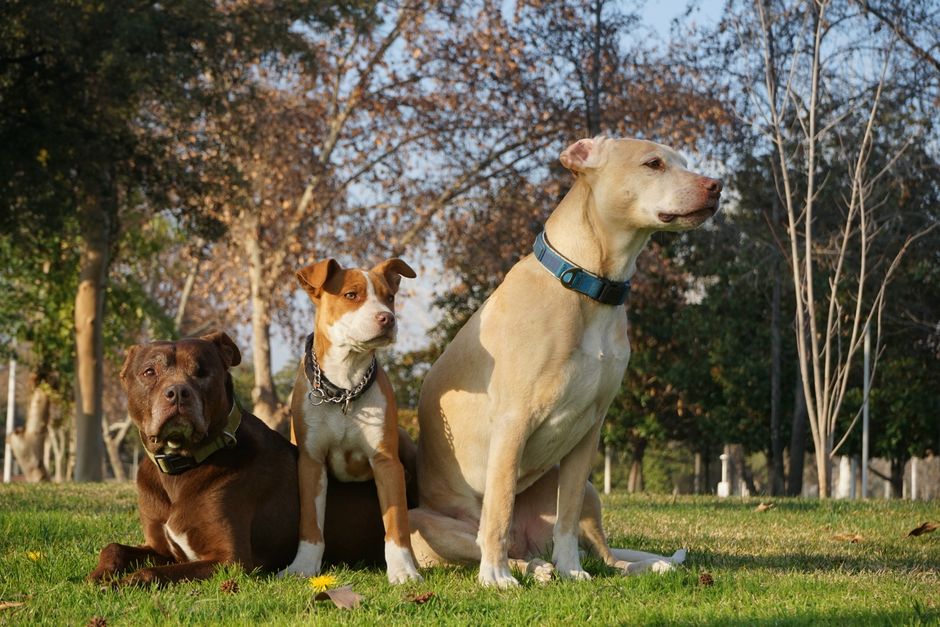
Pitbulls drool more than many other breeds, but there is a clear line between normal slobber and a reason to call your vet. Normal drooling in Pitbulls comes from their loose lips, breed anatomy, and everyday triggers like food, excitement, or heat. Excessive, sudden, or foul-smelling drooling can signal a medical problem such as dental disease, an upset stomach, or something stuck in the mouth. Knowing the difference between a wet chin and a warning sign helps you decide when to watch and when to act.
Why Is My Pitbull Drooling So Much Causes Explained
Drooling, medically called ptyalism or hypersalivation, happens when a dog produces more saliva than it can swallow. Pitbulls have large jaw muscles and somewhat loose facial skin, which means saliva pools in their lips and drips out more easily than in breeds with tight mouths. But the amount of drool a Pitbull produces is not fixed. It changes with their emotional state, their health, and even the temperature outside.
Normal drooling is usually triggered by something specific. Food, treats, or the sight of you preparing dinner are common triggers. Excitement, like when you grab the leash for a walk, also causes a burst of drool. These are normal responses controlled by the nervous system, and they stop once the trigger passes.
Abnormal drooling is different. It is excessive, sudden, or persistent. It may come with other signs like pawing at the mouth, bad breath, vomiting, or a change in appetite. When drooling shifts from a reaction to a symptom, the cause is often medical.
What Causes Sudden Excessive Drooling in Pitbulls?
Sudden onset drooling is a red flag. When a normally dry-mouthed dog starts dripping saliva for no obvious reason, something changed physically. The most common causes fall into a few clear categories: oral problems, gastrointestinal upset, foreign objects, toxins, and heat.
Oral problems are the most frequent culprit. Dental disease, a cracked tooth, an oral infection, or a sore in the mouth all cause drooling. The pain makes the dog salivate more, and swallowing becomes uncomfortable. If the drool has a bad odor or a hint of blood, dental disease or an oral injury is likely.
Gastrointestinal issues also trigger drooling. Nausea is a powerful stimulus for saliva production. A Pitbull with an upset stomach, acid reflux, or a dietary indiscretion like eating something spoiled will often drool excessively right before they vomit. If the drooling comes with lip licking, swallowing repeatedly, or retching, nausea is probably the cause.
Something stuck in the mouth is another common cause. A piece of stick, bone fragment, or toy material can lodge between the teeth, on the roof of the mouth, or along the gumline. The dog drools because the object irritates the tissues and makes swallowing difficult. Check the mouth gently if your Pitbull will allow it, but do not force it if they resist.
Heat and Excitement: Normal Triggers That Look Alarming
Heat causes drooling through a simple mechanism. Dogs do not sweat like humans. They cool themselves primarily by panting, which evaporates moisture from the tongue and respiratory tract. Panting increases saliva production, and the loose lips of a Pitbull let that saliva escape.
This means a Pitbull that has been running, playing, or lying in the sun will drool more than one resting in a cool room. The drool should decrease as the dog cools down and breathing returns to normal. If the drooling continues after the dog has rested in a cool place, or if it comes with heavy panting, weakness, or a bright red tongue, heat exhaustion is a real risk and requires immediate veterinary attention.
Excitement works through the same nervous system pathways. The anticipation of a walk, a car ride, or a favorite person triggers the salivary glands. This is a conditioned response. The dog learned that these events lead to good things, and their body prepares accordingly. This type of drooling is harmless and typically stops within minutes of the trigger ending.


When Drooling Signals a Medical Emergency
Some causes of drooling require urgent care. Bloat, or gastric dilatation-volvulus (GDV), is a life-threatening condition that occurs when the stomach fills with gas and twists on itself. Large, deep-chested breeds like Pitbulls are at higher risk. Excessive drooling, restlessness, a swollen abdomen, and unproductive retching are classic signs. This is an emergency. Do not wait to see if it passes.
Toxin exposure is another emergency cause of drooling. Many common substances are toxic to dogs, and drooling is often one of the first signs. This includes certain plants, human medications, chocolate, xylitol, and household chemicals. If you suspect your Pitbull ate something toxic, call your veterinarian or a pet poison control line immediately. Do not induce vomiting unless a professional tells you to.
Seizures can also present as drooling. Some seizures cause excessive salivation before, during, or after the event. If the drooling comes with muscle twitching, loss of consciousness, or confusion afterward, seek veterinary care.
Finally, difficulty swallowing from a neurological issue or a throat problem can cause drool to pool and spill. If your Pitbull is also coughing, gagging, or struggling to eat or drink, a veterinary exam is needed to rule out serious conditions.
Dental Disease: The Most Overlooked Cause
Dental disease is the single most common medical cause of excessive drooling in dogs. By the time a dog is three years old, most have some degree of dental disease. It starts with plaque, hardens into tartar, and leads to inflammation of the gums, infection, and tooth loss.
The connection to drooling is direct. Inflamed gums produce more fluid. Infected tooth roots cause pain that stimulates saliva. The bacteria in the mouth produce foul-smelling compounds, which is why dental disease drool often smells bad. If your Pitbull’s drool has an odor, or if they are chewing on one side, dropping food, or reluctant to eat hard kibble, dental disease is a strong possibility.
Treatment requires a professional dental cleaning under anesthesia. At-home brushing and dental chews can help prevent the problem, but they cannot reverse established disease. If you suspect dental problems, schedule a veterinary exam. Untreated dental disease does not resolve on its own and can lead to systemic infections affecting the heart, kidneys, and liver.
Breed-Specific Factors: Why Pitbulls Drool More Than Other Breeds
Pitbull is a term that covers several breeds, including the American Pit Bull Terrier, American Staffordshire Terrier, and Staffordshire Bull Terrier. These breeds share physical traits that affect drooling. They have broad heads, strong jaws, and moderately loose lips compared to breeds like Greyhounds or Border Collies.
This anatomy means saliva has more surface area to collect on and more space to escape. A Pitbull with a slightly loose lip will drool more than a tight-lipped breed even when producing the same amount of saliva. This is normal. It is not a health problem. It is simply the physical result of their facial structure.
Some individual Pitbulls have looser lips than others. A dog with very pendulous lips will drool more than one with tighter facial skin. This variation is normal within the breed. Knowing your dog’s baseline is important. If your Pitbull always drooled a little when excited, that is their normal. If they suddenly start drooling heavily without a trigger, that is a change worth investigating.
How to Tell If Your Pitbull’s Drooling Is Normal
Ask yourself three questions when you notice drooling. First, is there a trigger? Food, exercise, heat, or excitement all explain normal drooling. Second, does the drooling stop when the trigger ends? Normal drooling resolves within minutes. Third, are there other symptoms? Vomiting, lethargy, bad breath, pawing at the mouth, or changes in appetite point to a medical cause.
If you answered yes to a trigger, yes to the drooling stopping, and no to other symptoms, the drooling is almost certainly normal. Keep an eye on it, but there is no cause for concern.
If there is no clear trigger, the drooling persists, or other symptoms are present, a veterinary visit is warranted. Take note of when the drooling started, how much the dog is producing, and any other behavioral changes. This information helps your vet narrow down the cause quickly.
What to Do While Waiting for the Vet
If you have decided your Pitbull needs veterinary care, there are a few things you can do safely while waiting. Do not give any medication without veterinary approval. Many human drugs, including common pain relievers, are toxic to dogs.
Check the mouth gently if your dog allows it. Look for obvious foreign objects, broken teeth, or swelling. Do not stick your fingers deep into the mouth of a painful dog. A dog in pain may bite reflexively, even if they are normally gentle.
Keep your Pitbull cool and calm. Offer small amounts of water to prevent dehydration from excessive saliva loss. Do not force them to drink if they are not interested. Do not offer food. If the cause is gastrointestinal, food can make it worse. If the cause is a foreign object, food can push it deeper.
Frequently Asked Questions
Why is my Pitbull suddenly drooling a lot?
Sudden heavy drooling usually means nausea, dental pain, a foreign object in the mouth, or toxin exposure. If the drooling has no clear trigger and does not stop, contact your veterinarian.
Do Pitbulls drool more than other dogs?
Yes, Pitbulls drool somewhat more than tight-lipped breeds because of their loose facial skin and large jaw muscles. This is normal, but a sudden increase from their usual amount is not.
Can heat cause my Pitbull to drool excessively?
Yes, heat increases drooling because dogs pant to cool down, which produces more saliva. If drooling continues after cooling off or comes with weakness, seek emergency care.
Is drooling a sign of bloat in Pitbulls?
Yes, excessive drooling along with restlessness, a swollen belly, and unproductive retching are signs of bloat, a life-threatening emergency. Go to an emergency vet immediately.
