
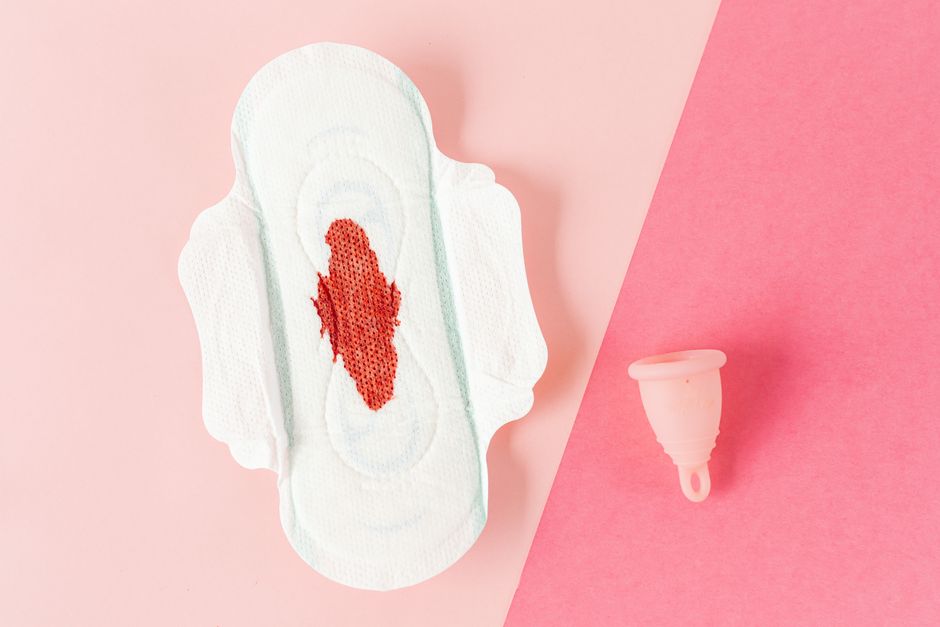
If you need to change your pad or tampon every hour, pass clots larger than a quarter, or bleed for more than seven days, your periods may be unusually heavy. This condition, called menorrhagia, affects many women at some point in their lives. Heavy bleeding can be caused by hormone imbalances, uterine fibroids, polyps, or other medical conditions. Treatment depends on the cause and ranges from medication to surgery.
Why Is My Period Super Heavy? Causes And Treatments
Heavy menstrual bleeding means your period is heavier or longer than normal. The medical term is menorrhagia. It can disrupt your daily life and sometimes signals an underlying health problem. Common causes include hormonal shifts, growths in the uterus, and bleeding disorders. Treatments target the root cause — hormonal birth control for hormone imbalances, surgery for fibroids, or medication to reduce bleeding. The right approach depends on your age, health, and whether you plan to have children.
Understanding why your period is heavy is the first step. Each cause has specific treatment options. Many cases can be managed effectively without major procedures.
What Causes Heavy Periods?
Hormonal imbalances are the most common cause. Your menstrual cycle depends on a careful balance of estrogen and progesterone. When these hormones are off, the uterine lining can build up more than usual, leading to heavy bleeding when it sheds. This often happens during adolescence, perimenopause, or with conditions like polycystic ovary syndrome (PCOS).
Uterine fibroids are noncancerous growths in the uterine wall. They can cause heavy periods, especially if located near the lining. Fibroids are common and become more frequent with age. Polyps, small fleshy growths on the uterine lining, can also trigger heavy bleeding. Adenomyosis — where uterine tissue grows into the muscular wall — often causes painful, heavy periods.
Other causes include:
- Endometriosis, where uterine-like tissue grows outside the uterus
- Pelvic inflammatory disease (PID)
- Thyroid disorders, especially hypothyroidism
- Bleeding disorders such as von Willebrand disease
- Side effects from certain medications, including blood thinners
- Intrauterine devices (IUDs) that contain copper rather than hormones
- Cancer or precancerous changes of the uterus or cervix (less common)
Pregnancy complications like miscarriage or ectopic pregnancy can also cause heavy bleeding. If there is any chance of pregnancy, see a doctor right away.
How Is Heavy Menstrual Bleeding Diagnosed?
Your doctor will start with a detailed history. Expect questions about how many pads or tampons you use per hour or per day, how long your period lasts, and pattern changes. You may be asked to keep a menstrual diary.
Blood tests check for anemia, thyroid function, and clotting disorders. A pelvic exam can detect fibroids or other abnormalities. An ultrasound, either done on the abdomen or internally, provides images of the uterus, ovaries, and endometrium. If needed, a biopsy of the uterine lining can rule out cancer or precancer. In some cases, saline ultrasound (sonohysterography) or hysteroscopy — using a thin camera inserted into the uterus — gives a clearer view of polyps or fibroids.
No single test fits everyone. Your doctor will choose based on your symptoms, age, and risk factors.





What Are the Treatment Options for Heavy Periods?
Treatment depends on the cause, your overall health, and whether you want to become pregnant. Options range from simple medication to surgery.
Medications
Nonsteroidal anti-inflammatory drugs (NSAIDs) like ibuprofen can reduce bleeding and cramping when taken around your period. Tranexamic acid is a non-hormonal prescription pill that helps blood clot and reduces heavy flow. Hormonal medications include birth control pills, patches, rings, or injections to regulate cycles and thin the uterine lining. The hormonal IUD (Mirena, Liletta) releases progestin directly into the uterus and often lightens or stops periods over time. Gonadotropin-releasing hormone (GnRH) agonists temporarily suppress estrogen and can shrink fibroids, but they are usually short-term options.
Procedures and Surgery
Dilation and curettage (D&C) is a brief procedure to scrape or suction the uterine lining. It provides quick relief but bleeding may return. Endometrial ablation destroys or removes the lining, greatly reducing or stopping periods. This is an option only if you do not want future children. Myomectomy surgically removes fibroids while preserving the uterus. Uterine artery embolization shrinks fibroids by blocking their blood supply. Hysterectomy, removal of the uterus, is the most definitive treatment but is major surgery and ends fertility.
For bleeding disorders, treatment focuses on the underlying condition — such as desmopressin for von Willebrand disease.
No single treatment works for everyone. Discuss risks, benefits, and personal goals with your doctor.
When Should You See a Doctor for Heavy Periods?
Make an appointment if you soak through a pad or tampon every hour for three or more hours in a row, need double protection (pad and tampon) to control flow, pass clots bigger than a quarter, or have periods lasting more than seven days. Other warning signs include bleeding between periods, severe pain, dizziness, shortness of breath, or extreme fatigue. These may signal anemia or another medical problem.
If bleeding is so heavy you feel faint or have chest pain, seek emergency care. Sudden heavy bleeding in early or late pregnancy also needs urgent attention.
Many women with heavy periods never mention it to their doctor. They assume it is normal for them. But heavy bleeding can affect your energy, iron stores, and quality of life. A simple evaluation can often find the cause and offer relief.
Can Heavy Periods Be Prevented?
Prevention depends on the cause. Hormonal imbalances may be managed with birth control or lifestyle changes like weight management. Treating underlying thyroid disease or bleeding disorders can improve symptoms. There is no proven way to prevent fibroids or polyps. Regular checkups help catch problems early. If you have heavy periods, focusing on iron-rich foods or supplements can prevent or correct anemia. But preventing the heavy flow itself may require medical treatment rather than lifestyle alone.
Frequently Asked Questions
How much blood is normal during a period?
Normal menstrual blood loss is about 30 to 40 milliliters per cycle, roughly two to three tablespoons. Heavy bleeding is defined as more than 80 milliliters, but most women do not measure — signs like soaking a pad every hour are more practical.
Can stress cause heavy periods?
Stress can disrupt hormones and occasionally cause heavier bleeding, but it is not a common direct cause. If you have persistent heavy periods, other causes like fibroids or hormonal imbalance are more likely.
Do heavy periods always require surgery?
No. Many women manage heavy periods effectively with medication or the hormonal IUD. Surgery is considered when medication fails, when fibroids or polyps are the cause, or when bleeding severely affects health and quality of life.
Are heavy periods a sign of cancer?
Most heavy periods are not caused by cancer. Uterine or cervical cancer can cause abnormal bleeding but is rare, especially in younger women. Your doctor can test for cancer if risk factors or symptoms suggest it is possible.
