
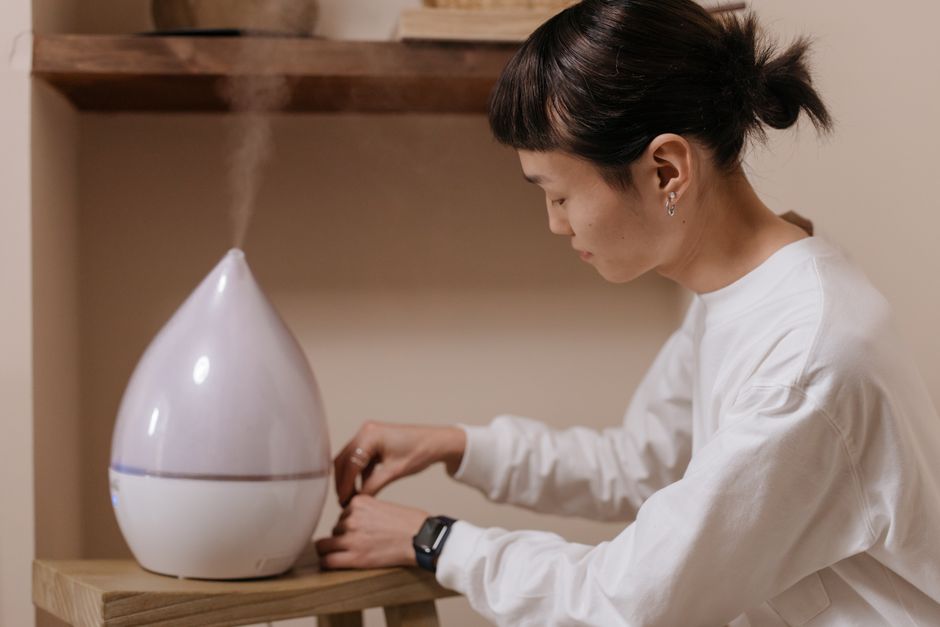
A facial misting device is a handheld tool that sprays a fine, cool mist of water or skincare liquid onto your face. It is used to hydrate the skin, set makeup, soothe irritation, or deliver active ingredients like hyaluronic acid or aloe vera. These devices work by breaking liquid into tiny droplets that land gently on the skin without disturbing your makeup or skincare routine.
What Is A Misting Device Used For In Facial Treatments?
A misting device is primarily used to add moisture to the skin. When you spray a fine mist, the water droplets settle on your face and temporarily increase the water content in the outer layer of your skin. This can make your skin feel softer and look plumper for a short time.
People also use misters to refresh their skin during the day, especially in dry indoor environments or on airplanes. Some models allow you to add serums or toners, which can deliver active ingredients without rubbing or patting. The device itself does not change your skin long-term — it provides immediate, temporary hydration.
Research from the American Academy of Dermatology confirms that topical hydration helps the skin barrier function better. A misting device is simply a convenient way to apply that hydration. It does not replace a moisturizer, but it can complement your routine.
Does Misting Actually Hydrate Your Skin?
Yes, misting does hydrate your skin, but only for a short time. A study published in the Journal of Cosmetic Dermatology found that applying a fine mist of water increased skin hydration levels for about 15 to 30 minutes. After that, the water evaporates and skin returns to its baseline moisture level.
The key factor is what happens after the water evaporates. If the water contains humectants like glycerin or hyaluronic acid, some of that moisture stays in the skin longer. Plain water alone can actually make dry skin worse over time because evaporation pulls natural oils with it.
Dermatologists recommend using a misting device with ingredients that hold water in the skin. Avoid products with high alcohol content, which can strip the skin. The device itself is neutral — the liquid you fill it with determines the effect.
Can Misting Devices Deliver Active Ingredients?
Some misting devices are designed to work with serums, essences, or toners. These are often called facial misters or skincare sprayers. They break the liquid into particles small enough to penetrate the outer skin layer, but not deep enough to reach the dermis where collagen lives.
Evidence from dermatology research shows that topically applied ingredients like vitamin C, niacinamide, and hyaluronic acid can be effective when applied via mist. The delivery method matters less than the ingredient concentration and formulation. A mist cannot make a weak serum work better.
One advantage of misting is that it avoids the friction of rubbing, which can irritate sensitive skin. People with rosacea or eczema often prefer misting over applying products with their hands. However, the absorption is not necessarily better than using a cotton pad or clean fingers.





What Does Research Show About Misting and Makeup?
Many people use misting devices to set makeup or refresh their look during the day. A small study in the International Journal of Cosmetic Science tested whether misting affected makeup wear time. The results showed that a fine mist applied after makeup helped powders and pigments settle into the skin more naturally, reducing the powdery look.
However, the same study found that misting did not significantly extend how long makeup lasted. If you apply mist too heavily, it can cause makeup to run or slide off. The key is a light, even spray from about 8 to 10 inches away.
Setting sprays sold commercially often contain polymers that form a thin film over makeup. A plain water mist does not have this effect. If you want your makeup to last longer, a dedicated setting spray with film-forming ingredients is more effective than a basic misting device.
What Are the Side Effects or Risks of Misting?
Misting is generally safe for most skin types. The main risk is using the wrong liquid. Tap water can contain minerals and chlorine that irritate sensitive skin. Distilled or filtered water is safer and leaves no residue.
Another risk is over-misting. Applying too much water to the face repeatedly can disrupt the skin barrier. The skin’s outer layer relies on a balance of oil and water. Constant wetting and drying can strip natural oils and lead to dryness or irritation.
People with acne-prone skin should be cautious. Some misting liquids contain oils or fragrances that can clog pores. Always check the ingredient list before filling your device. If you have a skin condition, consult a dermatologist before adding misting to your routine.
How to Choose a Misting Device
There are two main types of misting devices: battery-operated and manual. Battery-operated devices produce a consistent, fine mist and often have refillable tanks. Manual spray bottles are cheaper but may produce uneven droplets.
| Feature | Battery-Operated Mister | Manual Spray Bottle |
|---|---|---|
| Mist quality | Very fine, even | Can be uneven |
| Ease of use | One-button operation | Requires pumping |
| Portability | Bulky with batteries | Compact and light |
| Cost | $20 to $60 | $5 to $15 |
| Liquid options | Water or thin serums | Water only usually |
If you plan to use serums or toners, a battery-operated device with a refillable tank is better. For plain water or rose water, a manual spray bottle works fine. Look for devices with a lock mechanism to prevent leaks in your bag.
- Choose a device with a fine mist setting for even coverage.
- Avoid devices with metal parts that can rust if you use water.
- Clean the nozzle regularly to prevent bacterial buildup.
- Replace the device if the spray becomes uneven or clogged.
Common Misconceptions About Misting Devices
One widespread myth is that misting devices can replace your moisturizer. This is not true. A mist provides surface hydration that evaporates quickly. Moisturizers contain occlusives like shea butter or petrolatum that seal water in. You still need a moisturizer after misting to lock in hydration.
Another myth is that misting with thermal spring water has special healing properties. While thermal water contains minerals like selenium and silica, research from the Journal of the European Academy of Dermatology shows it is not more effective than distilled water for general hydration. The cooling sensation may feel soothing, but it does not repair damaged skin faster.
Some people believe you must use expensive branded liquids in their device. In reality, any water-based liquid that is safe for your skin works. The device does not care about the brand. What matters is that the liquid is clean and free of clogging particles.
Practical Tips for Using a Misting Device
Use your misting device at the right time in your routine. Apply it after cleansing and before moisturizer. This adds a layer of hydration that your moisturizer can seal in. Do not mist over sunscreen — water can dilute the SPF protection.
Hold the device 8 to 10 inches from your face. Spray in an “X” and “T” pattern for even coverage. Let the mist sit for 10 seconds, then gently pat your face with clean hands. Do not rub, as this can disturb your skin barrier.
If you have oily skin, misting once in the morning and once in the afternoon is enough. Dry skin types can mist more often, but always follow with a moisturizer. Avoid misting right before going outside in cold weather — the water can freeze on your skin and cause windburn.
Frequently Asked Questions
Can I use tap water in a misting device?
It is better to use distilled or filtered water. Tap water contains minerals that can leave residue on your skin and clog the device nozzle.
How often should I mist my face?
Once or twice a day is enough for most people. Over-misting can dry out your skin by stripping natural oils.
Does misting help with acne?
Misting with plain water does not treat acne. Some liquids with salicylic acid or niacinamide may help, but a mist is not as effective as a leave-on treatment.
Can I use a misting device over makeup?
Yes, a light mist can set makeup and reduce a powdery look. Use a fine spray from 8 to 10 inches away to avoid smudging.
