
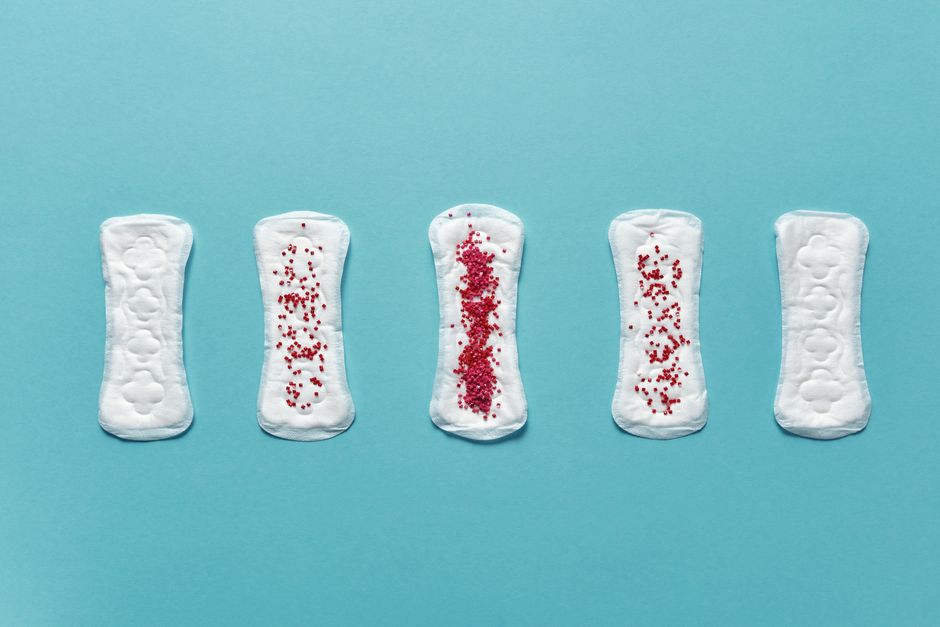
A light first day of your period is usually normal. Many people have a day or two of light spotting or a slow start before their flow becomes heavier. This happens because your uterine lining builds up over your cycle, and on day one your body is just beginning to shed it. Hormone levels, age, stress, and certain medications can all influence how quickly that shedding starts.
Why Is My Period So Light On The First Day
The short answer is that a light first day is often just how your body begins menstruation. Your uterus sheds its lining gradually, not all at once. On day one, the flow may be light enough that you only notice it when you wipe or see a small spot on your underwear.
This is particularly common in your teens or as you approach menopause. Both are times when hormone levels fluctuate more than usual. A light start can also happen if you have a shorter cycle, because the uterine lining has had less time to thicken.
For most people, the flow picks up by day two. If your entire period stays light, that is a different question. But a light first day alone, followed by a normal heavier flow, is not usually a cause for concern.
What Determines How Heavy Your Period Is
Your period flow depends on the thickness of your uterine lining and how well your uterus can contract to shed it. Estrogen builds that lining up during the first half of your cycle. If estrogen levels are lower, the lining is thinner, and your period will be lighter overall.
Progesterone also matters. After ovulation, progesterone helps stabilize the lining. If you do not ovulate regularly, your cycle can produce an inconsistent lining thickness from month to month.
Blood flow itself is another factor. The uterus contracts to push the lining out. Some people have stronger contractions, which can produce a heavier, faster flow. Others have gentler contractions, which means the shedding spreads out over more days. That naturally makes day one lighter.
Hormonal Causes of a Light First Day
Birth control is one of the most common reasons for a lighter period. Hormonal contraceptives like the pill, patch, ring, or hormonal IUD thin the uterine lining. That is part of how they work. If you start a new method, you may notice your first days become lighter or your whole period shortens.
Stress affects your hormones directly. Your brain signals your ovaries through the hypothalamus and pituitary gland. When stress levels rise, that signaling can slow down. The result can be a delayed period, a light period, or a skipped period entirely.
Thyroid disorders can also change your flow. Both an underactive and overactive thyroid can cause irregular or lighter bleeding. If your periods have changed and you have other symptoms like fatigue, weight changes, or temperature sensitivity, thyroid function is worth checking.





Age and Life Stage Factors
Your period naturally changes across your lifetime. In the first few years after your first period, cycles are often irregular because ovulation is not consistent. Light days and skipped months are common during this time.
Perimenopause is another stage where flow changes. This is the transition before menopause, often starting in your mid-to-late 40s. Hormone levels fluctuate unpredictably during this time. Some months you may have a heavy period. Other months may be very light.
Pregnancy is a possibility at any reproductive age. If your period is unusually light and you are sexually active, a pregnancy test can rule this out. Implantation bleeding can sometimes be mistaken for a light period.
Medical Conditions That Cause Light Bleeding
Several medical conditions can make periods lighter. Polycystic ovary syndrome, or PCOS, is one of them. PCOS often means you ovulate infrequently or not at all. Without regular ovulation, the uterine lining does not build up consistently, which leads to light or missed periods.
Asherman’s syndrome is a less common condition. It involves scar tissue forming inside the uterus, often after a dilation and curettage procedure or uterine surgery. This scar tissue can reduce the surface area of the uterine lining, making periods very light or absent.
Premature ovarian insufficiency is another possibility. This happens when the ovaries stop functioning normally before age 40. It can cause light periods, irregular cycles, and symptoms similar to menopause.
If your periods have always been light, that is often just your normal. If they have suddenly become lighter, especially after being regular for years, that change deserves attention.
Medications and Procedures That Affect Flow
Certain medications can lighten your period. Blood thinners usually make bleeding heavier, but some other drugs have the opposite effect. Antidepressants and antipsychotics can affect hormone levels through changes in prolactin, a hormone that influences reproduction.
Emergency contraception can cause a one-time change in your next period. It may come earlier, later, lighter, or heavier than usual. This is not a sign of a problem. Your next cycle usually returns to normal.
Uterine procedures can also change your flow. Endometrial ablation is a procedure that removes or destroys the uterine lining to treat heavy bleeding. After this procedure, periods often become much lighter or stop entirely. This is the intended effect, not a complication.
When a Light Period Needs Medical Attention
A single light period is rarely a reason to worry. But certain patterns deserve a medical evaluation.
- Your periods were normal and have become consistently lighter over several months
- You have missed periods entirely, not just light ones
- You have pelvic pain along with light bleeding
- You are trying to conceive and have irregular or light periods
- You have other symptoms like hair loss, acne, or unexplained weight changes
Your healthcare provider can run basic blood tests to check hormone levels, thyroid function, and other markers. An ultrasound can look at the structure of your uterus and ovaries. These tests can identify or rule out most common causes.
No clinical guidelines currently exist for what constitutes a “normal” light period because normal varies widely between individuals. The key question is always whether this is a change from your own usual pattern.
Can a Light First Day Affect Fertility
A light first day by itself does not affect fertility. What matters more is whether you are ovulating and whether your overall period pattern is regular. Many people with light periods conceive without any difficulty.
The bigger concern is if your entire period is very light and short, like one to two days of spotting. That could indicate that ovulation is not happening regularly. Without ovulation, pregnancy cannot occur. If you are trying to conceive and your periods are consistently light and irregular, that is worth discussing with your doctor.
Tracking your cycle can help. Note the length of your period, how heavy it is, and any symptoms you have. This information helps your doctor understand your pattern and identify any changes over time.
How to Track and Describe Your Flow
Using a period tracking app or a simple calendar can help you notice patterns. Record the first day of bleeding, the number of days your period lasts, and whether the flow is light, moderate, or heavy.
Light flow typically means you only need a panty liner or a light tampon. Moderate flow requires regular pads or tampons. Heavy flow means you need to change your protection every few hours or you pass clots larger than a quarter.
Describing your flow this way helps your healthcare provider understand what you are experiencing. Terms like “light” and “heavy” mean different things to different people. Specific descriptions are more useful for medical evaluation.
Frequently Asked Questions
Why is my period light on the first day but heavy the next?
This is a normal pattern for many people because the uterine lining sheds gradually over several days. The flow often increases as uterine contractions strengthen and more lining is released on day two.
Can stress cause a light first day of my period?
Yes, stress can affect the hormones that control your cycle, which may delay or lighten your flow. If stress is the cause, your period usually returns to normal once your stress levels decrease.
Is it normal to only have light spotting on the first day?
Yes, light spotting on day one is common and usually not a concern if your flow becomes heavier over the next day or two. If spotting is all you ever have, or if this is a sudden change from your normal pattern, check with your doctor.
Does birth control make your first day of period lighter?
Hormonal birth control thins the uterine lining, which often makes the entire period lighter, including the first day. This is an expected effect and not a sign of a problem.
