
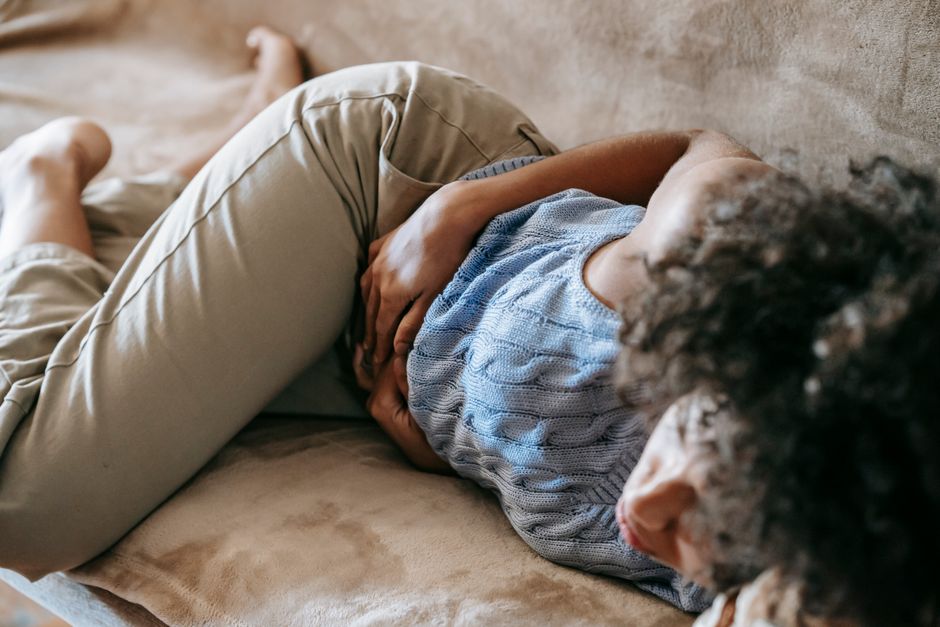
Pain when peeing during your period is common, and it usually has a straightforward explanation. The most frequent cause is simple irritation. Your vaginal tissues are more sensitive during menstruation, and urine passing over them can trigger a stinging or burning sensation. However, sometimes the pain signals an infection that needs treatment. Knowing the difference matters for your health and comfort.
Why Does It Burn When I Pee on My Period?
The burning sensation often comes from the physical environment during your period. Blood changes the natural pH balance of your vagina. This shift can make the delicate skin around your urethra and vaginal opening more easily irritated.
Urine is acidic. When it touches already sensitive or inflamed tissue, it stings. This is especially true if you have been wearing a pad or tampon for a while. The trapped moisture and friction can break down the skin’s natural protective barrier, making the area raw and more reactive to urine.
This type of pain is usually mild and happens right when you pee. It often fades quickly after you finish. If the pain is intense, lasts long after urination, or comes with other symptoms, an infection is more likely.
Could It Be a Urinary Tract Infection (UTI)?
Yes. UTIs are a common cause of painful urination, and they do not pause for your period. In fact, some research suggests that some women may be more prone to UTIs during their menstrual cycle, though the evidence on this is not fully conclusive.
The symptoms of a UTI are distinct. You may feel a strong, persistent urge to urinate even when your bladder is empty. Your urine may look cloudy or have a strong smell. You might notice blood in your urine. The burning during urination from a UTI is often sharper and more intense than simple irritation.
If you suspect a UTI, you need medical attention. A simple urine test can confirm it. UTIs are treated with antibiotics. Untreated, a bladder infection can travel to your kidneys, which is a more serious condition. Do not wait to see if it clears on its own.
What About a Yeast Infection or Bacterial Vaginosis?
These are common vaginal infections that can cause pain during urination, and they can occur at any time in your cycle, including during your period. The pain happens when urine passes over inflamed or infected vaginal tissue.
Yeast infections cause intense itching, thick white discharge that looks like cottage cheese, and redness and swelling of the vulva. The skin becomes so irritated that urinating burns.
Bacterial vaginosis (BV) is different. Its hallmark symptom is a thin, grayish-white discharge with a strong, fishy odor. Itching and burning with urination can also occur with BV.
Neither of these is a UTI. They require different treatments. Yeast infections are treated with antifungal medication. BV is treated with antibiotics. If you are unsure which one you have, a doctor can take a swab to identify the cause. Using the wrong treatment will not help and can make things worse.





Can Period Products Cause the Pain?
Absolutely. The products you use can be the direct source of your discomfort. Tampons, pads, and menstrual cups can all cause irritation in different ways.
Tampons can dry out the vaginal lining, especially if you use a higher absorbency than needed. A dry tampon can cause micro-tears when inserted or removed, making urination painful as urine touches those raw areas. Scented tampons or pads contain chemicals and fragrances that can cause allergic reactions or contact dermatitis.
Pads can cause chafing. The friction of a pad rubbing against your skin, combined with heat and moisture, can create a rash. This is often worst in the area where the pad touches your thighs or the labia. Urine flowing over this rash will sting.
Menstrual cups are made of medical-grade silicone, but some people are sensitive to the material. An improperly inserted cup can press against the urethra, causing discomfort that feels worse when you pee.
If you suspect your product is the issue, try switching. Use unscented, cotton-based products. Change pads more frequently to keep the area dry. If switching products resolves the pain, you have found your culprit.
When Is It Endometriosis or Another Gynecological Condition?
For some women, the pain is not from irritation or an infection. It comes from a deeper gynecological condition. Endometriosis is one such condition. It occurs when tissue similar to the uterine lining grows outside the uterus.
Endometriosis can affect the bladder and the area around the urethra. During your period, this misplaced tissue bleeds and becomes inflamed just like your uterine lining. This can cause severe pain when your bladder is full or when you urinate. The pain is often deep and cramping, not just a surface burn.
Interstitial cystitis, also called painful bladder syndrome, is another condition that can flare during your period. It causes chronic bladder pressure and pelvic pain. Many women with interstitial cystitis find their symptoms worsen right before and during their period.
These conditions are diagnosed by a specialist, usually a gynecologist or urologist. They require a thorough evaluation, which may include imaging or a surgical procedure called a laparoscopy for endometriosis. Pain that happens every period, is severe, and does not respond to simple treatments warrants this level of investigation.
Why Do I Have Pain When Peeing On My Period and Not Other Times?
This is a key question. If the pain only happens during your period, it points to a cycle-specific trigger rather than a constant problem like a chronic UTI.
Hormonal changes are a major factor. During your period, estrogen and progesterone levels drop. These hormones affect the thickness and sensitivity of the urethral lining and the pelvic floor muscles. Lower estrogen can make the tissues more fragile and prone to irritation.
The physical presence of menstrual blood also plays a role. Blood is not sterile. When it leaves the uterus and passes through the vagina, it picks up bacteria. If any of this blood comes into contact with your urethra, it can introduce bacteria that cause irritation or a UTI. This is why some women get a UTI at the end of their period or right after it ends.
Your immune system also shifts slightly during menstruation. This is a natural process, but it can make you slightly more vulnerable to infections like yeast overgrowth or bacterial changes.
What Can I Do to Find Relief at Home?
If the pain is mild and you have ruled out an infection, several home strategies can provide relief.
- Drink more water. Diluting your urine makes it less acidic and less irritating to sensitive tissues. Aim for pale yellow urine as a sign of good hydration.
- Change your period products frequently. Do not leave a tampon in for the maximum time if you are experiencing irritation. Switch to pads temporarily to allow the area to breathe.
- Rinse with warm water. Use a peri bottle or simply rinse the area in the shower after using the bathroom. This washes away urine residue that can continue to burn.
- Wear cotton underwear. Cotton allows air to circulate and reduces moisture buildup. Avoid tight synthetic underwear during your period.
- Avoid scented products. This includes scented soaps, wipes, and sprays. They strip natural oils and can worsen irritation.
These measures address surface irritation. They will not cure an infection. If your symptoms persist for more than a day or two, or if they worsen, stop home treatment and see a healthcare provider.
When Should I See a Doctor?
You should not endure severe pain without medical advice. Some symptoms require prompt attention.
See a doctor if you experience any of the following:
- Fever or chills
- Pain in your lower back or sides, which can signal a kidney infection
- Blood that is clearly visible in your urine, separate from menstrual blood
- Pain that does not improve after you finish your period
- Unusual or foul-smelling vaginal discharge
- Pain so severe it interferes with daily activities
These symptoms suggest an infection or a condition that needs professional diagnosis. A urine test and a physical exam can quickly identify many causes. Do not delay care out of embarrassment. Painful urination is a common medical complaint, and doctors are well equipped to help.
One honest note: home remedies like drinking cranberry juice have mixed evidence for treating active UTIs. Cranberry may help prevent UTIs in some people, but it is not a reliable treatment for an existing infection. Antibiotics are the proven treatment for bacterial UTIs.
Frequently Asked Questions
Can a tampon cause pain when I pee?
Yes. A tampon that is too absorbent can dry the vaginal tissues, and one that is inserted incorrectly can press against the urethra. Both can make urination painful.
Is burning when I pee on my period a sign of pregnancy?
No direct link exists between early pregnancy and painful urination during a period. If you are pregnant, you would not be having a normal period. Painful urination more likely points to infection or irritation.
Why does my pee burn at the end of my period?
This often indicates a UTI that developed during menstruation. Blood can introduce bacteria to the urethra, and symptoms may become noticeable as your period winds down.
Can I treat this pain with over-the-counter medicine?
Over-the-counter pain relievers like ibuprofen can reduce inflammation and discomfort. Products like phenazopyridine (AZO) numb the urinary tract and relieve burning, but they do not treat an underlying infection.
