
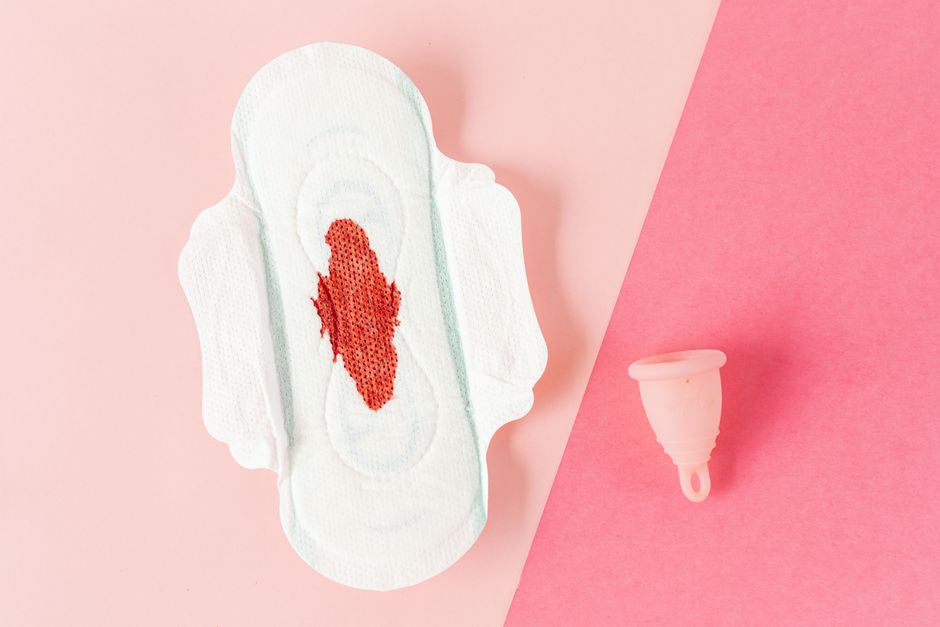
A period that lasts longer than seven days is not normal. The medical term for this is menorrhagia, and it affects roughly one in five people who menstruate. A typical period lasts between four and five days, though anywhere from two to seven days falls within the normal range. If your bleeding consistently extends beyond a week, or if it suddenly starts lasting longer than it used to, something is driving that change. The root causes range from hormonal imbalances to structural issues inside the uterus, and identifying the specific reason matters because the treatment differs completely depending on the cause.
What Counts as a Long Period and When Should You Worry?
Bleeding for more than seven days is the clinical definition of a prolonged period. But duration is only part of the picture. Heavy bleeding is defined separately as soaking through a pad or tampon every hour for several consecutive hours, passing clots larger than a quarter, or needing to double up on protection. Some people have heavy but short periods. Others have light but long ones. Both patterns can signal a problem, and both deserve a medical evaluation.
Seek care promptly if you feel dizzy, lightheaded, short of breath, or fatigued — these can be signs of anemia from blood loss. Bleeding that soaks through protection every hour for two or more hours straight is a medical emergency. Bleeding after menopause is also a separate concern that requires immediate evaluation.
Hormonal Imbalances Are the Most Common Cause
Your menstrual cycle runs on a precise sequence of hormones. Estrogen builds the uterine lining. Ovulation triggers progesterone production. Progesterone stabilizes that lining. When progesterone levels drop at the end of the cycle, the lining sheds. If that sequence is disrupted, the lining can build up thicker than normal, and shedding it takes longer.
Anovulation is the most frequent hormonal culprit. This means you are not releasing an egg, so your body produces little or no progesterone. Without progesterone, the uterine lining keeps growing. When it finally sheds, the bleeding is often heavy and prolonged. Anovulation is common during perimenopause, the years leading up to menopause, and in people with polycystic ovary syndrome (PCOS). It also happens during times of high stress, significant weight changes, or intense athletic training.
Thyroid disorders also affect menstrual bleeding. Both underactive and overactive thyroid conditions can change cycle length and flow. Some research suggests that thyroid dysfunction is present in a notable percentage of people with heavy menstrual bleeding, which is why thyroid testing is a standard part of the workup.
Uterine Fibroids and Polyps Change How the Uterus Bleeds
Fibroids are noncancerous growths in the muscle wall of the uterus. They are extremely common — most people who have them never know. But when fibroids grow near the uterine lining or bulge into the uterine cavity, they can interfere with how the lining sheds. The uterus also has to work harder to contract and expel the lining, which can lead to prolonged and heavy bleeding.
Uterine polyps are small, soft growths on the lining of the uterus. They are usually benign, but they can cause irregular bleeding and prolonged periods. Polyps are more common in people in their 40s and 50s, though they can occur at any age. Both fibroids and polyps are easily detected with an ultrasound or a hysteroscopy, a procedure where a thin camera is inserted into the uterus.
Not all fibroids cause bleeding problems. Location matters more than size. A small fibroid sitting inside the uterine cavity can cause more bleeding than a large one in the outer muscle wall.





Adenomyosis and Endometriosis Affect the Uterine Wall
Adenomyosis occurs when the tissue that normally lines the uterus grows into the muscular wall of the uterus itself. This tissue bleeds during your period, but it is trapped inside the muscle. The result is an enlarged, tender uterus that bleeds heavily and for longer than normal. Adenomyosis is most commonly diagnosed in people in their 40s and 50s, and it often coexists with fibroids.
Endometriosis is a related condition where uterine-like tissue grows outside the uterus. It is most strongly associated with pelvic pain, but it can also contribute to heavy or prolonged bleeding, especially when it affects the ovaries or the tissue around the uterus. Both conditions are diagnosed through imaging or, in some cases, laparoscopic surgery.
Bleeding Disorders and Blood-Thinning Medications
Some people bleed longer because their blood does not clot normally. Von Willebrand disease is the most common inherited bleeding disorder, and research suggests it is significantly underdiagnosed in people with heavy menstrual bleeding. Other clotting factor deficiencies and platelet function disorders can also cause prolonged periods.
Blood-thinning medications have the same effect. Anticoagulants like warfarin, apixaban, and rivaroxaban increase bleeding time. Even low-dose aspirin can prolong menstrual bleeding in some people. If you take any of these medications and develop prolonged periods, talk to your prescribing doctor. Do not stop the medication on your own.
Certain signs point toward a bleeding disorder: bleeding for more than seven days since your first period, a family history of bleeding problems, frequent nosebleeds, easy bruising, or heavy bleeding after dental work or surgery. If these apply to you, mention them to your doctor.
Infections, Pregnancy Complications, and IUDs
Pelvic inflammatory disease (PID) is an infection of the reproductive organs, usually caused by sexually transmitted bacteria. PID can cause irregular bleeding, pelvic pain, and fever. It requires antibiotic treatment, and untreated PID can lead to long-term fertility problems.
Pregnancy complications can also present as prolonged bleeding. A miscarriage, ectopic pregnancy, or retained products of conception can cause bleeding that continues for more than a week. If there is any chance you could be pregnant and you are bleeding heavily or for longer than normal, take a pregnancy test and seek medical evaluation.
The hormonal intrauterine device (Mirena) typically reduces bleeding, but the copper IUD (Paragard) is a different story. The copper IUD is associated with heavier and longer periods, especially in the first several months after insertion. Some people find this improves over time, but for others, the bleeding pattern persists and the IUD needs to be removed.
Cancer and Precancerous Changes of the Uterus
Endometrial hyperplasia is a condition where the uterine lining grows too thick. Some types of hyperplasia carry a risk of progressing to endometrial cancer. Prolonged bleeding is the most common symptom. This is diagnosed by taking a small sample of the uterine lining, a procedure called an endometrial biopsy.
Endometrial cancer is relatively uncommon, but the risk increases with age. It is most often diagnosed in people after menopause, though it can occur in younger people, especially those with obesity, PCOS, or a family history of uterine or colon cancer. Prolonged bleeding is the most frequent early warning sign, which is why persistent bleeding always warrants evaluation rather than waiting to see if it resolves.
How Doctors Diagnose the Root Cause
Your doctor will start with a detailed history. Questions will cover your bleeding pattern, pain, family history, medications, and any other symptoms. A pelvic exam checks for visible abnormalities. A pregnancy test is standard for anyone who could be pregnant.
Blood tests check for anemia, thyroid function, and bleeding disorders. An ultrasound looks for fibroids, polyps, adenomyosis, and ovarian abnormalities. If imaging is inconclusive, a saline infusion sonogram or hysteroscopy provides a clearer view of the uterine cavity. An endometrial biopsy may be recommended based on your age, risk factors, and ultrasound findings.
The evaluation is stepwise. Most people do not need every test. The goal is to identify the cause with the least invasive approach possible.
Treatment Depends Entirely on the Cause
Hormonal treatments are the first line for many causes. Combined hormonal birth control pills, the hormonal IUD, and progesterone-only medications all reduce bleeding by thinning the uterine lining. These are effective for hormonal imbalances, and they often help with fibroids and adenomyosis as well.
Tranexamic acid is a nonhormonal medication taken only during your period. It works by helping your blood clot more effectively and can reduce blood loss significantly. It does not treat the underlying cause, but it can control symptoms.
For fibroids and polyps, surgical removal is often the answer. A myomectomy removes fibroids while preserving the uterus. A polypectomy removes polyps. Both are outpatient procedures in many cases. Endometrial ablation destroys the uterine lining and is an option for people who do not want future pregnancies. Hysterectomy, removal of the uterus, is reserved for cases where other treatments have failed or where cancer is present.
Iron supplementation is important if you have become anemic from blood loss. Anemia from prolonged bleeding is common and easily treated, but it needs to be identified through a blood test.
Frequently Asked Questions
Can stress make my period last longer than 7 days?
Yes. Stress can delay or stop ovulation, which leads to a thicker uterine lining and longer, heavier bleeding when it finally sheds.
Is a 10-day period always a sign of a serious problem?
Not always, but it should always be evaluated. Hormonal imbalances are the most common cause, but structural issues, bleeding disorders, and infections can also produce prolonged bleeding.
How much bleeding is too much during a period?
Soaking through a pad or tampon every hour for several consecutive hours, passing clots larger than a quarter, or bleeding for more than seven days all warrant medical evaluation.
Can changing birth control make my period longer?
Yes. The copper IUD commonly causes longer, heavier periods, and some people experience prolonged bleeding in the first few months after starting or switching hormonal birth control.
