
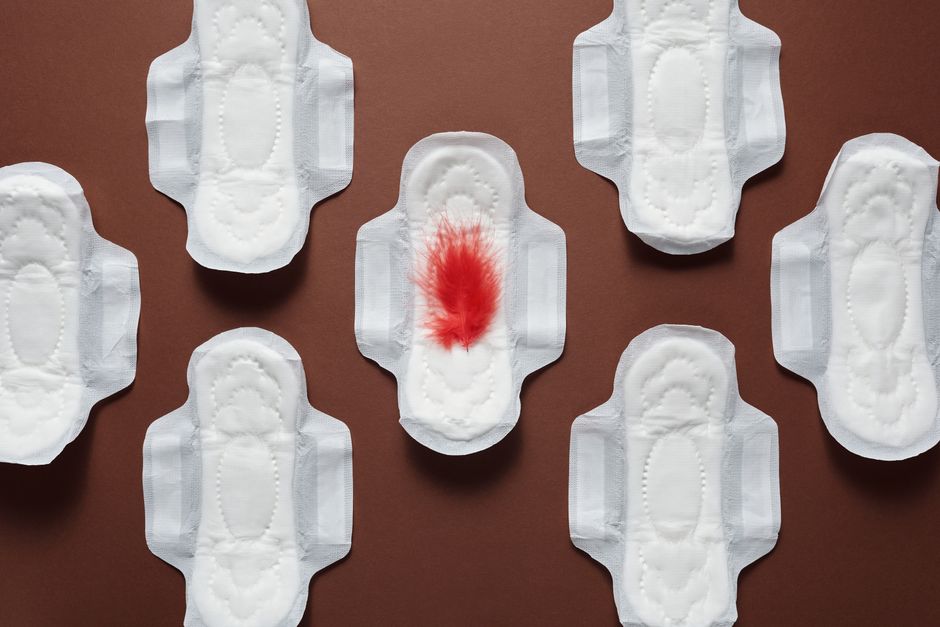
Brown period blood is usually old blood leaving the uterus more slowly than fresh blood does. When blood sits in the uterus or vagina longer before it exits, oxygen exposure turns the red iron in hemoglobin darker — a brown or rust color. This is common and typically normal at the start or end of a period, when flow is light. It only becomes worth a doctor’s attention when it comes with other symptoms or happens outside your normal pattern.
Why Is My Period Blood Brown Whats Actually Normal?
Menstrual blood starts as bright red because it is leaving the body quickly. The color shifts to brown when that same blood moves out slowly and has time to oxidize.
Think of what happens to a sliced apple left on the counter. Oxygen reacts with it and it browns. Blood does something similar. Hemoglobin contains iron, and when iron is exposed to oxygen, it changes color from red toward brown. The longer blood lingers in the reproductive tract, the darker it looks by the time you see it.
So brown blood is not a different kind of blood. It is the same blood, just older by the time it reaches your pad or tampon.
This is why brown blood tends to show up in two predictable places:
- The first day or two of a period, when old blood from the previous cycle is clearing out
- The last day or two, when flow has slowed to a trickle
Many people also notice brown spotting for a day or so before their period officially starts. That is typically the earliest, slowest flow arriving first.
What Causes Brown Period Blood Besides Normal Flow?
Slow flow is the main reason, but several other things can produce brown discharge or brown period blood. Some are harmless. A few are worth checking.
Normal hormonal variation
Cycle length and flow patterns shift naturally with age, stress, weight changes, and hormonal swings. A lighter period means slower flow, which means more brown. This is common and not a sign of a problem on its own.
Birth control
Hormonal contraceptives — pills, patches, rings, implants, and hormonal IUDs — commonly cause breakthrough bleeding or spotting. That spotting is often brown because it is light and slow. This is a well-documented side effect, especially in the first few months of use. If you are concerned, your clinician can tell you whether your specific method is known to cause this.
Pregnancy-related bleeding
Early pregnancy can cause light bleeding or spotting, sometimes brown. This is called implantation bleeding by some, though the evidence on how common it truly is remains limited. Any bleeding during a possible pregnancy should be discussed with a clinician. Brown spotting does not confirm or rule out pregnancy.
Perimenopause
As ovulation becomes less regular in the years before menopause, cycles can change. Periods may become lighter, heavier, closer together, or farther apart. Brown spotting between periods can happen during this transition. Because irregular bleeding in this stage can sometimes signal something else, it is worth mentioning to a doctor.
Infections and other conditions
Certain infections, cervical or uterine polyps, fibroids, and other conditions can cause irregular bleeding or brown discharge. These usually come with other signs — unusual odor, pain, fever, or bleeding between periods. Brown color alone does not point to any one of these. Only a clinician can sort out which, if any, applies to you.
When Should Brown Period Blood Concern You?
Color by itself is rarely the signal that matters. What matters more is timing, amount, and what comes with it.
Talk to a healthcare provider if you notice any of the following:
- Bleeding between periods that is new for you
- Bleeding after sex
- Bleeding after menopause — this always warrants evaluation
- Very heavy flow, such as soaking through a pad or tampon every hour for several hours
- Periods that suddenly become much longer, shorter, or more irregular
- Pain, cramping, fever, or unusual vaginal odor along with the bleeding
- Brown discharge with a positive pregnancy test or possible pregnancy
Bleeding after menopause is the one to take most seriously. Any bleeding after menopause is not normal and should be evaluated, regardless of color or amount.
For everyone else, the question is whether the brown blood fits your usual pattern. If it does, it is generally not a concern. If it is new, persistent, or paired with other symptoms, get it checked.




Brown Blood vs. Other Period Colors
Period blood ranges in color from bright red to dark brown to nearly black. The color mostly reflects how long the blood took to leave the body and how heavy the flow was.
| Color | What it usually means |
|---|---|
| Bright red | Fresh blood, steady or heavy flow |
| Dark red | Blood that has been in the body a bit longer, moderate flow |
| Brown | Older blood, slow or light flow, often start or end of period |
| Dark brown or black | Blood that has had the most time to oxidize, very slow flow |
| Pink or watery | Blood mixed with cervical fluid, often light flow or spotting |
| Gray or greenish with odor | May suggest infection — get this evaluated |
Gray or green discharge with a foul odor is different from brown blood. That combination can point to an infection and should be checked by a clinician.
Does Brown Blood Mean Something Is Wrong With My Hormones?
Not necessarily. Brown blood is most often a flow-speed issue, not a hormone issue.
That said, hormones do influence how heavy and how fast your period flows. When estrogen or progesterone levels shift — from age, stress, weight change, intense exercise, or thyroid problems — the pattern of your period can change too. A lighter or slower period can then show up as more brown blood.
If your cycles have changed in a way that concerns you, a clinician can check hormone levels and thyroid function. There is no single test that explains brown blood on its own. The evaluation looks at your whole cycle pattern, not just the color.
What About Brown Discharge Between Periods?
Brown discharge between periods is spotting, and spotting has its own list of possible causes. It is different from brown blood during a period.
Common reasons for mid-cycle brown spotting include:
- Ovulation spotting, which some people notice around the middle of their cycle
- Hormonal birth control, especially in the first months
- Perimenopause
- Pregnancy
- Infections, polyps, or fibroids
Ovulation spotting is often described as light and brief. But because several conditions can cause mid-cycle spotting, and because the color does not identify the cause, persistent or repeated spotting between periods is worth a conversation with a clinician.
Is Brown Period Blood Ever a Sign of Something Serious?
Rarely on its own. Brown blood by itself is not a recognized warning sign of a serious condition.
The concern is never the color in isolation. It is the pattern. New bleeding between periods, bleeding after sex, bleeding after menopause, or bleeding with pain, fever, or unusual discharge are the things that prompt evaluation — not the brown tint itself.
This is an important distinction. Many people search for a color and worry. The more useful question is whether your bleeding fits your normal pattern or has changed. That question is answerable, and a clinician can help you answer it.
What Should You Do If You Notice Brown Period Blood?
If the brown blood shows up at the start or end of your period, matches your usual pattern, and comes with no other symptoms, there is generally nothing to do. It is a normal part of how menstrual blood behaves.
If it is new, persistent, or paired with symptoms like pain, unusual odor, heavy flow, or bleeding at unexpected times, track when it happens and mention it to a healthcare provider. Bring notes if you can — dates, flow, and any other symptoms. That information helps a clinician figure out whether anything needs checking.
No app, color chart, or article can tell you what your specific bleeding means. A clinician who knows your history can.
Frequently Asked Questions
Is brown period blood normal?
Yes, brown period blood is usually normal, especially at the beginning or end of a period when flow is light and slow. It becomes worth checking only when it is new, persistent, or comes with other symptoms.
Why is my period blood brown instead of red?
Brown blood is older blood that took longer to leave the body, giving oxygen time to darken the iron in hemoglobin. Slow or light flow is the main reason it looks brown rather than red.
Can brown period blood mean I’m pregnant?
Early pregnancy can cause light brown spotting, but brown blood does not confirm or rule out pregnancy. If pregnancy is possible, take a test and discuss any bleeding with a clinician.
When should I worry about brown discharge?
Worry is warranted if the bleeding is new between periods, happens after sex, occurs after menopause, or comes with pain, fever, or unusual odor. Any bleeding after menopause should always be evaluated.
