
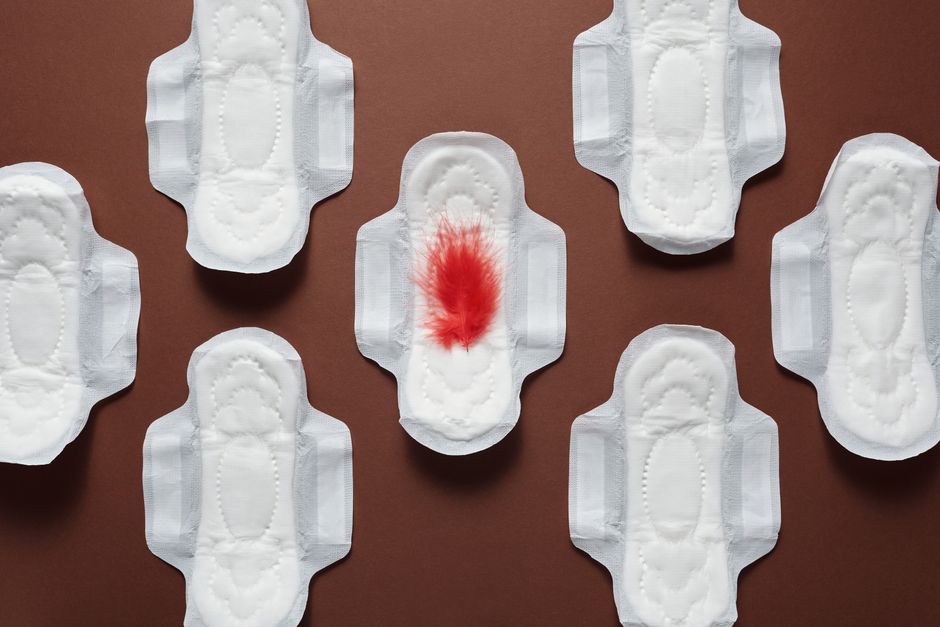
Brown blood before your period usually means you are seeing older blood that took longer to leave the uterus. Fresh blood is bright red because it is oxygen-rich and leaves the body quickly. Blood that sits in the uterus or vagina for a while turns brown or dark as it is exposed to oxygen. For most people, a day or two of brown spotting right before a period is normal. It can also show up at the very end of a period for the same reason.
That said, brown discharge is a symptom, not a diagnosis. It has many possible causes, and most of them are not serious. A few are worth a doctor’s attention. The sections below explain what is normal, what is not, and when to get checked.
Why Does Period Blood Turn Brown?
Blood changes color based on how long it stays in the body and how much oxygen it meets. When you bleed, the blood starts red. As it sits, the hemoglobin inside red blood cells oxidizes and breaks down. That shifts the color from bright red to dark red, then brown, and sometimes nearly black.
This is the same process that turns a scab dark. It is chemistry, not a sign of disease on its own.
Flow speed matters too. A heavy flow moves blood out fast, so it stays red. A light flow moves slowly. Blood lingers, oxidizes, and comes out brown. This is why the first and last days of a period are often brown while the middle days are red.
So brown blood is not “old period blood” in a mystical sense. It is simply blood that was exposed to oxygen for longer before leaving your body.
What Does Brown Blood Before Your Period Mean?
The most common explanation is that your period is starting. The first bit of shedding is light and slow, so it appears brown before the flow picks up. This is called spotting, and it can last a few hours to a couple of days.
Several normal situations produce this pattern:
- Start of a period. The uterine lining begins to shed slowly before flow increases.
- End of a period. Leftover blood exits slowly and appears brown.
- Ovulation spotting. Some people notice light brown spotting around mid-cycle.
- Hormonal birth control. Spotting between periods is a common side effect, especially in the first few months.
- Implantation bleeding. A small amount of light spotting can occur when a fertilized egg attaches to the uterine lining. It is usually light and brief.
Implantation bleeding is often mentioned online, but it is not as common or as reliable as many sources suggest. Many people who are pregnant never notice it. If you think you could be pregnant, a test is more useful than reading symptoms.
What Causes Brown Spotting Before a Period?
Beyond the normal start of a period, several things can cause brown spotting in the days before flow begins. Some are harmless. Others are worth investigating.
Hormonal shifts
Estrogen and progesterone control the timing and thickness of the uterine lining. When these hormones are out of balance, the lining can shed unevenly, producing brown spotting. This is common during puberty, perimenopause, and after starting or stopping hormonal birth control.
Birth control and IUDs
Hormonal contraceptives and intrauterine devices can cause irregular spotting. With hormonal methods, this often settles after a few months. With copper IUDs, spotting can continue longer. If bleeding is heavy or persistent, talk to your clinician.
Infection
Infections of the cervix, uterus, or vagina can cause discharge that looks brown or bloody. This is more likely if there is also pain, odor, fever, or discomfort during sex or urination. These infections are treatable, so see a doctor if you notice these signs.
Uterine or cervical growths
Fibroids and polyps are non-cancerous growths that can cause irregular bleeding or spotting. They are common and often harmless, but they can cause symptoms that need evaluation.
Pregnancy-related causes
Early pregnancy can produce spotting. So can an ectopic pregnancy, which is a medical emergency. If you have brown or red bleeding along with sharp or one-sided pain, dizziness, or shoulder pain, seek care right away.
Perimenopause
As ovulation becomes less regular, hormone levels fluctuate. This can cause unpredictable spotting, including brown discharge before a period. This is a normal part of the transition, but new bleeding patterns should still be discussed with a doctor.





When Should Brown Spotting Before a Period Concern You?
Most brown spotting is not a problem. Some patterns deserve a medical visit.
See a doctor if you notice any of these:
- Bleeding between periods that happens repeatedly, not just once
- Bleeding after sex
- Spotting that lasts more than a few days
- Heavy bleeding, such as soaking through a pad or tampon in an hour
- Bleeding with pain, fever, or foul-smelling discharge
- Any bleeding after menopause
- Spotting along with a positive pregnancy test, or with pain and dizziness
Bleeding after menopause is never considered normal and should always be evaluated. Any postmenopausal bleeding needs a doctor’s assessment, regardless of how light it is.
If you are unsure whether your pattern is normal for you, that is a good reason to ask. Tracking your cycle for a couple of months can help your doctor see the pattern.
How Is the Cause of Brown Spotting Evaluated?
A doctor starts with your history. They will ask about your cycle, birth control, pregnancy status, and any other symptoms. A pelvic exam may follow.
Depending on what they find, they may recommend:
- A pregnancy test
- Blood tests to check hormone levels
- An ultrasound to look at the uterus and ovaries
- A swab to check for infection
- An endometrial biopsy if the lining needs to be sampled
Which tests are used depends on your age, symptoms, and history. Not everyone needs all of them. The goal is to rule out causes that need treatment and confirm that the spotting is harmless.
Is Brown Blood a Sign of Pregnancy?
It can be, but it is not a reliable sign on its own. Early pregnancy spotting is common, and it can look brown. However, many people who are not pregnant also have brown spotting before a period.
If you might be pregnant, the only way to know is a pregnancy test. A home urine test is usually accurate around the time of a missed period. If the result is negative but you still have symptoms, repeat the test in a few days or see a doctor.
Spotting in early pregnancy is common, but it can also be a sign of a problem, including miscarriage or ectopic pregnancy. If you are pregnant and bleeding, contact your doctor. If you have pain, heavy bleeding, or dizziness, get care right away.
Does Brown Blood Mean Something Is Wrong?
No. In most cases, brown blood is simply blood that left the body slowly. It reflects timing and flow, not disease.
The color alone does not tell you much. What matters is the pattern: how often it happens, how long it lasts, and whether it comes with other symptoms. A single day of brown spotting before a period is usually nothing to worry about. Repeated bleeding between periods, bleeding after sex, or bleeding after menopause is worth checking.
One point that often gets lost: color is a weak signal. People sometimes worry that dark blood means “stuck” or “toxic” blood. That idea has no basis in how the body works. Blood does not become toxic by sitting in the uterus. It simply oxidizes and changes color.
Frequently Asked Questions
Is brown blood before a period normal?
Yes, it is often normal, especially in the day or two before flow starts. It usually means light, slow-flowing blood that oxidized before leaving the body.
Does brown blood mean I am pregnant?
It can be a sign of early pregnancy spotting, but it is not reliable on its own. A pregnancy test is the only way to know for sure.
Can brown spotting before a period be a sign of infection?
It can be, especially if it comes with pain, odor, fever, or discomfort during sex. These signs should be checked by a doctor.
When should I worry about brown spotting before my period?
See a doctor if it happens repeatedly, lasts several days, follows sex, or comes with pain or heavy bleeding. Any bleeding after menopause should always be evaluated.
