
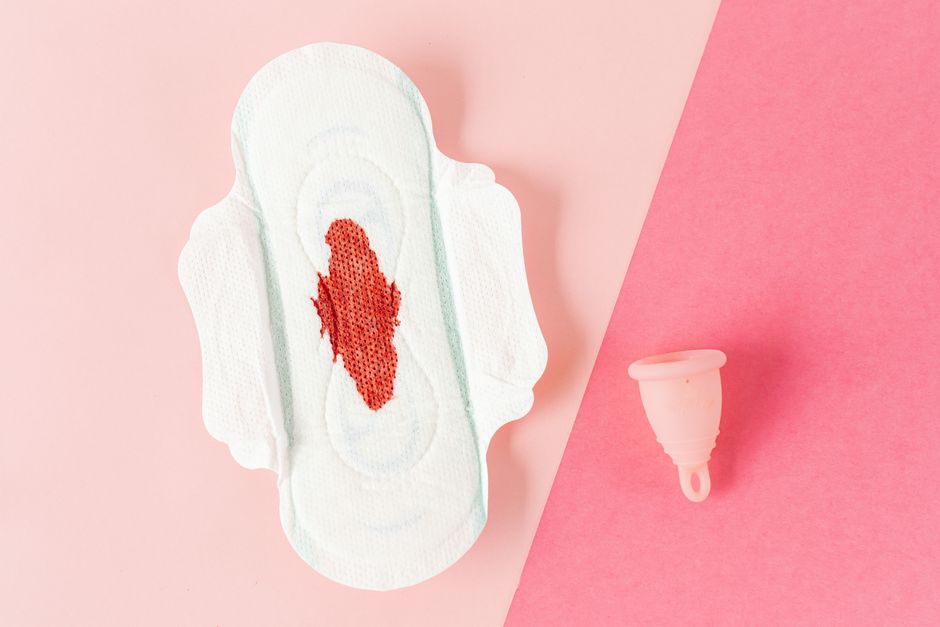
Seeing dark brown or nearly black blood at the start or end of your period is usually normal. That color comes from blood that took longer to leave the uterus, so it had more time to be exposed to oxygen. The medical term for this is oxidized blood, and it is the same process that turns a cut from red to brown as it scabs. Old period blood is not a sign that something is wrong on its own. What matters more is the pattern around it: when it shows up, how long it lasts, and whether anything else has changed.
Why Do I Have Old Period Blood?
Menstrual blood is a mix of blood, tissue from the uterine lining, and cervical mucus. When that mixture moves out of the body quickly, it looks bright red. When it sits in the uterus or vagina for a while, the iron in the blood reacts with oxygen and darkens. This is why the same period can start brown, turn red in the middle, and end brown again.
The rate of flow is the main driver. On heavy days, blood leaves fast. On light days, it moves slowly and has more time to oxidize. A slow flow at the beginning or end of a period is expected and does not indicate a problem.
What is worth paying attention to is old blood that appears outside the normal pattern. Spotting between periods, brown discharge that continues for many days after bleeding stops, or a sudden change from your usual cycle can point to something worth discussing with a clinician.
Is Brown Period Blood Normal at the Start and End of a Period?
Yes. Brown blood at the beginning and end of a period is a normal part of the menstrual cycle for most people. It reflects slower flow, not disease.
The start of a period often brings a small amount of old blood left over from the previous cycle. As flow picks up, the color shifts to red or dark red. Near the end, flow slows again and the last blood to leave has had time to oxidize, so it appears brown or even black.
The duration of this brown phase varies. For some people it lasts less than a day. For others it can stretch across two or three days of light spotting. Neither pattern is inherently abnormal. The key is whether it fits your usual cycle or represents a change.
One detail worth knowing: the color itself does not indicate how “old” the blood is in terms of days. It reflects exposure to oxygen, which can happen over hours or longer depending on flow. A small amount of blood that lingers in the vagina can darken quickly.
What Causes Brown Discharge Between Periods?
Brown discharge between periods is different from brown blood during a period. It means a small amount of blood is leaving the uterus outside the normal bleeding window. There are several possible reasons, and most are not serious.
Ovulation spotting is one common cause. Around the middle of the cycle, hormonal shifts can cause a small amount of bleeding. This blood may appear brown by the time it reaches the outside.
Hormonal birth control is another frequent factor. Birth control pills, implants, injections, and intrauterine devices can all cause breakthrough bleeding, especially in the first few months of use. This bleeding is often light and brown.
Other causes include:
- Perimenopause, when hormone levels fluctuate and cycles become irregular
- Infections such as cervicitis or endometritis, which can cause spotting and discharge
- Polyps or fibroids in the uterus or cervix
- Thyroid problems that affect hormone regulation
- Recent procedures like a Pap smear or IUD placement
Some of these causes are minor. Others need evaluation. Brown discharge that is new, persistent, or accompanied by pain, odor, or fever should be checked by a clinician. The color alone does not tell you the cause.





When Does Old Period Blood Signal a Health Issue?
Old period blood becomes a concern when it appears with other symptoms or breaks from your normal pattern. The color is not the signal. The context is.
Seek medical advice if you notice any of the following:
- Bleeding between periods that lasts more than a day or two
- Bleeding after sex
- Brown discharge with a strong or foul odor
- Pelvic pain, cramping, or fever alongside the discharge
- Spotting after menopause, which always needs evaluation
- A sudden change in your cycle that persists for more than two or three cycles
Postmenopausal bleeding is the one situation where old blood is never considered normal. Any bleeding after menopause — even a small amount of brown discharge — should be evaluated promptly. This is a well-established clinical guideline because the risk of endometrial cancer rises after menopause, and early evaluation matters.
For premenopausal people, the threshold for concern is lower. Many causes of irregular bleeding are benign. But persistent changes deserve a conversation with a doctor rather than watchful waiting.
How Does the Menstrual Cycle Affect Blood Color?
The menstrual cycle runs on a predictable hormonal rhythm for most people. Estrogen builds the uterine lining in the first half of the cycle. After ovulation, progesterone stabilizes that lining. If pregnancy does not occur, hormone levels drop, the lining sheds, and bleeding begins.
The color of that bleeding tracks with flow rate. Heavy flow means fast transit and bright red blood. Light flow means slow transit and darker blood. This is why the same person can see bright red on day two and brown on day five of the same period.
Cycle length and flow patterns vary widely between individuals. A typical cycle ranges from about 21 to 35 days, and bleeding usually lasts between two and seven days. What is “normal” for one person may not match another. The useful reference point is your own baseline.
Hormonal shifts at different life stages change bleeding patterns. During perimenopause, cycles often become shorter or longer, flow may lighten or heavy, and spotting between periods becomes more common. Brown discharge is frequently part of that picture. It is a normal transition, but new bleeding patterns in this stage still warrant a check-in with a clinician to rule out other causes.
Does Birth Control Change Period Blood Color?
Yes. Hormonal birth control changes both the amount and the color of bleeding for many people. This is expected and not a sign of harm.
Combined oral contraceptives thin the uterine lining over time. With less tissue to shed, periods become lighter. Lighter flow means slower transit, which means more oxidized blood. Brown or dark red bleeding is common on the pill, especially during the placebo week.
Progestin-only methods — including the implant, the injection, and hormonal IUDs — often reduce bleeding further. Some people stop having periods altogether. Others have frequent light spotting or brown discharge, particularly in the first three to six months after starting.
Breakthrough bleeding on any hormonal method is common in the early months. It usually settles as the body adjusts. If it continues beyond a few months or becomes heavier, a clinician can help assess whether the method is the right fit or whether another cause is at play.
The copper IUD works differently. It does not contain hormones and often makes periods heavier and crampier, especially in the first few months. Brown blood at the tail end of a period can still happen because flow slows at the end regardless of method.
What Other Factors Affect Period Blood Color?
Several factors beyond hormones and flow can influence how period blood looks. None of them are diagnostic on their own, but they help explain why color varies from cycle to cycle.
Age plays a role. Teenagers often have irregular cycles in the first few years after menarche as the hormonal axis matures. People in their 40s and 50s often see changes as they approach menopause. Both stages can bring more brown discharge.
Pregnancy is another factor. Early pregnancy bleeding, sometimes called implantation bleeding, is often light and brown. It happens when a fertilized egg attaches to the uterine lining. Not everyone experiences it, and it can be mistaken for a light period. Anyone who could be pregnant and notices unusual bleeding should take a pregnancy test.
Other influences include:
- Significant weight loss or weight gain, which can affect hormone levels
- Intense exercise, which can disrupt cycles in some people
- Stress, which can alter the timing and flow of a period
- Certain medications, including blood thinners and some antidepressants
- Medical conditions like polycystic ovary syndrome (PCOS) or thyroid disorders
These factors do not change the basic mechanism. They change the flow rate or the hormonal environment, and the color follows.
When Should You See a Doctor About Old Period Blood?
See a doctor if old period blood comes with symptoms or represents a clear change from your normal pattern. Brown blood by itself, at the start or end of a period, is not a reason to worry.
The following situations warrant a medical visit:
- Any bleeding after menopause
- Bleeding between periods that persists or worsens
- Bleeding after sex
- Discharge with a foul odor, itching, or pain
- Pelvic pain or fever with abnormal bleeding
- Periods that suddenly become much heavier, longer, or more irregular
- Spotting during pregnancy
A clinician can assess the cause through history, examination, and sometimes imaging or lab tests. Many causes of abnormal bleeding are treatable. Some resolve on their own. The point of evaluation is to rule out the ones that need attention.
There is no blood test or scan that specifically checks for “old blood.” The evaluation focuses on the underlying cause of the bleeding pattern, not the color itself.
Frequently Asked Questions
Is brown period blood a sign of pregnancy?
Brown spotting can happen in early pregnancy, but it is not a reliable sign on its own. Many other things cause brown discharge, so a pregnancy test is the only way to know.
Why is my period blood black?
Black period blood is usually just blood that has been exposed to oxygen for longer than usual, often at the very start or end of a period. It is not typically a sign of a problem unless it comes with other symptoms.
Can old period blood mean I have an infection?
An infection can cause brown discharge, but it usually comes with other signs like a foul odor, itching, pain, or fever. Brown blood alone does not suggest an infection.
How long is brown discharge normal after a period?
Light brown spotting for a day or two after a period is common and normal. If it continues for many days or happens between every cycle, it is worth mentioning to a doctor.
