
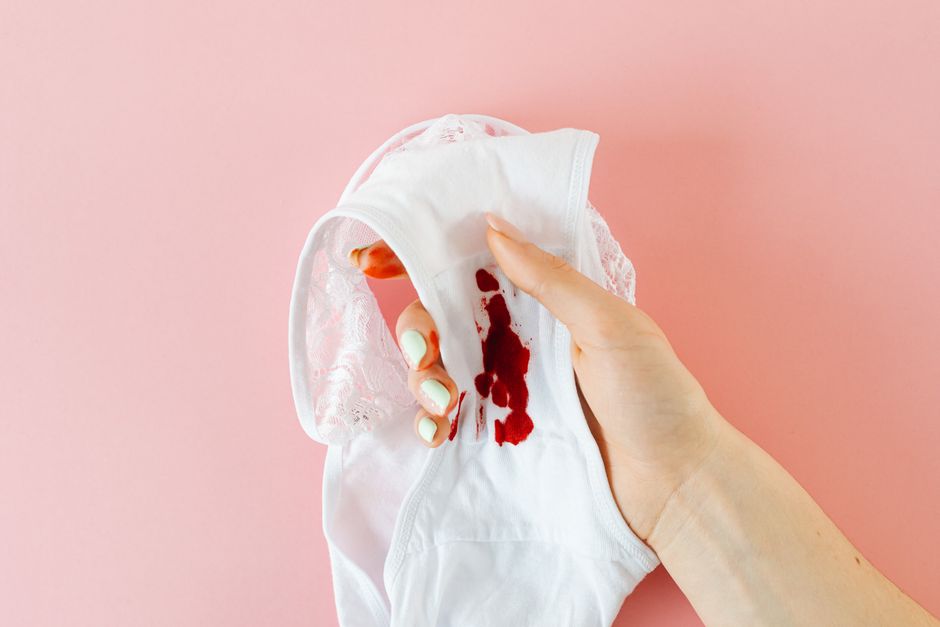
You have used a menstrual cup for months or years without trouble. Then one day it leaks. You did everything the same way. Nothing changed — except the leak. This is frustrating and confusing. The most common reason is a change in your body, not a problem with the cup itself. Your cervix shifts position throughout your cycle and as you age. Your pelvic floor muscles change with hormones and time. The seal that worked before may no longer be there. Let us walk through what is really happening and what you can do about it.
What Causes a Menstrual Cup to Leak When It Never Did Before?
The cup did not change. Your body did. The cervix moves up and down during your menstrual cycle. It sits lower right before and during your period. It rises higher after ovulation. If you place the cup when your cervix is high, it may not seal properly when your cervix drops lower later in your period. This is called cervix migration.
Your pelvic floor muscles also change over time. They can weaken with age, childbirth, or hormonal shifts like perimenopause. Weaker muscles cannot hold the cup in place as firmly. The cup may tilt or shift and break the seal. Research published in the journal BMJ Sexual & Reproductive Health found that about 30 percent of menstrual cup users report leakage as a top concern. Most of these cases are linked to improper placement or changes in the body rather than a faulty cup.
Another factor is the cup itself. Silicone softens with repeated use and exposure to body heat and cleaning. A cup that was firm enough to create a seal two years ago may now be too soft to hold its shape. If you have used the same cup for more than a year, this is worth checking.
How Does Cervix Position Affect Cup Fit?
Your cervix is not fixed in place. It moves throughout your cycle and changes with age. When your cervix is low, it takes up space inside the cup. This reduces the cup’s capacity. The cup fills faster than expected and overflows. Many women think the cup is leaking when it is actually full.
To check your cervix position, wash your hands and insert a clean finger during your period. Feel for a firm, round bump at the end of your vaginal canal. That is your cervix. If you can reach it easily with your fingertip, your cervix is low. If you have to reach deeper, it is high. Your cup needs to sit below your cervix, not beside it. If the cup sits next to the cervix, blood flows around the cup instead of into it.
Some women find that their cervix tilts to one side. This is normal but it changes how the cup needs to be positioned. If your cervix tilts left, you may need to angle the cup slightly left when inserting it. A straight up-and-down insertion may miss the cervix entirely. The CDC notes that cervical position varies widely among women and even across cycles for the same woman.
Could the Cup Size or Firmness Be Wrong Now?
What worked for you at age 25 may not work at age 40. Childbirth changes the vaginal canal and pelvic floor permanently. Even without childbirth, aging changes tissue elasticity. A cup that was snug five years ago may now leave gaps.
Most brands offer two sizes. Size 1 is for women under 30 who have not given birth vaginally. Size 2 is for women over 30 or those who have had a vaginal birth. These are guidelines, not rules. Some women need a larger cup after age 35 even without childbirth. Some need a smaller cup if their pelvic floor is tight.
Firmness matters as much as size. Soft cups are more comfortable but harder to open fully inside the body. Firm cups create a stronger seal but can press on the bladder or bowel. If your current cup is soft and leaking, try a firmer cup. If it is firm and uncomfortable, try a softer one. There is no single right choice. It depends on your unique anatomy.
| Cup Feature | What It Affects | When to Change |
|---|---|---|
| Size | Capacity and seal | After childbirth, age 30+, weight change of 15+ pounds |
| Firmness | Ease of opening and comfort | If cup does not pop open or feels uncomfortable |
| Shape | Fit around cervix | If cup sits crooked or slides down |





What Are the Most Common Mistakes That Cause Leaks?
Placement errors are the leading cause of leaks. The cup must fully open after insertion. If it stays folded or partially collapsed, blood leaks around the edges. You can check this by running a clean finger around the base of the cup after insertion. It should feel round and smooth, not dented or folded.
Another mistake is not breaking the seal before removal. Pulling the cup out without pinching the base creates suction. This can cause pain and spill the contents. Always pinch the base to release the seal before pulling.
- Not rotating the cup — Many cups need a quarter turn after insertion to fully open. Skipping this step leaves the cup partially folded.
- Inserting too high or too low — The cup should sit low enough that the stem is barely inside the vaginal opening. Too high and it may press on the cervix. Too low and it may not seal.
- Using the wrong fold — The punch-down fold works for most cups. The C-fold is easier for softer cups. If your cup does not open, try a different fold.
- Not emptying frequently enough — Heavy flow days may require emptying every 4 hours instead of every 12. A full cup leaks without warning.
Some women also make the mistake of trimming the stem too short. The stem helps you locate the cup for removal. If it is too short to reach, you may struggle to break the seal properly. Leave at least a quarter inch of stem visible when the cup is correctly positioned.
Could It Be a Medical Issue Causing the Leak?
Sometimes the cup is fine and the body has changed in a way that needs medical attention. Uterine fibroids can change the shape of the cervix and uterus. They are common in women over 35. Fibroids can push the cervix to one side or make it sit lower than usual. This changes how the cup fits.
Endometriosis can also cause changes in pelvic anatomy. Scar tissue from endometriosis or past surgeries can pull the cervix into an unusual position. Some women with endometriosis report that their cup suddenly stops working after years of successful use. The American College of Obstetricians and Gynecologists states that fibroids affect up to 80 percent of women by age 50. If your cup started leaking around the same time you noticed heavier periods, longer cramps, or pain during sex, talk to your doctor.
Pelvic organ prolapse is another possibility. This happens when the bladder, uterus, or rectum drops into the vaginal canal. It is more common after childbirth and with age. Prolapse changes the angle and depth of the vaginal canal. A cup that fit before may no longer create a seal. Symptoms include a feeling of heaviness in the pelvis, a bulge at the vaginal opening, and leaking urine or stool. If you have any of these symptoms along with cup leakage, see a gynecologist.
How to Fix a Leaking Menstrual Cup Right Now
Start with the simplest fix first. Remove the cup, rinse it, and reinsert it using a different fold. The punch-down fold creates a smaller insertion point and opens more reliably than the C-fold for most cups. After insertion, rotate the cup a full turn. Run a finger around the base to confirm it is fully open.
Check the position relative to your cervix. Insert a clean finger and feel for your cervix. The cup should sit below it, not beside it. If the cup is beside the cervix, remove it and reinsert at a different angle. Tilt the cup slightly toward the side where your cervix sits.
If the cup still leaks, try a different size or firmness. Many brands sell sample packs with two sizes. Some online retailers allow returns on opened cups. Look for a cup that is one size larger or one firmness level higher than your current one.
Consider switching to a disc instead of a cup. Menstrual discs sit differently in the body. They rest in the vaginal fornix, not around the cervix. Discs work well for women with a low or tilted cervix. Some women find that discs leak less than cups for this reason. The evidence on disc versus cup leakage is limited, but user surveys suggest discs work better for certain anatomies.
If none of these steps work after two cycles, see a gynecologist. Bring your cup with you. Your doctor can examine your pelvic anatomy and help you understand what has changed. They may recommend a different product or evaluate you for an underlying condition.
Frequently Asked Questions
Why did my menstrual cup suddenly start leaking?
Your cervix position or pelvic floor muscles likely changed. This can happen from age, hormonal shifts, or recent childbirth.
Can a menstrual cup lose its seal over time?
Yes. Silicone softens with use and heat exposure, which can weaken the seal after a year or more of regular use.
Should I size up or down if my cup leaks?
Size up if you are over 30, have had a vaginal birth, or have a heavy flow. Size down if you have a tight pelvic floor or discomfort.
Is it normal for a menstrual cup to leak on heavy flow days?
Yes. Heavy flow can fill the cup faster than expected. Empty it every 4 hours on heavy days instead of every 12.
