
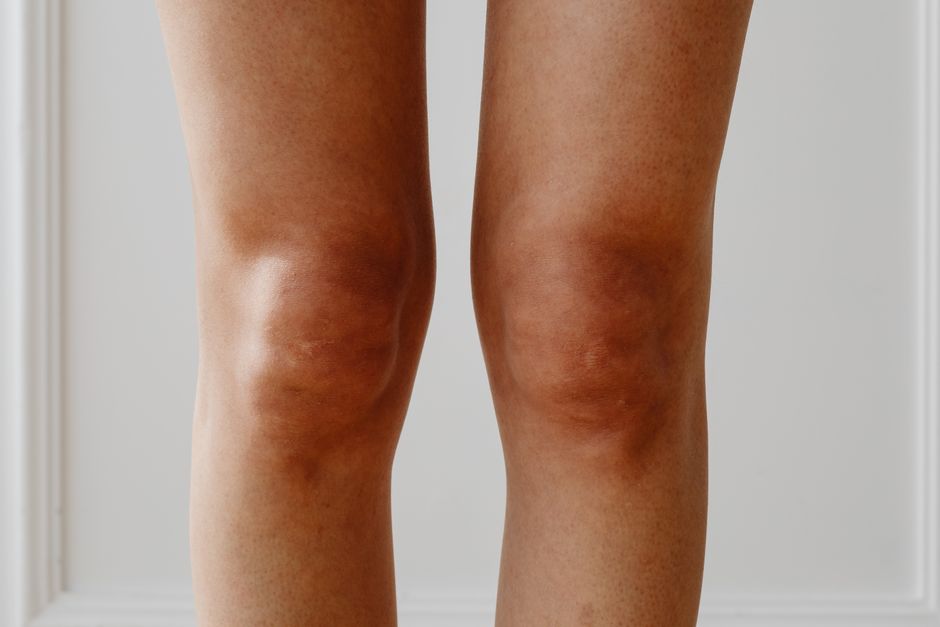
Hearing a pop, click, or snap in your knee every time you climb stairs can be unsettling, but it is rarely a sign of serious damage. Most knee popping, also known as crepitus, comes from gas bubbles bursting in the joint fluid or tendons snapping over bony bumps. This is usually harmless. However, if the popping comes with pain, swelling, or a feeling that the knee is giving way, it can point to a real problem like cartilage wear or a meniscus tear. Understanding the difference between a benign noise and a warning sign is the key to knowing what to do next.
What Causes the Popping Sound in Your Knee?
The knee is a complex hinge joint. It relies on cartilage, fluid, ligaments, and tendons to move smoothly. When you climb stairs, the joint bends and straightens under your body weight. Several things can create that popping sensation.
The most common cause is cavitation. This is the same process that makes your knuckles crack. Joint fluid contains dissolved gases like oxygen and nitrogen. When the joint stretches quickly, the pressure drops, and these gases form a bubble. The bubble pops, creating that audible snap. This is completely normal and not a sign of damage.
Tendons can also cause popping. The iliotibial band, a thick band of tissue running down the outside of the thigh, can snap over the bony bump at the outside of the knee. This often happens during repetitive bending motions like stair climbing. The sound can be loud, but if there is no pain, it is usually just the tendon moving over bone.
Finally, the kneecap itself can move slightly out of its groove. When it snaps back into place, you hear a pop. This is more common if the muscles around the knee are weak or imbalanced.
Why Is My Knee Popping When Going Up Stairs Specifically?
Stairs put more stress on the knee than walking on flat ground. When you step up, your knee bends to about 90 degrees. At this angle, the kneecap presses firmly against the thigh bone. The pressure increases the friction inside the joint.
This position also changes how the tendons pull across the joint. The quadriceps muscle, which runs down the front of the thigh, pulls on the kneecap through the patellar tendon. As the knee bends and straightens on each step, that tendon stretches and releases. If it catches on a small bone spur or a rough edge of cartilage, it will snap.
Stair climbing also requires more stability from the muscles around the knee. If your glutes or quadriceps are weak, the kneecap may track slightly off center. This poor tracking increases the chance of tendons and cartilage rubbing together, creating noise.
When Is Knee Popping a Sign of Something Serious?
Popping alone is not a problem. The noise itself does not damage the joint. What matters is what else you feel along with the pop.
You should take knee popping seriously if it comes with any of these symptoms:
- Pain during or after climbing stairs
- Swelling that appears within a few hours
- A feeling that the knee is catching or locking
- The knee feels unstable or wants to give way
- Redness or warmth around the joint
- A popping sound that follows a specific injury
If you have these symptoms, the popping may be caused by a meniscus tear. The meniscus is a C-shaped piece of cartilage that cushions the knee. A torn meniscus can flip into the joint space and cause a catching sensation. This often happens with a twisting injury.
Another possible cause is patellofemoral pain syndrome. This condition involves irritation where the kneecap rubs against the thigh bone. It is common in people who run or squat frequently. The popping is often accompanied by a dull ache behind or around the kneecap, especially after sitting for a long time.
Arthritis can also cause popping. As cartilage wears down, the joint surface becomes rough. The bones may grind against each other, producing a grating or crunching sound. This is more common in older adults and usually comes with stiffness and pain.





How to Tell Normal Popping From Problem Popping
The easiest way to tell the difference is to pay attention to pain. If your knee pops without any discomfort, it is almost certainly harmless. Many people have noisy knees for years without any issues.
Normal popping tends to be consistent. It happens every time you climb stairs, but it does not get worse. The knee feels stable and strong. There is no swelling, and the popping does not limit your movement.
Problem popping is different. It often starts suddenly after an injury. The knee may feel like it is catching or sticking before it pops. You might have trouble fully straightening or bending the leg. Swelling can develop over the next day. If the knee locks in one position and you cannot move it, that is a medical emergency and you should see a doctor promptly.
Can You Stop Your Knee From Popping?
You cannot always stop the noise, and you do not need to. If the popping is painless, no treatment is necessary. The sound is not wearing down your joint.
If the popping comes with mild discomfort or you want to reduce it, strengthening the muscles around the knee can help. Strong quadriceps and glutes keep the kneecap tracking properly. When the kneecap stays in its groove, tendons are less likely to snap over bone.
Simple exercises include straight leg raises, wall sits, and step-ups. These exercises build strength without putting heavy stress on the joint. Stretching the hamstrings and calf muscles can also improve how the knee moves through its full range of motion.
Maintaining a healthy weight reduces the load on the knee joint. Every pound of body weight puts about four pounds of pressure on the knees during stair climbing. Losing weight if you are overweight can noticeably reduce knee stress.
When Should You See a Doctor for Knee Popping?
You should see a doctor if the popping is accompanied by pain that lasts more than a few days. You should also seek medical advice if the knee swells, feels unstable, or locks up.
Sudden swelling after an injury is a red flag. It can indicate bleeding in the joint or a ligament tear. If you cannot bear weight on the leg, you should be evaluated promptly.
A doctor will examine your knee, check your range of motion, and may order imaging. An X-ray can show arthritis or fractures. An MRI can reveal soft tissue damage like meniscus tears or ligament injuries. The right treatment depends entirely on what is causing the symptoms.
What Treatments Are Available for Painful Knee Popping?
Treatment depends on the underlying cause. For patellofemoral pain, physical therapy is the first line of treatment. A therapist can identify muscle imbalances and teach you exercises to correct them. Most people improve with this approach alone.
For a meniscus tear, treatment varies. Small tears may heal with rest, ice, and physical therapy. Larger tears or tears that cause locking may require surgery. Arthroscopic surgery can trim or repair the torn cartilage.
For arthritis, treatment focuses on managing symptoms. Anti-inflammatory medications can reduce pain and swelling. Physical therapy helps maintain strength and flexibility. In advanced cases, a knee replacement may be considered, but this is typically reserved for severe arthritis that limits daily activities.
Can Knee Popping Be Prevented?
You cannot prevent all knee popping. Some people simply have anatomy that makes noise. But you can reduce your risk of developing painful knee conditions.
Strengthening your legs is the most effective prevention. Strong muscles support the joint and keep it stable. Focus on the quadriceps, hamstrings, and glutes. Even simple exercises done a few times a week make a difference.
Wearing proper footwear matters too. Shoes with good support reduce stress on the knees. If you run or play sports, replace worn shoes regularly.
Warming up before exercise prepares the joint for activity. Cold muscles and tendons are stiffer and more likely to catch. A few minutes of light movement before strenuous activity can help.
Frequently Asked Questions
Is knee popping when climbing stairs normal?
Yes, painless knee popping is normal and usually harmless. It is often caused by gas bubbles in the joint fluid or tendons moving over bone.
What does it mean if my knee pops and hurts going up stairs?
Painful popping can indicate cartilage wear, a meniscus tear, or patellofemoral pain syndrome. You should see a doctor if the pain lasts more than a few days.
Can weak muscles cause knee popping?
Yes, weak quadriceps or glutes can cause the kneecap to track incorrectly, leading to tendons snapping over bone. Strengthening these muscles often reduces the popping.
When should I worry about knee popping?
Worry if the popping comes with swelling, locking, instability, or pain. These symptoms can signal a meniscus tear or ligament injury that needs medical evaluation.
