
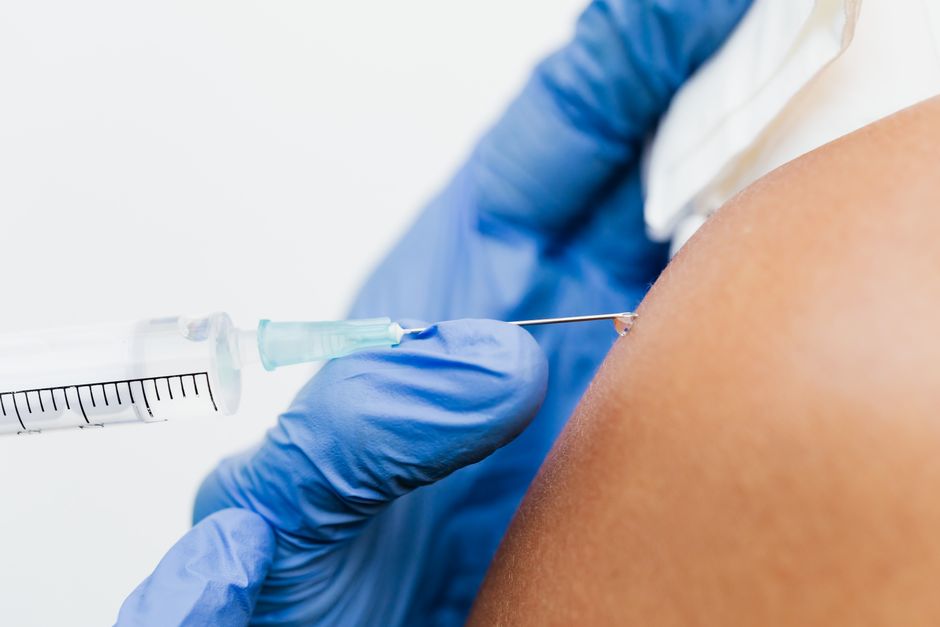
If you are considering platelet-rich plasma (PRP) injections for knee pain, you have likely already discovered that the price tag can be steep. Does Medicare cover PRP injections in the knee? No. Medicare does not cover PRP injections for knee conditions, including osteoarthritis, because the treatment is specifically excluded under the program’s definition of “reasonable and necessary” care. This means you would pay the full cost out of pocket, which typically ranges from several hundred to over a thousand dollars per injection.
That answer is straightforward, but the reasons behind it — and what you should know before paying cash — are worth understanding. This article explains exactly why Medicare excludes PRP, what the evidence actually shows about its effectiveness for knee pain, and what alternatives Medicare does cover.
Does Medicare Cover PRP Injections in the Knee?
No. Medicare does not cover PRP injections for the knee under any of its parts. This is not a billing error or a regional policy difference. It is a national coverage determination based on how Medicare defines covered treatments.
Medicare Part B covers services that are “reasonable and necessary” for diagnosing or treating an illness or injury. PRP injections for knee osteoarthritis and other knee conditions have not met that standard. The Centers for Medicare & Medicaid Services (CMS) has determined that the evidence is not strong enough to classify PRP as a covered treatment for these uses.
This exclusion applies whether the injection is given in a hospital outpatient department, a surgical center, or a doctor’s office. You will sign a waiver acknowledging that you are paying out of pocket before the procedure. If you have a Medicare Advantage plan, the same exclusion generally applies because these plans must follow Medicare’s coverage rules, though you should confirm with your specific plan.
Some private insurance plans also exclude PRP, but a few do cover it under specific circumstances. That variability does not extend to Medicare.
What Is PRP and How Is It Used for Knee Pain?
Platelet-rich plasma is made from your own blood. A clinician draws a sample, spins it in a centrifuge to concentrate the platelets and growth factors, and then injects that concentrated plasma into the knee joint or surrounding tissue.
The idea is that platelets contain growth factors that may promote tissue repair and reduce inflammation. This biological rationale is real. Platelets do release signaling proteins involved in healing.
But here is the distinction that matters: a plausible mechanism does not prove clinical benefit. Just because PRP contains growth factors does not mean injecting it into a knee reliably reduces pain or improves function compared with placebo. That question requires clinical trials, and the results have been mixed.
PRP is used for several knee problems, most commonly knee osteoarthritis. It has also been studied for tendon injuries, ligament sprains, and post-surgical recovery. The evidence is strongest — though still debated — for certain tendon conditions. For knee osteoarthritis, the picture is less clear.
What Does the Evidence Show for PRP in Knee Osteoarthritis?
The evidence is mixed. Some studies suggest PRP may reduce knee pain and improve function for a period of weeks to months compared with saline injections. Other studies, including some placebo-controlled trials, have found little to no meaningful difference.
A key problem is that PRP preparations vary widely. Different devices, different platelet concentrations, different numbers of injections, and different patient populations make it difficult to combine results into a clear answer. Two studies both labeled “PRP” may not be testing the same thing.
Some research indicates that PRP may provide short-term pain relief similar to or slightly better than hyaluronic acid injections or corticosteroid injections in certain patients. But the duration of benefit, the ideal candidate, and the optimal preparation remain unresolved.
What the evidence does not show is that PRP reverses cartilage damage or cures osteoarthritis. Osteoarthritis is a degenerative joint disease. No injection currently available reverses it. Claims that PRP “regenerates cartilage” are not supported by strong clinical evidence.
This uncertainty is exactly why Medicare excludes it. Coverage decisions require demonstrated benefit, not biological plausibility alone.




How Much Do PRP Injections Cost Without Medicare Coverage?
Because Medicare does not cover PRP for the knee, you pay the full cost. Prices vary widely by clinic and region.
- A single PRP injection for the knee commonly costs between $500 and $1,500.
- Many clinics recommend a series of two to three injections, which can push the total to $1,500 to $4,500 or more.
- Some providers charge additional consultation or imaging fees on top of the injection price.
These figures are typical ranges reported by clinics, not fixed prices. Costs are higher in major metropolitan areas and at sports medicine practices that market PRP heavily.
You should also know that Medicare will not pay for the ultrasound guidance that is sometimes used to place the injection, nor for the follow-up visits specifically tied to PRP treatment. Those costs may be covered if they are for a separate, covered diagnosis, but not as part of PRP care.
What Knee Treatments Does Medicare Actually Cover?
Medicare covers several evidence-based treatments for knee pain and knee osteoarthritis. If cost is a concern, these are worth discussing with your doctor.
Corticosteroid injections. Medicare generally covers corticosteroid injections for knee osteoarthritis. These can reduce pain and inflammation, though benefits are typically short-term, often lasting weeks to a few months. Repeated frequent use may have downsides for cartilage, so they are usually used judiciously.
Hyaluronic acid injections. Coverage for these varies. Some Medicare Administrative Contractors cover them for knee osteoarthritis under certain conditions, while others do not. You should check your specific coverage. The evidence for hyaluronic acid is also mixed, and clinical guidelines differ on how strongly to recommend it.
Physical therapy. Medicare covers physical therapy for knee conditions when it is medically necessary. Exercise-based therapy is one of the most consistently supported treatments for knee osteoarthritis.
Medications. Medicare Part D may cover prescription anti-inflammatory drugs and pain medications. Over-the-counter options like acetaminophen and ibuprofen are not covered but are widely used.
Knee replacement surgery. For advanced osteoarthritis, Medicare covers total or partial knee replacement when criteria are met.
Weight management counseling. For people with obesity and knee osteoarthritis, weight loss can reduce joint stress. Medicare covers some obesity-related counseling services.
Why Doesn’t Medicare Cover PRP?
Medicare’s decision reflects the evidence standard, not a judgment about whether PRP “works” for everyone. The program requires that a treatment be proven effective for a specific condition before it pays for it broadly.
For PRP and knee osteoarthritis, the evidence has not reached that bar. Trials are small, results conflict, and the treatment is not standardized. CMS has reviewed this and maintained the exclusion.
This is not unusual. Medicare excludes many emerging treatments until stronger evidence accumulates. Some treatments later gain coverage when better trials are published. Others do not.
It is also worth understanding that “FDA-cleared” is not the same as “Medicare-covered.” Many PRP devices are cleared by the FDA for processing blood, not for treating knee arthritis. That clearance does not mean the treatment is proven effective, and it does not trigger insurance coverage.
Should You Pay Out of Pocket for PRP?
That is a personal decision, and the honest answer is that the evidence does not strongly support it for most people with knee osteoarthritis. Some patients report meaningful relief. Others notice no difference. Placebo effects in injection studies can be substantial, which makes individual reports hard to interpret.
If you are considering PRP, a few points are worth keeping in mind:
- Ask your doctor what the evidence shows for your specific knee condition, not for PRP in general.
- Ask how many injections are recommended and what the total cost will be.
- Be skeptical of claims that PRP regrows cartilage or avoids surgery. Those claims are not well supported.
- Consider whether covered alternatives — physical therapy, corticosteroid injections, weight management — might address your symptoms first.
PRP is not dangerous in most cases because it uses your own blood. The main risks are injection-site reactions, infection (rare), and the financial cost of an unproven treatment.
Frequently Asked Questions
Does Medicare cover PRP injections in the knee?
No, Medicare does not cover PRP injections for the knee under any part. The treatment is excluded because it has not met Medicare’s standard for proven effectiveness.
Does Medicare Advantage cover PRP knee injections?
Generally no, because Medicare Advantage plans must follow Medicare’s coverage rules, which exclude PRP for the knee. You should confirm directly with your specific plan, as some may offer extra benefits.
How much do PRP knee injections cost without insurance?
Most clinics charge between $500 and $1,500 per injection, and many recommend a series of two to three injections. Total costs can exceed $4,000 depending on the provider and location.
Is PRP proven to work for knee osteoarthritis?
The evidence is mixed. Some studies suggest short-term pain relief, while others show little difference from placebo, and PRP preparations vary widely between studies.
