
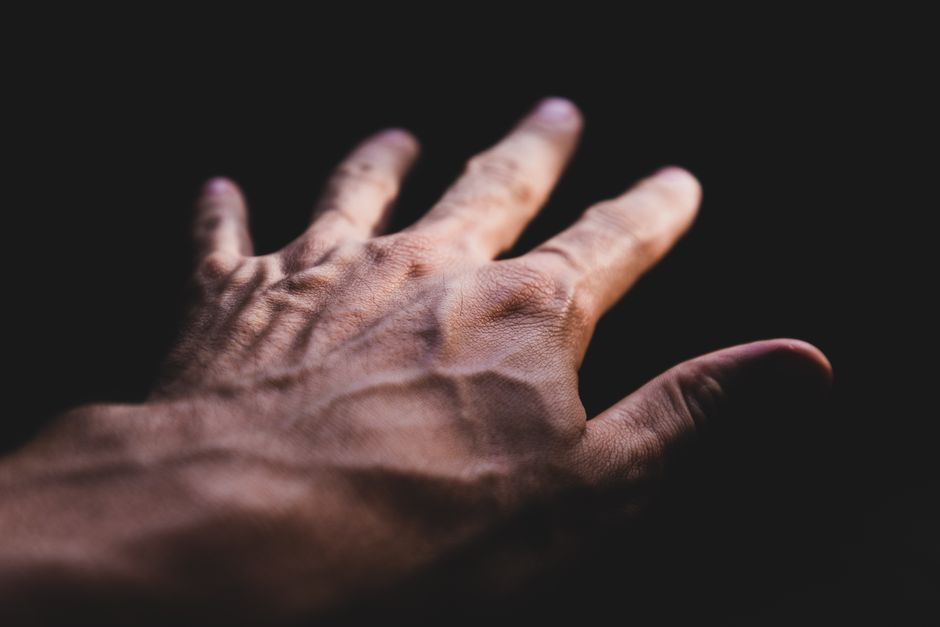
If a vein is suddenly more visible than usual, the most common reason is not disease — it is your body’s normal response to something temporary. Veins bulge when pressure inside them rises or when the tissue covering them thins. Exercise, heat, standing for long periods, and low body fat all make veins easier to see. Persistent, painful, or one-sided bulging veins are a different story and deserve a medical evaluation.
Most visible veins are harmless. Some are a sign of an underlying problem with how blood is flowing back to your heart. Knowing which is which helps you decide whether to ignore it or get it checked.
Why Are Your Vein Popping Out?
Veins carry blood back to the heart. Unlike arteries, they operate under low pressure, so they rely on two things to keep blood moving upward: one-way valves inside the vein and the squeeze of surrounding muscles.
When that system is working, blood moves steadily and the vein stays relatively flat. When pressure inside the vein rises, the walls stretch. When the tissue over the vein gets thinner, there is less to hide it. Both changes make a vein “pop out.”
There are three broad reasons this happens:
- Pressure changes. Blood volume and flow increase during exercise, in heat, and when you stand for a long time. The vein swells to hold the extra volume, then returns to normal.
- Structural changes in the vein. Valves can weaken over time. When they do not close properly, blood pools and the vein stays stretched.
- Less tissue over the vein. Lower body fat, thinner skin, and aging all reduce the padding between the vein and the surface.
This is why veins on the back of the hands and forearms become more visible as people get older. The veins are not damaged. The tissue around them has simply changed.
What Makes Veins Suddenly More Visible?
Sudden visibility usually points to a temporary cause. The vein was always there. Something changed the pressure or the surroundings.
The most common triggers:
- Exercise. Working muscles need more blood. Cardiac output rises, and veins in the arms, hands, and legs fill and stand out. This is expected and reverses within minutes to hours of stopping.
- Heat. In warm conditions the body widens blood vessels near the skin to release heat. That widening makes veins more prominent.
- Standing or sitting for long periods. Blood has to travel upward against gravity. Without muscle movement to help push it, it can pool in the legs.
- Low body fat or recent weight loss. Less fat under the skin means less insulation over the veins.
- Pregnancy. Blood volume increases substantially during pregnancy, and the growing uterus can press on the large vein returning blood from the legs. Both effects can make leg veins more visible. This usually improves after delivery.
- Aging. Skin thins and loses elasticity, and vein walls stiffen.
One detail worth knowing: the veins most people notice on the back of the hand and forearm are not usually varicose veins. They are superficial veins sitting close to the surface. Visible does not automatically mean abnormal.
When Are Popping Veins a Sign of a Medical Problem?
Varicose veins are the most common vein condition in adults. They occur when valves inside the vein stop closing properly. Blood flows backward and pools, and the vein stays enlarged.
Varicose veins typically look different from ordinary visible veins. They are:
- Twisted, bulging, or rope-like
- Blue, dark purple, or green
- Most often on the legs, calves, or ankles
- Often accompanied by aching, heaviness, or swelling
Risk factors that have been consistently identified include older age, family history, pregnancy, prolonged standing, and being female. These are associations, not guarantees. Many people with several risk factors never develop varicose veins.
Some signs need prompt medical attention rather than a wait-and-see approach:
- A vein that is red, hot, tender, or hard to the touch
- Sudden swelling in one leg only
- Pain that worsens with walking or standing
- Skin changes near the ankle, such as discoloration or a sore that will not heal
- Bleeding from a vein
These can indicate a blood clot, inflammation of a vein, or a circulation problem. They are not something to monitor at home.
Superficial thrombophlebitis — inflammation and clotting in a vein just under the skin — is often less serious than a deep vein clot, but it can be uncomfortable and occasionally linked to deeper clotting. A clinician can tell the difference.





Why Do Veins Pop Out More on Some People Than Others?
Two people can have identical habits and very different veins. Several factors explain the difference.
| Factor | What It Does |
|---|---|
| Body fat | Less subcutaneous fat means less tissue covering the vein |
| Skin thickness | Thinner skin makes veins more visible; skin thins with age |
| Genetics | Inherited differences in vein wall strength and valve function |
| Sex | Hormonal factors are associated with higher rates of varicose veins in women |
| Occupation | Jobs requiring prolonged standing are linked to leg vein problems |
| Training | Regular resistance and endurance training increases blood flow and muscle definition |
For athletes and people who train seriously, prominent veins are often a sign of fitness, not a problem. A well-conditioned body moves more blood, and lower body fat removes the padding that hides it.
Do Popping Veins Need Treatment?
Most visible veins need no treatment at all. If they are not painful, not changing, and not causing skin problems, there is nothing to fix.
When treatment is considered, it is usually for symptoms or appearance — not because the vein itself is dangerous. Options that clinicians commonly use for varicose veins include compression stockings, sclerotherapy, laser or radiofrequency ablation, and surgery in some cases. Each has a different evidence base and a different set of trade-offs.
Compression stockings are widely recommended and are supported by evidence for symptom relief in people with varicose veins and related leg swelling. They do not remove the veins or reverse the underlying valve problem.
Procedures such as sclerotherapy and endovenous ablation have good evidence for treating varicose veins, but they are medical procedures with real risks, including bleeding, infection, and skin changes. A vein specialist should assess whether a procedure is appropriate.
What does not have reliable evidence is the wide range of supplements and topical creams marketed for vein problems. These products are often described as supporting circulation or vein health. No large human trials have confirmed that they treat or prevent varicose veins.
Can You Prevent Veins From Popping Out?
You cannot change your genes or your age. But some habits may reduce the strain on leg veins.
- Move regularly. Calf muscles act as a pump. Walking and ankle flexing help push blood upward.
- Avoid long periods of standing still. Shift weight, flex your feet, or walk in place when you can.
- Elevate your legs when resting, so gravity works with you instead of against you.
- Stay hydrated and maintain a healthy weight. Excess weight increases pressure on leg veins.
- Wear compression if a clinician recommends it for your situation.
These steps are reasonable and low-risk. It is fair to say they may help reduce symptoms. It is not accurate to say they prevent varicose veins, because the evidence does not support that claim.
One clarification worth making: crossing your legs does not cause varicose veins. That idea is common but not supported. The pressure from crossing your legs for a short time is far less than the pressure from standing for hours.
Frequently Asked Questions
Why are the veins in my hands popping out?
Hand veins become more visible with age, lower body fat, heat, and exercise. The veins are usually normal — the tissue covering them has simply thinned or the veins are temporarily filled with more blood.
Are bulging veins a sign of poor circulation?
Not usually. Most visible veins are superficial and unrelated to circulation problems. Poor circulation more often shows up as cold or pale skin, numbness, or slow-healing wounds, not as prominent veins.
When should I see a doctor about a popping vein?
See a clinician if a vein becomes red, hot, tender, or hard, if one leg swells suddenly, or if you develop a sore near the ankle that will not heal. These signs can point to a clot or another condition that needs evaluation.
Can exercise cause varicose veins?
No consistent evidence shows that exercise causes varicose veins. Regular movement actually helps the calf muscles pump blood back toward the heart, which supports normal vein function.
