
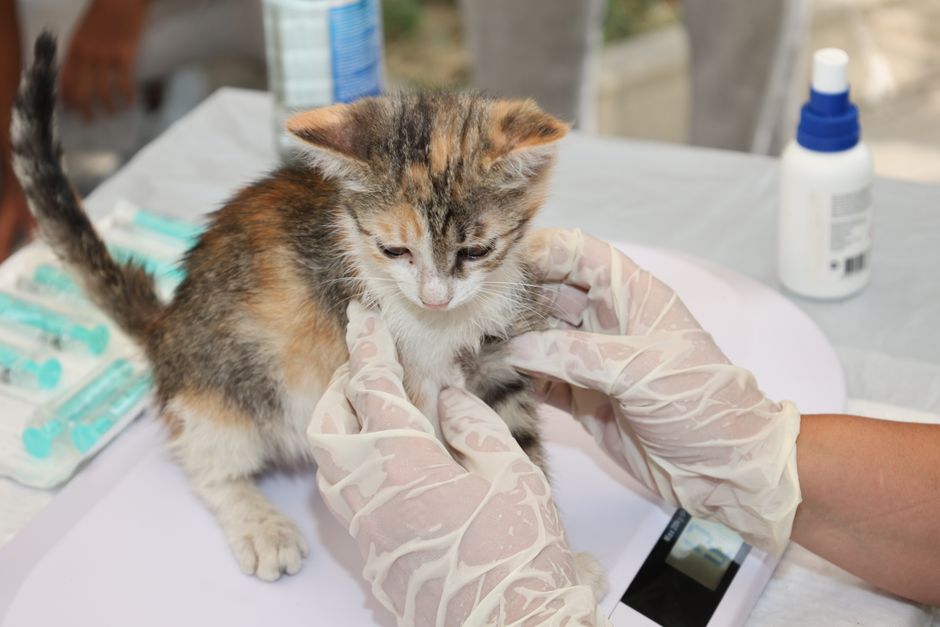
A kitten that suddenly seems unsteady, swaying, or unable to walk normally needs urgent attention. In most cases, wobbliness in a kitten is a sign of a real medical problem, not just clumsiness. The causes range from low blood sugar and dehydration to infections, toxins, and birth defects. Some are quickly treatable. Others are life-threatening. Either way, a kitten that was steady on its feet and suddenly is not should be seen by a veterinarian as soon as possible.
Kittens are not simply small cats. Their bodies regulate blood sugar, temperature, and hydration differently, and they have very little reserve to draw on when something goes wrong. That is why a young kitten can go from playing to weak and wobbly in a short time.
Why Is My Kitten Wobbly All Of A Sudden?
A sudden loss of balance or coordination usually points to something affecting the brain, the inner ear, the nerves, the muscles, or the kitten’s general strength. The most common categories are low blood sugar, dehydration and weakness, infection, poisoning, injury, and inherited or developmental conditions.
Age matters a lot here. A kitten under about eight weeks is at higher risk from blood sugar drops and dehydration. An older kitten may be more likely to have picked up an infection or gotten into something toxic. The pattern of symptoms often helps a vet narrow it down.
It helps to notice whether the wobbliness is constant or comes and goes. A kitten that is wobbly only when tired or after not eating may have a metabolic issue. One that is wobbly all the time, even at rest, may have a neurological or inner ear problem. This detail is useful to your vet.
Low Blood Sugar and Weakness in Kittens
Low blood sugar, called hypoglycemia, is one of the most common reasons a young kitten becomes wobbly. Kittens have small livers and limited stores of glycogen, the body’s short-term sugar reserve. If they go too long without eating, or burn energy faster than they take it in, blood sugar can fall.
Signs of low blood sugar in a kitten include wobbliness, weakness, trembling, drooling, and confusion. In severe cases a kitten can have a seizure or become unresponsive. Small or underweight kittens, and those recovering from illness, are at higher risk.
Dehydration and general weakness can produce similar signs. A kitten that has had diarrhea, vomiting, or simply not nursed well can become weak and unsteady. This is why a vet will often check blood sugar and hydration early in the exam.
Do not try to force food or water into a wobbly kitten’s mouth. A kitten that is weak or confused can choke. If the kitten is alert and able to swallow, some vets advise offering a small amount of a sugar source such as corn syrup rubbed on the gums as a first step while you head to the vet. If the kitten is not alert, keep it warm and get it to a veterinarian right away. Never give human medications.
Infections and Illness That Affect Balance
Several infections common in kittens can cause wobbliness. Some affect the whole body and cause weakness. Others affect the nervous system directly.
- Panleukopenia is a serious viral infection that causes vomiting, diarrhea, weakness, and sometimes neurological signs. It is often fatal in young kittens without treatment.
- Feline infectious peritonitis (FIP) can affect the brain and nervous system in its “dry” form, causing wobbliness, tremors, or behavior changes.
- Toxoplasmosis is a parasite that can affect the nervous system, especially in kittens whose immune systems are not fully developed.
- Ear infections can affect the inner ear, which controls balance, leading to a head tilt and unsteady walking.
Many of these conditions are treatable, especially when caught early. A kitten that is wobbly along with not eating, having a fever, or acting dull should be seen promptly. Some of these infections can also spread to other cats in the home.





Toxins and Poisons That Cause Wobbliness
Kittens explore with their mouths, which makes poisoning a real risk. A range of common household items can cause wobbliness, tremors, or seizures in cats.
- Household cleaners and disinfectants
- Human medications, including some pain relievers that are highly toxic to cats
- Certain plants, including lilies, which are dangerous to cats
- Antifreeze, which has a sweet taste and is extremely toxic
- Rodent poisons
- Essential oils, some of which are toxic to cats
If you suspect your kitten ate something toxic, treat it as an emergency. Call your veterinarian or a pet poison control service right away. Do not wait for symptoms to get worse, and do not try to make the kitten vomit unless a vet tells you to.
Injury, Birth Defects, and Inner Ear Problems
Not every wobbly kitten has an illness. Some wobbliness comes from physical causes.
A fall or a bump to the head can cause swelling or injury that affects balance and coordination. Kittens are fragile, and even a short fall can do harm. Head injury is a reason to see a vet immediately.
Some kittens are born with conditions that affect the nervous system or the inner ear. These are usually noticeable from an early age rather than appearing suddenly. A kitten with a birth defect may have always been a little unsteady, and the wobbliness is not new.
Problems with the inner ear, the body’s balance center, can cause a head tilt, circling, and a rolling or unsteady walk. Inner ear problems can come from infection, injury, or other causes. A vet can often tell the difference between an inner ear problem and a brain problem based on the exam.
When to See a Vet Right Away
Wobbliness in a kitten is a reason to act quickly. Some signs mean the situation is an emergency.
- The kitten cannot stand or keeps falling over
- There is a head tilt, circling, or rolling
- The kitten has a seizure, trembles uncontrollably, or becomes unresponsive
- The kitten is not eating, is vomiting, or has diarrhea
- You suspect the kitten ate something toxic or had a fall
- The kitten is very young, small, or was already unwell
While you get to the vet, keep the kitten warm and calm. Place it in a carrier with a soft towel and avoid handling it more than needed. Do not give food, water, or any medication unless a veterinarian tells you to.
It is also worth saying plainly: a kitten that is wobbly is not just being clumsy. True clumsiness in a healthy kitten looks like misjudged jumps and playful tumbles. A kitten that is suddenly unsteady, weak, or unable to control its body is showing a sign of a problem that needs a professional look.
How Vets Find the Cause
A veterinarian will start with a physical and neurological exam. They will check the kitten’s blood sugar, hydration, temperature, and reflexes. They may ask about diet, appetite, possible exposure to toxins, and whether the wobbliness came on suddenly or has been building.
Depending on what they find, they may recommend blood tests, imaging, or tests for specific infections. The right tests depend on the kitten’s age, symptoms, and history. Early diagnosis matters because many of these causes are more treatable when caught early.
Treatment depends entirely on the cause. Low blood sugar is corrected with sugar and a feeding plan. Dehydration is treated with fluids. Infections may need specific medications. Toxin exposure may need supportive care. There is no single treatment for wobbliness, because wobbliness is a sign, not a disease.
Frequently Asked Questions
Why is my kitten suddenly wobbly and weak?
The most common causes are low blood sugar, dehydration, infection, or exposure to something toxic. A kitten that is suddenly weak needs to be seen by a veterinarian promptly.
Can a wobbly kitten recover on its own?
Some causes, like a mild blood sugar dip, can improve quickly with the right care, but you cannot tell which cause you are dealing with at home. Do not wait to see if a wobbly kitten recovers on its own.
What should I do right away if my kitten is wobbly?
Keep the kitten warm and calm, and contact your veterinarian or an emergency animal clinic immediately. Do not force food or water into its mouth, and do not give any medication.
Is wobbliness in kittens a sign of something serious?
It can be. Some causes are minor and treatable, while others are life-threatening, so wobbliness should always be checked by a vet rather than watched at home.
