
Getting tested for STDs is straightforward. You can go to your regular doctor, a local health clinic, a Planned Parenthood, or a community health center. The process involves a quick conversation, a urine sample or a blood draw, and sometimes a swab. Results usually come back in a few days, and most tests are free or low-cost.
Where Can I Go for STD Testing Near Me?
You have several good options. Your primary care doctor can order most STD tests during a regular visit. Many people do not realize this. Your doctor has likely done hundreds of these tests. There is no need to feel embarrassed.
Public health clinics are another solid choice. The CDC funds many local health departments to offer free or low-cost testing. Planned Parenthood health centers also provide testing on a sliding fee scale based on your income. You do not need insurance at most of these places.
Community health centers are everywhere. The Health Resources and Services Administration (HRSA) funds over 1,400 health centers across the United States. These centers offer STD testing and many do not turn anyone away for inability to pay. Some states also have dedicated sexual health clinics that specialize in this work.
At-home test kits are available too. The FDA has approved several mail-in kits for HIV, chlamydia, and gonorrhea. You collect a sample at home and mail it to a lab. Results come through a secure online portal. This option works well for people who live far from a clinic or feel very anxious about going in person.
What Happens During an STD Test Appointment?
The appointment starts with a short conversation. A nurse or doctor will ask about your sexual history. They may ask how many partners you have had, what kind of sex you have, and if you have any symptoms. These questions help them decide which tests to run. They are not judging you. They need this information to give you the right care.
For chlamydia and gonorrhea, you will likely provide a urine sample. You just pee into a cup. That is it. For some people, the provider may use a swab to collect a sample from the penis, cervix, throat, or rectum. Swabs take about ten seconds and can feel strange but should not hurt.
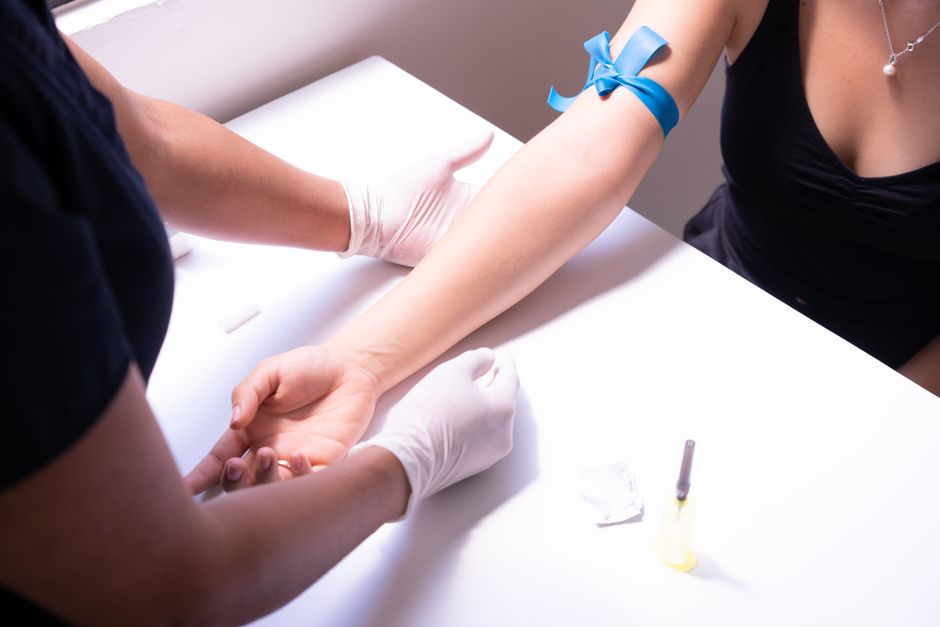
Blood tests check for HIV, syphilis, and herpes. A technician will draw blood from your arm. This takes less than five minutes. If you have any sores or warts, the doctor may look at them visually. They might take a small sample from a sore to test for herpes or syphilis.
Results take different amounts of time depending on the test. A rapid HIV test gives results in about 20 minutes. Most other tests take one to three days. Your clinic will tell you how they will share the results — usually by phone, patient portal, or a follow-up visit.
How Much Does STD Testing Cost Without Insurance?
Costs vary a lot depending on where you go. At a public health clinic or Planned Parenthood, you can expect to pay between $0 and $250 for a full panel of tests. Many clinics use a sliding fee scale. If your income is low, you may pay nothing or a small fee like $20.
At a private doctor’s office or urgent care, the price is higher. A single test for chlamydia can cost $50 to $150. A full panel including HIV, syphilis, chlamydia, and gonorrhea can run $200 to $500. Your insurance usually covers these tests if you have it, but check your plan first.
Free testing is available in most cities. The CDC’s GetTested website lets you search for free clinics near you. Many cities also have mobile testing vans that park in different neighborhoods on set days. These vans offer free testing with no appointment needed.
Some online services offer testing for around $50 to $150 for a panel. You order the kit online, go to a local lab to give your sample, and get results online. These services do not take insurance but can be cheaper than a private doctor visit if you pay out of pocket.




Which STDs Should I Get Tested For?
The CDC recommends that all sexually active adults get tested for HIV at least once. Women under 25 who are sexually active should get tested for chlamydia and gonorrhea every year. Men who have sex with men should get tested for HIV, syphilis, chlamydia, and gonorrhea at least once a year.
If you have new or multiple partners, test more often. The CDC says every three to six months is reasonable for people with multiple partners. If you have symptoms like discharge, burning when you pee, sores, or unusual smells, get tested right away regardless of when you last tested.
Common tests include chlamydia, gonorrhea, syphilis, HIV, herpes, and hepatitis B and C. Trichomoniasis is also common but less often tested for unless you have symptoms. Human papillomavirus (HPV) testing is done for women as part of cervical cancer screening. There is no routine HPV test for men.
Your provider may not automatically test for everything. Studies published in JAMA Internal Medicine found that many doctors do not test for all STDs even when patients ask for a full panel. Be specific. Say “I want to be tested for chlamydia, gonorrhea, syphilis, and HIV.” If you want herpes testing, ask for it directly since it is not part of standard panels.
What Should I Do Before Going for Testing?
Do not pee for at least one hour before your appointment if you might give a urine sample. This helps the test be more accurate. Do not douche or use any vaginal creams or medications for 24 hours before a swab test. These can wash away or hide infections.
If you have symptoms, do not treat them with over-the-counter creams or home remedies before testing. This can make it harder to find the cause. Just go to the clinic as soon as you notice something wrong.
Bring your ID and insurance card if you have them. Many clinics will still see you without ID. Bring a list of any medications you take. If you are nervous, bring a friend. Some clinics allow a support person to stay with you during the visit.
Plan for what happens if you test positive. Most STDs are curable with antibiotics. HIV is not curable but is very treatable. Knowing your status early means you can get treatment and protect your partners. The clinic will help you with next steps, including partner notification if needed.
How Do I Get STD Tested Where To Go And What Happens If I Test Positive?
If you test positive for a bacterial STD like chlamydia, gonorrhea, or syphilis, you will get antibiotics. These are usually a single dose or a week-long course. You take them and the infection clears. You need to avoid sex for seven days after finishing treatment. Your partners from the last 60 days should also get tested and treated.
If you test positive for HIV, the clinic will connect you with a specialist. HIV is managed with daily medication that keeps the virus under control. People with HIV who take their medication properly can live long, healthy lives and can have undetectable viral loads. Undetectable means you cannot pass the virus to others.
Herpes has no cure but is manageable. Antiviral medications reduce outbreaks and lower the risk of passing it to partners. Many people with herpes have few or no symptoms after the first outbreak. The virus stays in your body but does not cause problems for most people most of the time.
The clinic will offer counseling and partner services. Health departments in most states offer free partner notification services. A health worker contacts your partners anonymously to tell them they may have been exposed. Your name is not shared. This helps stop the spread without putting you in an awkward position.
Frequently Asked Questions
Do I need to fast before an STD test?
No. You can eat and drink normally before most STD tests. The only exception is if you are also getting blood work for other conditions that require fasting.
Can I get tested while on my period?
Yes. Menstrual blood does not affect the accuracy of STD tests. You can still give urine samples and blood samples as usual.
How long do STD test results take?
Rapid HIV tests give results in 20 minutes. Most other tests take one to three days to come back from the lab.
Will my parents find out if I get tested?
In all 50 states, people 13 and older can consent to STD testing without parental permission. Results are confidential and protected by privacy laws.
