
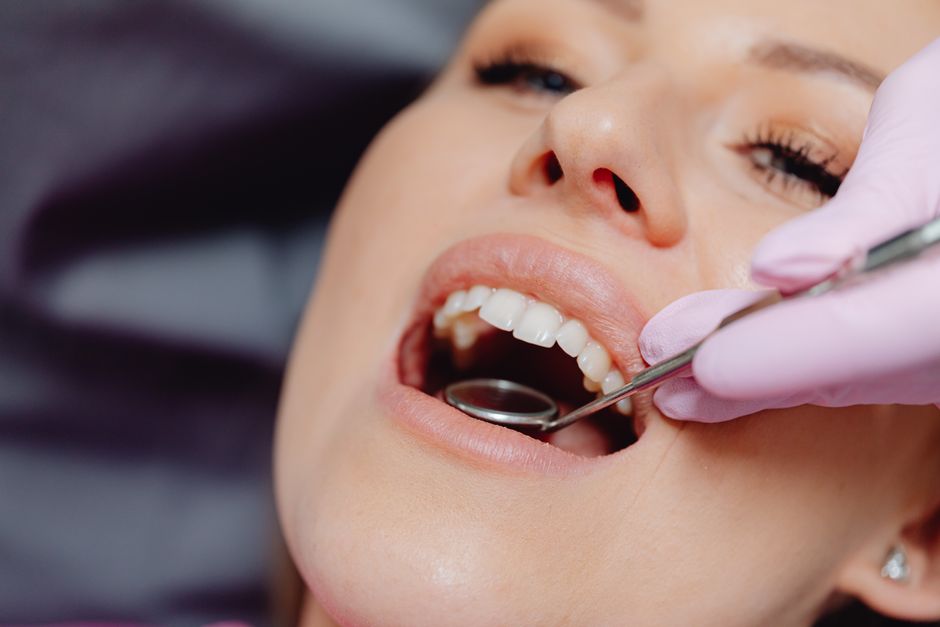
Your incisive papilla is the small bump of tissue right behind your two upper front teeth. When it swells, it usually means that area is irritated or inflamed. The most common causes are minor trauma from eating, burns from hot food, or irritation from your tongue constantly rubbing against it. In most cases, the swelling is temporary and harmless. However, persistent swelling or growth that does not go away within a couple of weeks should be checked by a dentist to rule out more serious conditions.
What Exactly Is the Incisive Papilla?
The incisive papilla is a small, pear-shaped pad of tissue located on the roof of your mouth, directly behind your upper central incisors. It sits over the incisive foramen, which is a small opening in the bone that allows nerves and blood vessels to pass through.
Everyone has this bump. It is a normal part of your oral anatomy. Its size and shape vary slightly from person to person. Some people have a more prominent papilla, which makes them more likely to notice it or accidentally bite it.
The tissue covering the papilla is the same type of firm tissue that covers your gums. It is not a sore or a growth. It has been there since birth, though you may only notice it when it becomes swollen or tender.
Why Is My Incisive Papilla Swollen?
Swelling in this specific spot usually points to one of a few clear causes. The most common is physical irritation. Eating sharp foods like tortilla chips, pretzels, or crusty bread can scratch or press against the papilla. Hot foods and beverages can burn the delicate tissue, causing it to swell within hours.
Another frequent cause is repeated friction. Your tongue naturally rests against the roof of your mouth when you swallow. If you are anxious, have a habit of pressing your tongue against your teeth, or have recently started talking more than usual, that constant pressure can inflame the papilla.
Less commonly, the swelling can come from an infection. The incisive foramen connects to a small canal in the bone. If bacteria enter this area, it can become infected, leading to pain, swelling, and sometimes a bad taste in the mouth. This is rare, but it does happen.
Common Causes of Incisive Papilla Swelling
Here is a breakdown of the most frequent reasons this bump becomes swollen:
- Trauma: Biting the area, eating hard or sharp foods, or brushing too aggressively.
- Thermal burns: Eating or drinking something too hot. The tissue here is thin and burns easily.
- Friction: Constant rubbing from the tongue, especially during long conversations or while sleeping.
- Dental work: Recent fillings, crowns, or cleanings can irritate the area temporarily.
- Oral piercings: A tongue or lip piercing can rub against the papilla and cause chronic irritation.
- Tobacco use: Smoking or chewing tobacco can irritate the tissue and delay healing.
These causes are all mechanical or environmental. None of them require medical treatment beyond giving the area time to heal and avoiding further irritation.




When Swelling Could Signal Something More Serious
Most swollen papillae resolve on their own within a few days. But not all swelling is benign. There are conditions that can cause this bump to enlarge and persist, and they require professional evaluation.
Incisive canal cyst is one such condition. This is a fluid-filled sac that can develop in the bone behind the front teeth. It may push the papilla upward, making it look swollen. These cysts are usually painless but can become infected. They are diagnosed with dental X-rays.
Papillary hyperplasia is another possibility. This is an overgrowth of tissue that often develops in people who wear dentures that do not fit well. The constant pressure and poor hygiene cause the tissue to thicken and form bumps. It is not cancer, but it can become irritated and bleed.
Oral cancer is rare but must be mentioned. A persistent sore, lump, or swelling in the mouth that does not heal within two weeks should always be examined. Most oral cancers occur on the sides of the tongue or the floor of the mouth, but they can develop anywhere in the oral cavity. The incisive papilla is not a common site, but it is possible.
The key difference between harmless swelling and something concerning is time. If the swelling does not go down after 10 to 14 days, or if it continues to grow, see a dentist.
Home Care for a Swollen Incisive Papilla
For the common, everyday causes of swelling, home care is usually enough. The goal is to reduce irritation and let the tissue heal.
Rinse your mouth with warm salt water two to three times a day. Mix half a teaspoon of salt into a glass of warm water. Swish gently for 30 seconds and spit. This helps keep the area clean and can reduce mild inflammation.
Avoid foods that are hard, sharp, spicy, or very hot until the swelling goes down. Soft foods like yogurt, mashed potatoes, and soup are easier on the area. Also avoid alcohol and tobacco while the tissue is healing.
Over-the-counter pain relievers like ibuprofen or acetaminophen can help if the area is painful. Follow the dosing instructions on the package. Do not apply ice directly to the roof of your mouth — this can cause further tissue damage.
If you have a habit of pressing your tongue against the roof of your mouth, try to be mindful of it. Conscious awareness is often enough to break the habit over a few days.
When to See a Dentist
You should make an appointment with a dentist if any of the following apply:
- The swelling lasts longer than two weeks without improving.
- The bump grows in size.
- You have pain that does not respond to over-the-counter pain relievers.
- You notice bleeding from the area without an obvious cause.
- The swelling is accompanied by a fever or difficulty swallowing.
- You have a history of oral cancer or a weakened immune system.
A dentist can examine the area, take X-rays if needed, and determine whether the swelling is a simple irritation or something that requires biopsy or treatment. Do not delay. Early evaluation is always better than waiting to see if something serious resolves on its own.
What a Dentist Will Do
During your appointment, the dentist will visually inspect the papilla and surrounding tissue. They will likely ask about your habits — what you eat, whether you smoke, if you recently had dental work, and how long the swelling has been present.
If the cause is not obvious, they may take a dental X-ray. This shows the bone beneath the papilla and can reveal a cyst or other abnormality. If a cyst is found, it may need to be removed surgically. This is a minor procedure done under local anesthesia.
If the tissue looks suspicious, the dentist may recommend a biopsy. This involves removing a small piece of tissue and sending it to a lab for analysis. A biopsy is the only way to definitively rule out cancer. Most biopsies come back benign, but the test is necessary for certainty.
If the cause is simply trauma or friction, the dentist will confirm that and send you home with the same home care advice described above. No prescription is needed for most cases.
Can You Prevent Incisive Papilla Swelling?
You cannot prevent every instance of swelling. Accidental bites and burns happen. But you can reduce your risk.
Chew carefully, especially when eating hard or crunchy foods. Let hot food and drinks cool before putting them in your mouth. If you wear a retainer or denture, make sure it fits properly and see your dentist regularly for adjustments.
Maintain good oral hygiene. Brush your teeth twice a day, floss daily, and keep your tongue clean. A healthy mouth heals faster and is less prone to infections.
If you notice that your tongue presses against the papilla frequently, consider whether stress or anxiety is driving the habit. Addressing the underlying cause of the tongue pressure can prevent recurring swelling.
Frequently Asked Questions
How long does a swollen incisive papilla take to heal?
Most cases resolve within 3 to 7 days. If it lasts longer than two weeks, see a dentist.
Can a swollen incisive papilla be a sign of cancer?
Rarely, but persistent swelling that does not heal within two weeks should be evaluated by a dentist. A biopsy is the only way to confirm the diagnosis.
Is the incisive papilla a canker sore?
No. The incisive papilla is a normal anatomical structure. A canker sore is a shallow ulcer that forms on the soft tissue inside the mouth and is usually painful.
Should I pop a swollen incisive papilla?
No. Never try to pop or drain it. This can introduce bacteria and cause a serious infection.
