
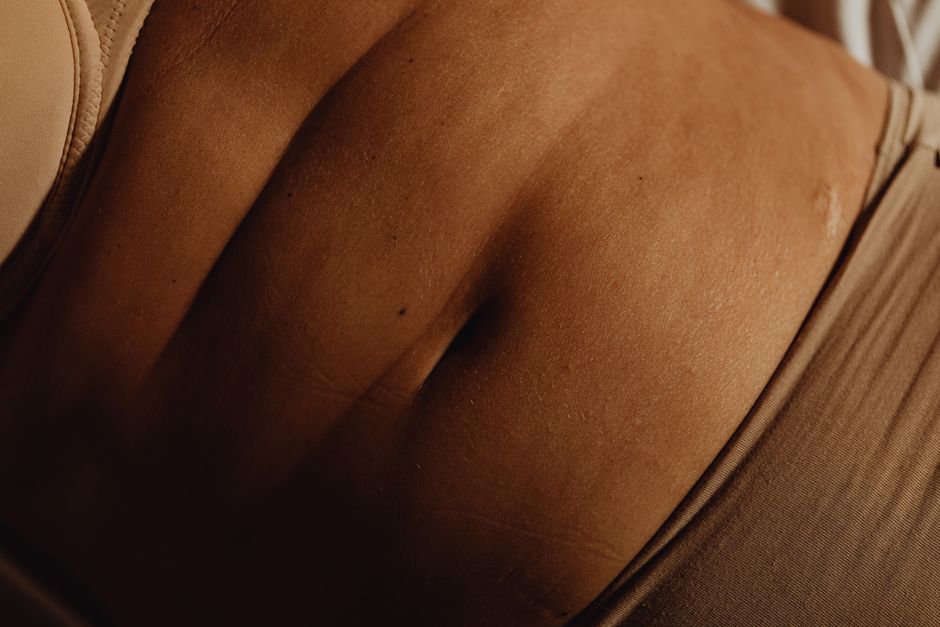
Belly distension is that feeling of pressure and fullness that makes your abdomen look and feel swollen. It is one of the most common reasons people visit a doctor, and in the vast majority of cases it is harmless and temporary. However, distension can occasionally signal a more serious underlying condition. The key is learning to tell the difference between a normal digestive response and a symptom that needs medical attention. If the distension is sudden, severe, or accompanied by warning signs like fever, vomiting, or intense pain, seek medical care promptly.
What Is the Difference Between Bloating and Distension?
People often use these words as if they mean the same thing, but they describe different experiences. Bloating is the subjective feeling of pressure or gas. You feel full and uncomfortable even if your belly does not look any bigger. Distension is an actual measurable increase in your abdominal girth. Your waistband feels tighter, and your stomach visibly protrudes more than usual.
You can have bloating without distension, and you can have distension without feeling bloated. Many people experience both together. Understanding which one you have helps narrow down the possible causes. Bloating alone is often related to how your gut perceives gas and movement. Distension usually involves an actual physical change in the volume of your abdomen — gas, fluid, stool, or tissue.
What Causes a Distended Belly?
The most common causes are related to digestion and everyday habits. Swallowed air, gas produced by gut bacteria, and constipation account for most cases of temporary distension. When you eat quickly, drink through a straw, or chew gum, you swallow extra air. That air travels through your digestive tract and needs to escape. Gas also forms when bacteria in your large intestine ferment undigested carbohydrates. Some people produce more gas than others, and certain foods make this worse.
Constipation is another frequent cause. When stool moves slowly through your colon, it backs up and creates pressure. This delays the passage of gas, which adds to the feeling of fullness. Even mild constipation that you might not think of as a problem can cause noticeable distension.
In women, the menstrual cycle is a common trigger. Hormonal changes in the days before a period can cause fluid retention and slowed digestion. This type of distension usually resolves within a few days.
Why Is My Belly Distended And When Should I Worry?
Most episodes of distension are short-lived and linked to something you ate or drank. If your belly returns to normal within a day and you have no other symptoms, there is generally no cause for concern. You should worry when distension is persistent, progressive, or accompanied by other warning signs.
Seek medical attention if your distension lasts more than a few days without improvement, or if it comes with any of the following:
- Severe or worsening abdominal pain
- Fever
- Persistent vomiting
- Blood in your stool
- Unexplained weight loss
- Difficulty swallowing
- Shortness of breath
- Yellowing of your skin or eyes
Sudden severe pain with a swollen belly is an emergency. So is distension that follows an abdominal injury. If you cannot pass gas or have not had a bowel movement for several days along with pain and swelling, this could indicate a bowel obstruction, which requires urgent care.





What Medical Conditions Cause Belly Distension?
When distension becomes chronic or appears without an obvious dietary trigger, several medical conditions can be responsible. Irritable bowel syndrome (IBS) is one of the most common. IBS affects how your gut moves and how your brain perceives gut sensations. People with IBS frequently report distension that improves after a bowel movement.
Celiac disease is an autoimmune condition where gluten damages the small intestine. Distension and bloating are classic symptoms, along with diarrhea, fatigue, and weight loss. Some research suggests that many people with celiac disease go undiagnosed for years because their symptoms are mild or attributed to other causes.
Small intestinal bacterial overgrowth (SIBO) occurs when bacteria that normally live in the large intestine move up into the small intestine. This can cause excessive gas production and distension after eating. SIBO is diagnosed with a breath test and treated with antibiotics, but symptoms often return.
Gynecological conditions can also cause distension in women. Ovarian cysts, uterine fibroids, and endometriosis can all create pressure and swelling in the lower abdomen. Ovarian cancer is less common but is important to rule out, particularly in women over 50. Persistent bloating that feels new and different from your normal pattern deserves evaluation.
Liver disease, heart failure, and kidney disease can cause fluid to accumulate in the abdomen, a condition called ascites. This type of distension develops gradually and is accompanied by weight gain and swelling in the legs. Ascites always requires medical evaluation.
How Do Digestive Disorders Cause Distension?
The digestive tract is a muscular tube that moves food, gas, and waste along its length. When this movement slows down or becomes uncoordinated, contents accumulate and the belly expands. This is what happens in gastroparesis, a condition where the stomach empties too slowly. People with gastroparesis feel full after eating very little and often have visible distension.
In IBS, the muscles of the intestinal wall may contract too strongly or too weakly. Gas moves through the bowel unevenly, creating pockets of pressure. The gut also becomes more sensitive, so even normal amounts of gas feel uncomfortable. This combination of altered motility and heightened sensitivity explains why people with IBS experience distension even when gas volume is normal.
Food intolerances work differently. When you cannot digest a specific carbohydrate, such as lactose in dairy or fructose in fruit, that undigested sugar reaches the colon intact. Bacteria ferment it rapidly, producing large volumes of gas. This causes distension within hours of eating the offending food. The low-FODMAP diet is designed to identify these triggers by temporarily eliminating fermentable carbohydrates.
Can Medications or Supplements Cause Distension?
Yes. Several common medications list bloating and distension as side effects. These include nonsteroidal anti-inflammatory drugs (NSAIDs) like ibuprofen, certain blood pressure medications, and some antidepressants. Opioid pain medications slow down the entire digestive tract and frequently cause constipation and distension.
Fiber supplements can also cause gas and bloating, especially if you increase your dose too quickly. Your gut bacteria need time to adapt to additional fiber. Starting with a low dose and increasing gradually over several weeks reduces this effect. Sugar alcohols like sorbitol and xylitol, found in sugar-free gum and some protein bars, are poorly absorbed and can cause significant gas.
How Is Belly Distension Evaluated?
A doctor will start by asking about your symptoms and medical history. They will want to know when the distension started, whether it is constant or comes and goes, and what makes it better or worse. They will also ask about your bowel habits, diet, and any medications you take.
The physical exam includes pressing on your abdomen to check for tenderness and listening with a stethoscope for bowel sounds. Depending on what they find, further testing may be needed. Blood tests can check for anemia, infection, or liver and kidney problems. Imaging studies like ultrasound or CT scans can detect fluid, masses, or obstructions. Endoscopy may be recommended if there is concern about the stomach or colon.
For many people, a trial of dietary changes is the first step. Keeping a food diary that tracks what you eat, when you eat it, and how you feel afterward can reveal patterns. Some clinicians recommend a temporary low-FODMAP diet to identify trigger foods, but this should be done with guidance because it is restrictive.
What Can You Do to Reduce Distension?
There is no single remedy that works for everyone because the causes vary so widely. That said, several habits help most people. Eating slowly and chewing thoroughly reduces the amount of air you swallow. Regular physical activity stimulates bowel motility and helps move gas through your system. Staying hydrated softens stool and prevents constipation.
If you notice that certain foods consistently cause distension, try eliminating them one at a time to see if your symptoms improve. Common triggers include carbonated drinks, cruciferous vegetables like broccoli and cabbage, beans, onions, and dairy products. This is not a reason to avoid these foods permanently — it is a way to identify your personal triggers.
Probiotics are widely marketed for digestive health, but the evidence is mixed. Some studies suggest specific strains may help with bloating in people with IBS, while others show no benefit. No clinical evidence currently confirms that any particular probiotic reliably reduces distension across the general population. If you try one, give it several weeks, but do not expect a dramatic result.
When Should You See a Doctor Rather Than Wait?
If your distension is occasional and clearly linked to meals or your menstrual cycle, you can reasonably try dietary adjustments and monitor your symptoms. See a doctor if the distension is persistent, if it interferes with daily activities, or if it is accompanied by pain, fever, or changes in bowel habits that last more than a few weeks.
Do not ignore distension that is getting progressively worse over time. This is especially important if you are over 50, have a family history of ovarian or colorectal cancer, or have unintentionally lost weight. These factors raise the index of suspicion and warrant earlier evaluation. It is always better to have a benign explanation confirmed by a doctor than to worry about an uncertain symptom alone.
Frequently Asked Questions
Why does my belly look pregnant but I am not?
This type of distension is usually caused by trapped gas, constipation, or a combination of both. In women, hormonal bloating around the menstrual cycle is also very common.
Can belly distension be a sign of cancer?
Rarely, but persistent distension can be a symptom of ovarian cancer in women or cancers of the digestive tract. Distension alone is rarely the only symptom, and it requires additional signs like weight loss, pain, or changes in bowel habits.
How long is too long for a distended stomach?
Distension that lasts more than a few days without improvement, or that comes and goes for more than two weeks, should be evaluated by a doctor. Sudden severe distension with pain or vomiting requires immediate medical attention.
Does drinking more water help with belly distension?
Yes, if the cause is constipation or high sodium intake. Water helps move stool through the colon and can reduce fluid retention, but it will not help distension caused by gas from food fermentation.
