
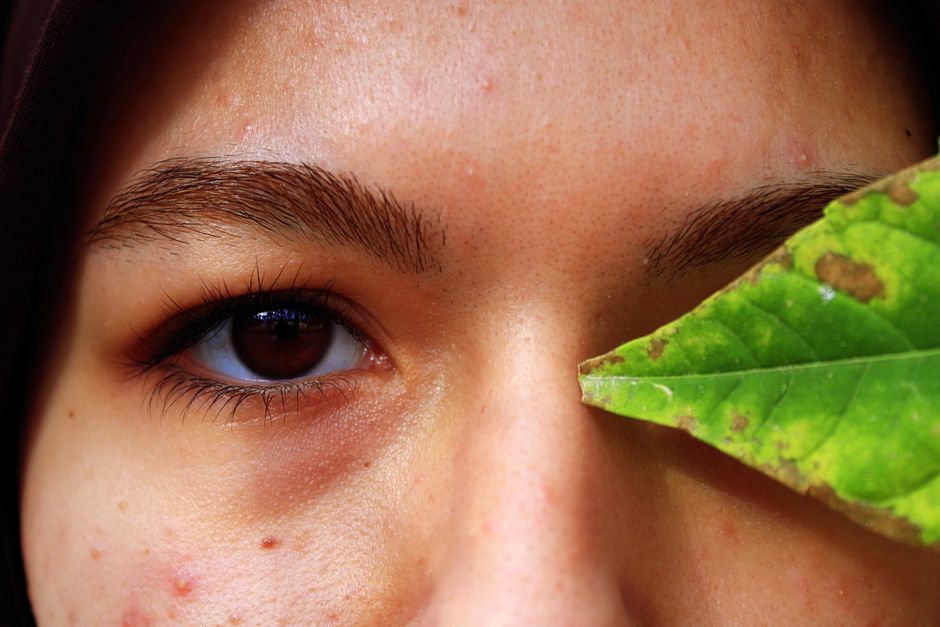
You feel a tiny flutter near your eyebrow, and it will not stop. It happens several times a day for a few seconds at a time. You might wonder if something is wrong with your nerves or your brain. This kind of twitching is almost always harmless. It is called a benign muscle spasm or myokymia. Most cases go away on their own within days or weeks. You usually do not need to worry. But there are a few signs that deserve a doctor’s attention.
What Causes Eyebrow Twitching?
Eyebrow twitching happens when a small muscle near the eye contracts on its own. These muscles are controlled by the facial nerve. When the nerve fires extra signals, the muscle twitches. This is not a seizure or a serious neurological problem in most cases.
The medical name for this common type of twitching is myokymia. It is different from blepharospasm, which involves the entire eyelid squeezing shut. Myokymia affects only a tiny bundle of muscle fibers. You can usually see the twitching skin but it does not close the eye or cause pain.
Researchers do not know exactly why myokymia starts. But certain triggers are well documented.
Common Triggers and Risk Factors
The most reported triggers include fatigue, stress, caffeine, and eye strain. Many people get twitching when they are sleep deprived or working long hours at a computer screen. Alcohol and smoking may also play a role. Some studies suggest that nutritional factors like low magnesium or potassium could contribute, but the evidence is not strong.
Fatigue is the most consistent trigger. The muscles around the eye are among the most active in the body. When you are tired, the nerve endings may become more excitable. That can cause random firing.
Caffeine is another common factor. Caffeine stimulates the nervous system. In sensitive people, even one or two cups of coffee can trigger twitching. Cutting back often helps.
Eye strain from digital screens, uncorrected vision problems, or bright lights may also trigger twitching. The muscles work harder to focus, and they may fatigue faster.
Dry eyes are a less known but real cause. When the surface of the eye is dry, the nerves send extra signals to the muscles to blink and lubricate. This can cause twitching in the brow area as well.
Why Is My Eyebrow Twitching And Should I Worry?
This is the exact question most people search. Here is the short answer: In the vast majority of cases, no, you should not worry. Eyebrow twitching is almost always a benign, temporary problem. It is not a sign of a stroke, a tumor, or a degenerative brain disease.
Studies have found that myokymia is extremely common. Nearly everyone experiences it at some point. It usually resolves without any treatment within a few days to a few weeks. Even when it lasts longer, it is still typically harmless.
However, there are situations where twitching can signal something more serious. If the twitching spreads to other parts of your face, if your eyelid starts to close involuntarily, or if you have other symptoms like weakness, numbness, or vision changes, you should see a doctor.




When Should You Be Concerned?
Most eyebrow twitching does not need medical care. But there are red flags that should prompt a visit to your primary care doctor or a neurologist.
- Twitching that spreads to your cheek, mouth, or neck
- Twitching that causes your eyelid to close fully (blepharospasm)
- Twitching that lasts more than a few weeks without improvement
- Twitching combined with facial weakness or drooping — this could be Bell’s palsy or a stroke
- Twitching that happens on both sides of your face at the same time
- Eye redness, swelling, or discharge — this could indicate an infection
If you have any of these, do not assume it is just a passing spasm. A doctor can examine your facial nerve function and rule out conditions like hemifacial spasm or blepharospasm. These are treatable but require a proper diagnosis.
One important thing to know: a simple twitch is not a stroke symptom by itself. Stroke causes sudden weakness, not isolated twitching. But if you have twitching plus other stroke signs — like one-sided arm or leg weakness, trouble speaking, or vision loss — call 911 immediately.
How to Stop Eyebrow Twitching
There is no single proven cure for myokymia because it usually stops on its own. But many people find that reducing triggers helps speed recovery.
Get more sleep. Fatigue is the number one trigger. Aim for seven to eight hours per night. If you have been skimping on sleep, the twitching may resolve once you catch up.
Cut down on caffeine. Try eliminating coffee, tea, soda, or energy drinks for a week. If the twitching stops, you have found your trigger. You may be sensitive to even small amounts.
Reduce eye strain. Follow the 20-20-20 rule: every 20 minutes, look at something 20 feet away for 20 seconds. Use artificial tears if your eyes feel dry. Consider getting an eye exam if you have not had one recently — uncorrected farsightedness or astigmatism can make eye muscles work harder.
Manage stress. Stress itself may not be a direct cause, but it often leads to poor sleep, more caffeine, and tension in the facial muscles. Relaxation techniques like deep breathing or a short walk may help.
Gentle massage and warm compresses. Some people find that lightly massaging the brow area or applying a warm cloth for a few minutes relaxes the muscle. There is no clinical evidence that this stops the spasm, but it is safe and may feel soothing.
Consider your diet. While the evidence for magnesium or potassium deficiency causing twitching is weak, a balanced diet is always a good idea. Foods rich in magnesium include leafy greens, nuts, seeds, and whole grains. If you think you might be low, you can try a food-first approach. Supplements are not recommended without a doctor’s guidance because too much magnesium can cause side effects.
Do not try any over-the-counter eye drops for twitching unless your eyes are dry. Some drops contain preservatives that can irritate the eye further. If you use artificial tears, choose preservative-free ones for regular use.
In rare cases where twitching persists and bothers you significantly, a doctor may prescribe medications like muscle relaxants or even botulinum toxin injections (Botox). Botox temporarily paralyzes the overactive muscle fibers. This is not a first-line treatment for simple myokymia, but it is used for more severe conditions like blepharospasm.
Eyebrow Twitching in Children and Teens
Children also get eyebrow twitching. The causes are the same as in adults. Fatigue, screen time, and caffeine from soda or energy drinks are common triggers. The condition is benign in children too. However, if a child has twitching along with tics, eye blinking, or facial grimacing, it may be a sign of a transient tic disorder. This usually goes away on its own but a pediatrician can evaluate.
Do not delay a doctor visit if the child’s eyelid starts closing involuntarily or if the twitching interferes with vision. That could be blepharospasm, which is treatable even in younger patients.
When to See a Specialist
If you have already tried reducing triggers and the twitching continues for more than three weeks, see your primary care doctor. They may refer you to a neurologist if there is concern about a nerve disorder.
A neurologist will take a history and do a brief neurological exam. They may test your facial strength and coordination. In most cases, no further testing is needed. If they suspect a structural cause like a blood vessel pressing on a nerve, they may order an MRI. This is rare.
If the twitching is purely cosmetic and you want it gone fast, a dermatologist or plastic surgeon can inject a tiny amount of Botox into the brow muscle. This is considered a cosmetic procedure, not a medical treatment for myokymia. It is effective but temporary — lasting three to four months.
Frequently Asked Questions
Can stress cause eyebrow twitching?
Yes, stress is a common trigger. It often leads to fatigue, muscle tension, and changes in sleep and diet that can make twitching more likely.
How long does eyebrow twitching usually last?
Most benign twitching lasts from a few days to a few weeks. If it persists longer than three weeks without improvement, a medical check is reasonable.
Is eyebrow twitching a sign of a stroke?
No. Stroke causes sudden weakness, numbness, or paralysis on one side of the body, not isolated twitching. But if you have twitching plus other stroke symptoms, call 911.
What vitamin deficiency causes eyebrow twitching?
Some research suggests that low magnesium or potassium may contribute, but the evidence is limited. A balanced diet is the best approach. Do not supplement without a doctor’s advice.
