
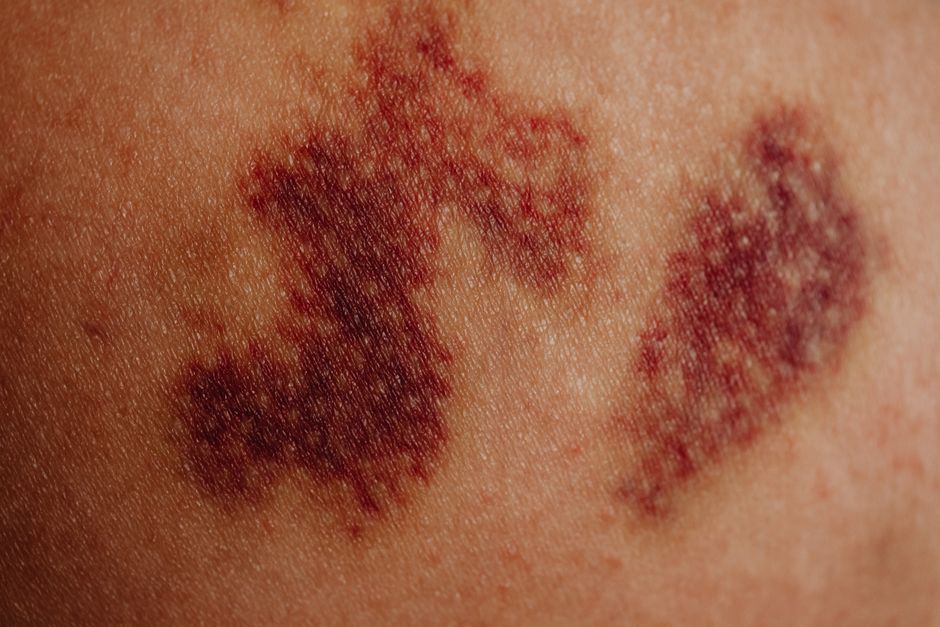
A bruised and swollen ankle is your body’s response to an injury, but not every injury is the same. The most common cause is a sprain, where ligaments stretch or tear. However, bruising and swelling can also signal a broken bone, a tendon injury, or even a problem with blood vessels. Knowing the difference matters because treatment ranges from simple rest to surgery.
What Happens Inside Your Ankle When It Bruises?
Bruising means blood has leaked from damaged blood vessels into the surrounding tissue. When you twist your ankle, the force stretches or tears small capillaries. Blood pools under the skin, creating that blue, purple, or black mark. Over days, the body breaks down that blood, and the bruise changes color to green or yellow before fading.
Swelling is a separate process. Injured cells release chemicals that make blood vessels leak fluid into the tissue. White blood cells arrive to clean up damage. This fluid accumulation causes the puffiness you see. Both bruising and swelling are normal inflammatory responses, not signs that something is wrong with your healing process.
Why Is My Ankle Bruised And Swollen? The Most Common Causes
Ankle sprains cause most ankle bruising and swelling. A sprain happens when the ankle rolls inward or outward beyond its normal range. The ligaments on the outside of the ankle, especially the anterior talofibular ligament, are the most commonly injured. These ligaments can stretch slightly or tear completely.
Fractures are the second major cause. You can break the fibula, the smaller bone in your lower leg, or the talus bone in the foot. Some fractures cause immediate severe pain. Others cause only moderate discomfort that feels like a bad sprain. This is why doctors often order X-rays even for injuries that seem minor.
Tendon injuries also cause bruising and swelling. The peroneal tendons run behind the outer ankle bone. They can tear or move out of position. Achilles tendon injuries cause swelling and bruising at the back of the ankle, above the heel.
When Bruising Appears Without a Clear Injury
Sometimes ankle bruising and swelling happen without a remembered twist or fall. This situation deserves attention because the cause may not be mechanical. Blood thinner medications, including aspirin, warfarin, and newer anticoagulants, increase bleeding risk. Even minor unnoticed bumps can cause significant bruising when you take these drugs.
Blood vessel problems can also cause spontaneous bruising. Varicose veins weaken the walls of leg veins. A varicose vein can rupture, causing bruising and swelling around the ankle. Deep vein thrombosis, a blood clot in a deeper leg vein, typically causes swelling without bruising, but bruising can occur in some cases.
If you have frequent bruising in multiple body areas, bleeding disorders or low platelet counts may be involved. Bruising that appears without injury, especially if you are not on blood thinners, warrants a medical evaluation.




How to Tell a Sprain From a Break
Distinguishing a sprain from a fracture without medical imaging is difficult. Some clues help, but none are definitive. Severe pain directly over a bone, especially the outer ankle bone or the base of the fifth toe, suggests a fracture. An inability to bear weight for more than four steps immediately after injury also raises concern for a break.
Doctors use the Ottawa Ankle Rules to decide who needs X-rays. These rules state that X-rays are needed if you have bone tenderness or cannot bear weight immediately after the injury and for four steps in the emergency department. These rules are well validated and help avoid unnecessary imaging.
However, some fractures cause minimal pain and allow weight bearing. Some severe sprains cause intense pain that mimics a break. If you are unsure, get medical evaluation. An untreated fracture can lead to arthritis or improper healing.
Immediate Care: What to Do in the First 48 Hours
The first two days after an ankle injury shape your recovery. The RICE protocol — rest, ice, compression, elevation — remains the standard initial approach. Rest means avoiding weight on the injured ankle. Use crutches if walking is painful.
Ice reduces swelling and numbs pain. Apply an ice pack wrapped in a thin towel for 15 to 20 minutes every two to three hours. Never apply ice directly to skin, as this can cause frostbite. Continue icing for the first 48 hours after injury.
Compression with an elastic bandage limits swelling. Wrap from the toes upward, keeping the bandage snug but not tight. If your toes turn blue or feel numb, the wrap is too tight. Elevation above heart level helps fluid drain away from the ankle. Prop your foot on pillows while lying down.
Over-the-counter pain relievers like ibuprofen or naproxen reduce both pain and inflammation. Acetaminophen reduces pain but does not address inflammation. Follow the dosing instructions on the package. If you have kidney disease, stomach ulcers, or take blood thinners, ask a pharmacist or doctor before using these medications.
When Ankle Bruising Signals a Medical Emergency
Most ankle injuries improve with home care. Some situations require immediate medical attention. Seek emergency care if your ankle looks deformed or out of place, if you heard a popping or tearing sound at the moment of injury, or if you cannot bear any weight at all.
Numbness or tingling in your foot suggests possible nerve compression. Skin that looks pale or feels cold may indicate compromised blood flow. These signs require urgent evaluation. So does severe pain that worsens despite rest and elevation.
If you have diabetes or peripheral artery disease, seek medical care earlier rather than later. These conditions impair healing and increase infection risk. What looks like a simple sprain may become a serious problem without proper treatment.
Recovery Timeline and When to See a Doctor
Mild sprains typically improve within one to two weeks. Moderate sprains may take three to six weeks. Severe sprains with complete ligament tears can require several months of recovery, sometimes with physical therapy or surgery. Fractures generally require four to eight weeks of immobilization in a cast or boot.
See a doctor if you cannot bear weight after two days, if swelling does not improve after three to five days, or if pain is not controlled with over-the-counter medication. Bruising that spreads extensively up your leg or down into your foot also warrants evaluation. Persistent instability — your ankle feeling like it will give way — after the initial healing period suggests ligament damage that needs assessment.
Delayed treatment of ligament injuries increases the risk of chronic ankle instability. Repeated sprains weaken the ligaments further. A doctor can assess ligament integrity with physical examination and, if needed, imaging such as MRI. Physical therapy strengthens the muscles around the ankle and improves balance, reducing future injury risk.
Frequently Asked Questions
How long does ankle bruising take to heal?
Most ankle bruising fades within one to two weeks. Severe injuries with more blood pooling may take three weeks or longer for the bruise to completely disappear.
Can I walk on a bruised and swollen ankle?
Walking is acceptable if you can bear weight without severe pain. If walking causes significant pain or your ankle feels unstable, use crutches and see a doctor.
Is heat or ice better for a swollen ankle?
Ice is better during the first 48 hours after injury because it reduces swelling. Heat can be used after that for stiffness, but ice remains appropriate if swelling persists.
When should I worry about ankle bruising?
Worry if the bruising appeared without injury, if you cannot bear weight, if your foot is numb or cold, or if you take blood thinners and have significant swelling. These situations warrant medical evaluation.
