
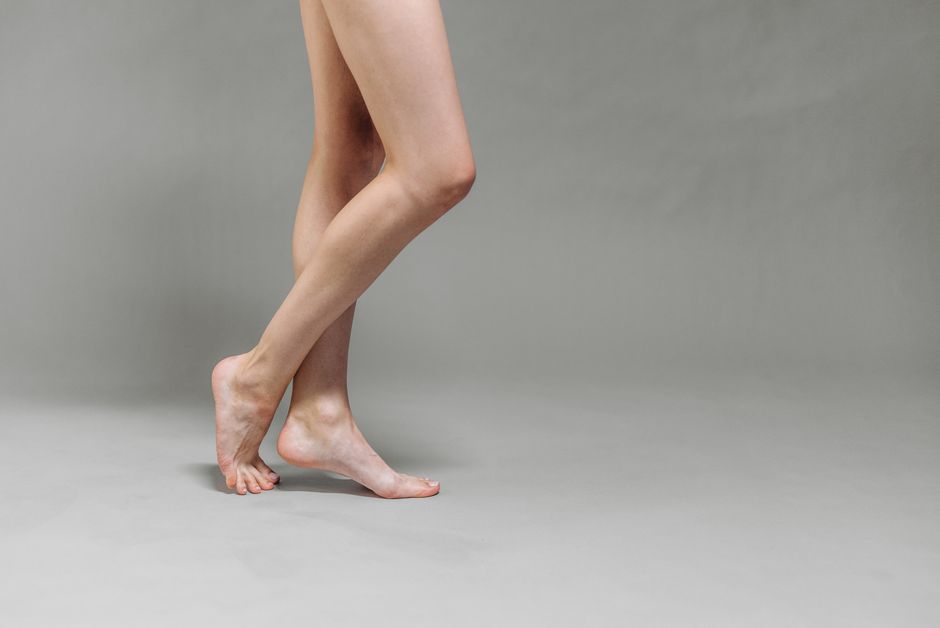
Swollen ankles and feet happen when fluid builds up in the tissues, and gravity pulls it down to your lower body. This condition, called edema, can stem from something as simple as sitting too long or as serious as heart failure. Most causes are not emergencies, but knowing the difference matters.
What Is the Most Common Cause of Swollen Ankles and Feet?
Gravity is the most common cause. When you sit or stand for hours without moving, blood and fluid pool in your legs. The veins in your legs rely on muscle movement to push blood back up to your heart. Without that pump, fluid leaks into surrounding tissue.
Pregnancy is another very common cause. The body holds more fluid during pregnancy, and the growing uterus presses on veins that return blood from the legs. The American College of Obstetricians and Gynecologists reports that mild swelling in the feet and ankles is normal during pregnancy, especially in the third trimester.
Hot weather can also cause swelling. Heat expands blood vessels, and fluid seeps out into the tissue more easily. This is usually temporary and resolves when you cool down.
Diet plays a role too. A high-sodium meal can cause your body to retain water. If you ate a salty dinner and woke up with puffy ankles, that is likely the reason. The kidneys hold onto water to dilute the extra salt, and that extra fluid ends up in your lower legs.
When Should You Worry About Swollen Ankles and Feet?
Sudden swelling in one leg is a red flag. This could be a blood clot, called deep vein thrombosis (DVT). The CDC estimates that up to 900,000 Americans are affected by DVT each year. If one leg is swollen, warm, red, or painful, seek medical help right away. A clot can travel to your lungs and be fatal.
Swelling in both legs that comes on gradually is less urgent but still needs attention. If you also feel short of breath, get tired easily, or wake up gasping at night, your heart may not be pumping well enough. Heart failure causes fluid to back up in the body, and the legs show it first.
Pitting edema is a sign worth noting. Press your finger into the swollen area for a few seconds. If an indentation stays after you remove your finger, that is pitting edema. It means more fluid is present than normal. Non-pitting edema can mean a different problem, like a thyroid disorder or lymphatic blockage.
What Medical Conditions Cause Swollen Ankles and Feet?
Several chronic conditions can cause this symptom. Here is a breakdown of the most common ones and what makes each distinct.
| Condition | Key Features | What to Watch For |
|---|---|---|
| Heart failure | Both legs swell, worsens during the day | Shortness of breath, fatigue, waking up breathless |
| Kidney disease | Swelling all over, especially around eyes | Foamy urine, decreased urination, high blood pressure |
| Liver cirrhosis | Swelling in legs and belly (ascites) | Yellow skin, easy bruising, confusion |
| Venous insufficiency | Veins cannot push blood back up | Varicose veins, skin changes, leg heaviness |
| Lymphedema | Non-pitting swelling from blocked lymph vessels | History of lymph node surgery or radiation |
| Thyroid disease | Non-pitting swelling, often around shins | Weight changes, fatigue, temperature sensitivity |
Venous insufficiency is one of the most underdiagnosed causes. The valves in your leg veins stop working properly, and blood pools in the lower legs. A study published in the Journal of Vascular Surgery found that nearly 30% of adults over 50 have some form of venous insufficiency. Many do not know it.
Kidney disease causes swelling because the kidneys cannot remove enough sodium and water from the body. The swelling tends to be more generalized, not just in the ankles. You might notice puffiness in your hands or around your eyes in the morning.





What Medications Cause Swollen Ankles and Feet?
Many common medications list edema as a side effect. This does not mean the drug is bad for you, but it is worth knowing if your pills could be causing the problem.
Blood pressure medications called calcium channel blockers are a frequent cause. Drugs like amlodipine and nifedipine relax blood vessels, but they also let fluid leak out into tissue. Research shows that up to 10% of people taking these drugs develop ankle swelling. The swelling is not dangerous, but it can be uncomfortable.
Nonsteroidal anti-inflammatory drugs (NSAIDs) like ibuprofen and naproxen can cause fluid retention. These drugs affect kidney function, making the body hold onto salt and water. If you take them daily for arthritis or chronic pain, your ankles may swell as a result.
Steroids, both oral and topical, can cause fluid retention. Prednisone is a common culprit. Hormone therapies, including estrogen and testosterone, can also lead to swelling. Antidepressants in the MAOI class sometimes cause edema as well.
If your swelling started after you began a new medication, talk to your doctor. Do not stop taking prescribed drugs on your own. Your doctor may adjust the dose or switch you to a different class of medication.
What Lifestyle Factors Contribute to Swollen Ankles and Feet?
Prolonged sitting is one of the biggest contributors. Long flights, car trips, or desk jobs keep your legs still for hours. Without movement, blood pools in the veins. The fluid then leaks into the tissue. This is sometimes called “traveler’s edema” and usually resolves within a day.
Obesity puts extra pressure on the veins in your legs. The more weight your legs carry, the harder the veins have to work to push blood back up. Over time, this can damage the vein valves and cause chronic swelling. The American Heart Association notes that obesity is a major risk factor for venous insufficiency.
Standing all day is just as bad as sitting all day. People who work on their feet, like nurses, teachers, and retail workers, often develop ankle swelling by evening. The lack of muscle contraction in the calves when standing still does not help move blood upward.
Wearing tight clothing or shoes can restrict blood flow. Compression around the waist from tight pants or belts can make it harder for blood to return from the legs. High heels also reduce the natural calf muscle pump that keeps blood moving.
What Can You Do to Reduce Swollen Ankles and Feet?
Movement is the simplest fix. Walk around every hour if you sit at a desk. Flex and point your feet while sitting to activate the calf pump. Even small movements help push fluid back up.
Elevation works because it uses gravity in your favor. Lie down and prop your feet above heart level for 15-20 minutes. This allows fluid to drain back into your circulation. Do this several times a day if swelling is chronic.
Compression socks are backed by strong evidence. They apply graduated pressure, tightest at the ankle and looser higher up. This helps veins push blood upward. A review in the Journal of Vascular Surgery found that compression stockings significantly reduce leg swelling in people with venous insufficiency. They are available over the counter in different pressure levels.
Reduce salt intake. The American Heart Association recommends no more than 2,300 mg of sodium per day, with an ideal limit of 1,500 mg for most adults. Most of the salt in the American diet comes from processed foods, restaurant meals, and packaged snacks. Cutting back can reduce fluid retention noticeably within days.
Stay hydrated. It sounds counterintuitive, but drinking enough water helps your kidneys flush out excess sodium. When you are dehydrated, your body holds onto every bit of fluid it can.
What Does Research on What Causes Swollen Ankles And Feet Show?
Research published in the New England Journal of Medicine outlines three main mechanisms for edema: increased capillary pressure, decreased plasma protein, and lymphatic blockage. Most causes of swollen ankles and feet fall into one of these three categories.
Increased capillary pressure happens when blood cannot move out of the legs efficiently. This is what occurs in heart failure, venous insufficiency, and prolonged sitting. The pressure forces fluid through the capillary walls into the tissue.
Decreased plasma protein means the blood cannot hold onto fluid as well. This happens in liver disease and kidney disease. The liver makes albumin, a protein that keeps fluid inside blood vessels. When albumin levels drop, fluid leaks out. The kidneys can also lose protein through urine, causing the same problem.
Lymphatic blockage prevents the lymph system from draining fluid away. This can happen after lymph node surgery, radiation, or from infections. Lymphedema is the result, and it tends to be non-pitting and progressive.
Some studies suggest that magnesium deficiency may contribute to fluid retention. Magnesium helps regulate fluid balance in cells. However, the evidence is not strong enough to recommend magnesium supplements for edema. More research is needed.
Common Misconceptions About Swollen Ankles and Feet
Myth: Drinking less water will reduce swelling. This is false. Dehydration makes fluid retention worse. Your body holds onto every drop when it senses low water intake. Drinking adequate water helps your kidneys flush out excess sodium and fluid.
Myth: Swelling always means heart failure. This is not true. Most cases of ankle swelling are from benign causes like sitting too long, hot weather, or high salt intake. Heart failure is serious but far less common.
Myth: Diuretics (water pills) are the best treatment. Diuretics can help in some conditions like heart failure, but they are not a first-line treatment for most causes of leg swelling. Taking them without a doctor’s supervision can cause dehydration and electrolyte imbalances. They also do not address the underlying cause.
Myth: Only older people get swollen ankles. People of any age can experience edema. Athletes can get it after long flights. Pregnant women get it. People who stand all day at any age can develop it. Age is a risk factor, not a requirement.
Myth: Compression socks are only for elderly people. Compression socks are used by athletes, pregnant women, frequent flyers, and anyone with venous insufficiency. They are a tool, not a sign of frailty.
What to Avoid When You Have Swollen Ankles and Feet
Avoid sitting or standing in one position for more than an hour. Set a timer if you need to. Get up and walk for two minutes. This alone can prevent fluid from pooling.
Avoid wearing socks with tight elastic bands at the top. They can act like a tourniquet and make swelling worse. Look for non-binding socks or compression socks that apply even pressure.
Avoid crossing your legs when sitting. This puts pressure on the veins behind your knees and reduces blood flow from your lower legs. Keep both feet flat on the floor or on a footrest.
Avoid high-sodium processed foods for a few days if swelling is bothersome. Canned soups, frozen dinners, deli meats, and fast food are loaded with salt. Cooking fresh meals for a few days can make a noticeable difference.
Avoid self-prescribing diuretics. Over-the-counter water pills are available, but they can be dangerous if you do not know why you are swelling. They can also mask a serious underlying condition.
Frequently Asked Questions
Can dehydration cause swollen ankles?
Yes, dehydration can paradoxically cause fluid retention. When your body senses low water levels, it holds onto sodium and water, which can lead to swelling.
How long does it take for swollen ankles to go down?
It depends on the cause. Swelling from sitting or salt usually resolves within 24 hours. Swelling from chronic conditions like venous insufficiency may require ongoing management.
Is walking good for swollen ankles?
Yes, walking activates the calf muscle pump, which helps push blood and fluid back up from your legs. It is one of the best things you can do for mild edema.
Should I see a doctor for swollen ankles?
See a doctor if swelling is sudden, only in one leg, accompanied by chest pain or shortness of breath, or does not improve with rest and elevation.
