
What Causes a Bone Contusion?
A bone contusion happens when a force hits the bone hard enough to damage the tissue inside it. The outer shell of the bone stays intact, but the inner structure — the trabecular bone — gets crushed or compressed. This causes tiny blood vessels to break. Blood and fluid then pool inside the bone, which leads to swelling and pain.
Common causes include sports injuries, car accidents, and falls. Landing hard on your knees or elbows during a game like basketball or football is a classic example. Another common cause is twisting or crushing a joint, like jamming a finger or twisting an ankle. The force does not have to be enough to cause a fracture, but it must be strong enough to injure the bone tissue.
How Is a Bruised Bone Different From a Fracture?
This is the most common question people have. The main difference is structural. A fracture means the bone has cracked or broken into two or more pieces. A bone contusion means the bone is still in one piece, but it is damaged inside.
Here is a quick comparison of the two injuries:
| Feature | Bone Contusion | Fracture |
|---|---|---|
| Bone Structure | Intact outer shell, damaged inner tissue | Cracked or broken through |
| Pain Level | Deep, aching pain | Sharp, intense pain |
| Swelling | Moderate, often around the joint | Can be severe and rapid |
| Healing Time | Weeks to months | Months, often with a cast or surgery |
| Treatment | Rest, ice, compression, elevation (RICE) | Immobilization, possible surgery |
The tricky part is that a bone contusion can feel very similar to a stress fracture. Both cause deep pain and swelling. An X-ray often cannot tell the difference. Doctors sometimes need an MRI to see the damage inside the bone. Research published in the Journal of Bone and Joint Surgery notes that bone contusions are commonly missed on standard X-rays, which is why they are sometimes called “occult” fractures.
What Are the Symptoms of a Bruised Bone?
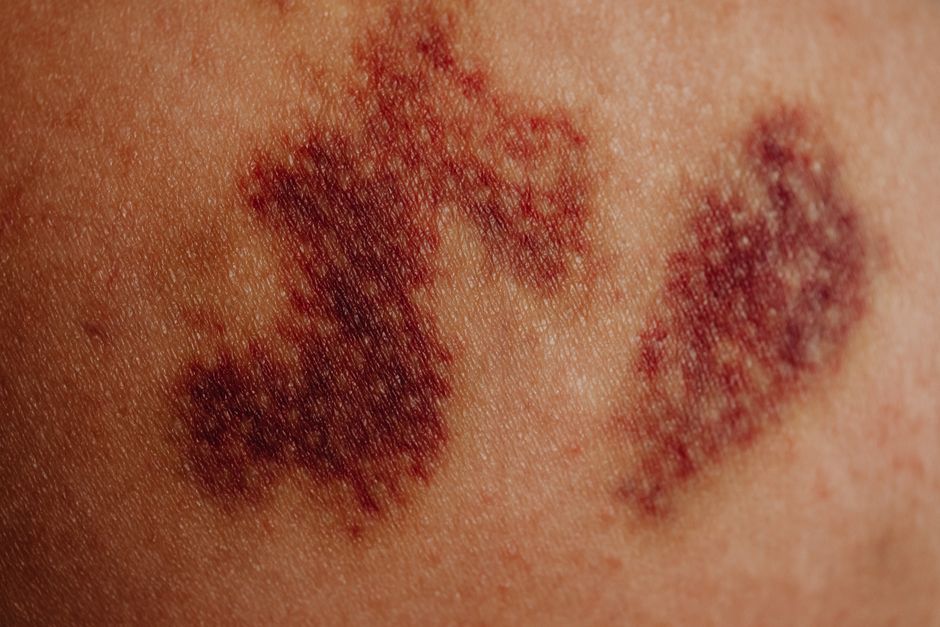
Symptoms usually appear within a few hours of the injury. The most obvious sign is a deep, persistent ache that gets worse when you put weight on the area or move the joint. You will likely see swelling around the site. The skin might look bruised in the days after the injury, but not always.
Common symptoms include:
- Deep, throbbing pain that does not go away with rest
- Swelling that feels firm and tight
- Stiffness in the nearby joint
- Tenderness when you press on the bone
- Difficulty moving the affected limb or joint normally
Some people report a feeling of “heaviness” in the limb. If the contusion is in a leg or foot, walking can be painful. If it is in an arm or hand, gripping or lifting may hurt. The pain is often worse at night or after periods of inactivity, similar to how a deep bruise on skin can ache after you stop moving.





How Do You Treat a Bruised Bone at Home?
Treatment for a bone contusion starts with the RICE method. This stands for Rest, Ice, Compression, and Elevation. The goal is to reduce swelling and bleeding inside the bone.
Rest the injured area for at least 48 to 72 hours. Do not put weight on it if you can avoid it. Ice the area for 15 to 20 minutes every 2 to 3 hours. Wrap the ice in a thin cloth — never put ice directly on the skin. Compression with an elastic bandage can help control swelling. Keep the injured limb elevated above your heart when possible, especially for the first few days.
Over-the-counter pain relievers like ibuprofen (Advil) or naproxen (Aleve) can help with pain and inflammation. Acetaminophen (Tylenol) can help with pain but does not reduce swelling. Avoid taking ibuprofen or aspirin for the first 24 hours if there is a lot of bleeding, as they can thin the blood and make the bruise worse. Some studies suggest that topical arnica gel may help reduce bruising, but the evidence is not strong.
When Should You See a Doctor for a Bruised Bone?
You should see a doctor if the pain is severe, if you cannot move the joint at all, or if the swelling does not go down after a few days of home treatment. If you cannot put any weight on a leg or foot, or if your arm feels numb or weak, seek medical attention.
A doctor can perform an exam and may order an X-ray or MRI. An MRI is the best way to see a bone contusion clearly. The American Academy of Orthopaedic Surgeons recommends imaging if the pain is out of proportion to the injury or if it does not improve after 10 to 14 days.
Go to the emergency room if you have numbness, tingling, or loss of feeling in the limb. These can be signs of compartment syndrome, a rare but serious condition where swelling cuts off blood flow to the muscles and nerves. This is more common in severe injuries to the shin or forearm.
How Long Does It Take for a Bruised Bone to Heal?
Healing time varies depending on the severity of the contusion and which bone is injured. Most bone contusions heal within 4 to 8 weeks. Some deeper contusions, especially in the knee or hip, can take 3 to 6 months to fully resolve.
The healing process involves the body absorbing the pooled blood and repairing the damaged bone tissue. During this time, the bone is weaker than normal. You can re-injure it more easily if you return to sports or heavy activity too soon. A study in Radiology found that bone contusions in the knee can take up to 12 months to completely heal on MRI scans, even though the person feels better much sooner.
Return to activity gradually. Start with gentle range-of-motion exercises, then move to light strengthening, and finally return to full activity. A physical therapist can guide you through this process safely.
Frequently Asked Questions
Can you walk on a bruised bone?
You can walk on a bruised bone in the foot or leg, but it will be painful. It is best to rest and avoid putting weight on it for the first few days.
Does a bone contusion show up on an X-ray?
A bone contusion usually does not show up on a standard X-ray. An MRI is the best imaging test to see the injury clearly.
Is a bone contusion worse than a fracture?
No, a fracture is generally a more serious injury because the bone is broken. However, a severe bone contusion can be just as painful and take just as long to heal.
Can you get a bone bruise from a fall?
Yes, falls are a very common cause of bone contusions. Landing on a hard surface directly on a bone, like the kneecap or elbow, often causes this injury.
