
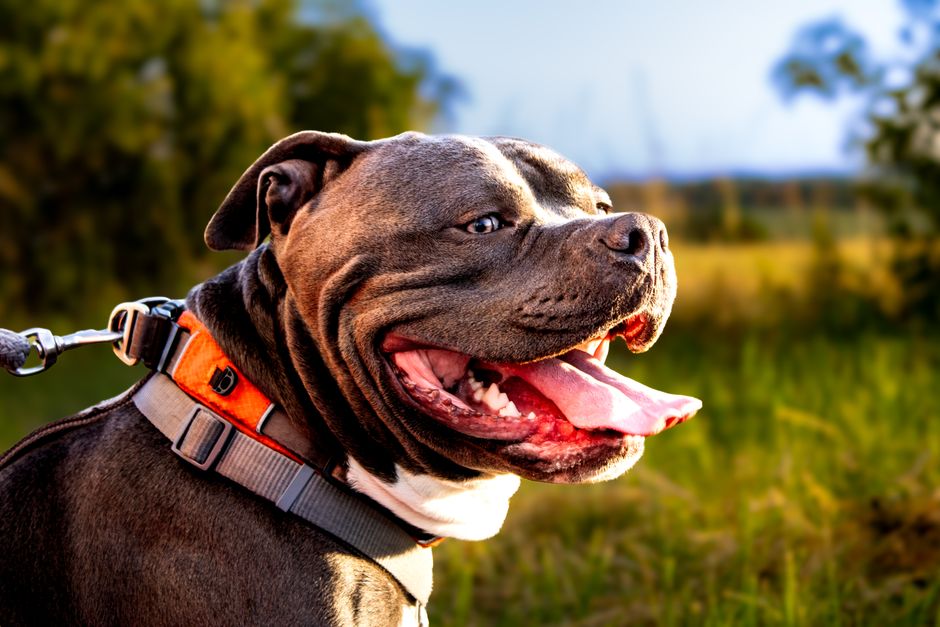
Hair loss in an American Bully is rarely normal shedding. It usually points to an underlying issue that needs attention, ranging from allergies and infections to hormonal problems or parasites. The eight most common causes are environmental allergies, food allergies, bacterial infections, fungal infections like ringworm, demodectic mange, hypothyroidism, pressure sores, and self-trauma from itching or licking.
What Are the 8 Causes of Hair Loss in American Bullies?
American Bullies have short, stiff coats and sensitive skin. Their genetic makeup makes them prone to certain skin conditions. When you notice bald patches, thinning fur, or excessive shedding, one of these eight problems is usually behind it.
Some causes are easy to treat. Others require long-term management. The key is identifying the real trigger rather than guessing with over-the-counter products.
1. Environmental Allergies
Pollen, dust mites, mold, and grass are common triggers. American Bullies often develop atopic dermatitis, an allergic reaction to things they breathe in or touch. This condition causes intense itching, which leads to scratching and hair loss.
The hair loss usually appears on the paws, belly, armpits, and face. You may also notice red, inflamed skin or a musty odor. Environmental allergies are typically seasonal at first but can become year-round as the dog ages.
2. Food Allergies
Food allergies in American Bullies most often come from animal proteins like chicken, beef, or dairy. Unlike environmental allergies, food allergies can develop at any age, even after years of eating the same diet without problems.
The itching from food allergies often concentrates on the ears, paws, and rear end. Chronic ear infections alongside hair loss are a strong clue that food is the culprit. A veterinary elimination diet is the only reliable way to confirm a food allergy.
3. Bacterial Skin Infections
When the skin barrier is damaged, bacteria overgrow. Staphylococcus is the most common type. These infections create circular patches of hair loss, crusty sores, and pustules that look like pimples.
Bacterial infections are rarely the root problem. They usually develop because something else — allergies, parasites, or hormonal issues — weakened the skin first. Treating the infection without addressing the underlying cause leads to repeated cycles of hair loss.
4. Fungal Infections (Ringworm)
Ringworm is not caused by a worm. It is a fungus that lives on dead skin and hair. Despite the name, it produces circular bald patches with a red, scaly border. The patches often appear on the head, ears, and front legs.
Ringworm is highly contagious to other pets and to humans. If you suspect it, wear gloves when handling your dog and wash your hands thoroughly. A vet can confirm it with a fungal culture, which takes about two weeks to grow.
5. Demodectic Mange
Demodex mites live in hair follicles of nearly all dogs. Most immune systems keep them in check. When the immune system is immature or compromised, the mites multiply out of control and cause hair loss.
Localized demodex appears as a few bald patches, often on the face or paws. Generalized demodex spreads across large areas of the body. American Bullies with generalized demodex may need long-term veterinary treatment and evaluation for underlying immune problems.
6. Hypothyroidism
The thyroid gland produces hormones that regulate metabolism. When it underperforms, the body slows down. Hair loss is one of the most visible signs. The fur becomes thin, dry, and brittle, often starting on the tail and hind legs.
Dogs with hypothyroidism usually show other symptoms too. Weight gain without increased food intake, lethargy, and recurring skin infections are common. A simple blood test measures thyroid hormone levels and confirms the diagnosis.
7. Pressure Sores (Calluses)
American Bullies are heavy dogs that spend a lot of time lying on hard surfaces. Their elbows and hips develop thick, hairless calluses. This is a mechanical issue, not a disease.
These calluses are usually harmless, but they can become infected. Watch for open sores, oozing, or foul odor. Providing soft bedding and keeping the calluses moisturized can prevent complications. If the area becomes swollen or painful, see a vet.
8. Self-Trauma from Licking or Scratching
Sometimes hair loss is simply the dog damaging its own coat. Excessive licking, chewing, or scratching physically breaks the hair shafts. This is often a response to pain, anxiety, or boredom.
Hot spots — moist, red, painful skin lesions — develop rapidly when a dog licks one spot obsessively. The underlying trigger could be an allergy, an insect bite, or even joint pain. Managing the behavior requires finding and treating the root cause, not just stopping the licking.
How Do I Tell the Difference Between Shedding and Hair Loss?
Normal shedding is uniform. Your dog loses hair evenly across the body, and new hair grows in to replace it. You find fur on your furniture and clothes, but the coat itself looks full and consistent.
True hair loss creates bald patches, thinning areas, or visible skin. You might notice the skin looks red, flaky, crusty, or darker than usual. If you can see obvious skin changes or distinct bald spots, that is not normal shedding.
Pay attention to your dog’s behavior. Excessive scratching, rubbing against furniture, or chewing at the skin signals discomfort. These behaviors combined with hair loss point to a medical problem rather than routine shedding.
When Should I Take My American Bully to the Vet?
See a vet promptly if your dog has bald patches that are growing, open sores, or signs of infection like pus or odor. Hair loss accompanied by lethargy, weight changes, or appetite changes also warrants a veterinary visit.
Sudden, widespread hair loss is more urgent than a slow, localized patch. So is hair loss that spreads to other pets or family members, which suggests a contagious condition like ringworm or mange.
Do not try multiple over-the-counter treatments before seeing a vet. This delays diagnosis and can irritate the skin further. A proper diagnosis requires skin scrapings, fungal cultures, blood work, or allergy testing.





What Treatments Are Available for Bully Hair Loss?
Treatment depends entirely on the cause. There is no universal remedy for hair loss in American Bullies. Matching the treatment to the diagnosis is the only approach that works.
- Allergies: Antihistamines, prescription medications like Apoquel or Cytopoint, allergen immunotherapy, and strict flea control.
- Food allergies: A prescription or home-cooked elimination diet lasting at least eight weeks, followed by food trials to identify the offending protein.
- Bacterial infections: Oral antibiotics prescribed by a vet, typically for three to four weeks, alongside medicated shampoos.
- Ringworm: Topical antifungal treatments combined with oral antifungal medication. Treatment often lasts six weeks or longer.
- Demodex: Prescription miticidal dips or oral medications. Treatment continues until two consecutive negative skin scrapings.
- Hypothyroidism: Daily oral thyroid hormone replacement, with regular blood tests to adjust the dose.
- Pressure sores: Soft bedding, protective padding, and keeping the area clean. Infected sores need veterinary antibiotics.
Hair regrowth takes time. Even with successful treatment, the coat may take two to three months to fully fill back in. Patience is part of the process.
Can Diet Prevent Hair Loss in American Bullies?
A balanced diet supports healthy skin and coat, but it cannot prevent hair loss caused by allergies, infections, or hormonal disease. No food or supplement fixes a thyroid problem or kills mites.
Omega-3 fatty acids from fish oil can improve coat quality and reduce skin inflammation. Some studies suggest they help dogs with allergic skin disease. However, they are a supportive measure, not a cure.
If your dog eats a complete and balanced commercial diet, adding supplements without veterinary guidance is unnecessary. Excessive supplementation of certain vitamins and minerals can cause more harm than good.
Are American Bullies Prone to Skin Problems?
Yes. The breed’s short coat and skin folds create conditions where moisture and bacteria thrive. Their genetic lines also carry a higher incidence of allergies and autoimmune conditions compared to some other breeds.
This does not mean every American Bully will develop skin disease. Many live their entire lives with healthy coats. But owners should be observant and proactive, since early intervention leads to better outcomes.
Frequently Asked Questions
Why is my American Bully losing hair in patches?
Patchy hair loss most commonly comes from ringworm, demodectic mange, or a bacterial infection. A vet must perform skin scrapings and cultures to identify which one it is.
Will my American Bully’s hair grow back after hair loss?
In most cases yes, once the underlying cause is treated. Hair regrowth typically takes two to three months after the skin condition resolves.
Can I treat my American Bully’s hair loss at home?
Mild cases related to allergies may improve with flea control and bathing, but most causes require veterinary diagnosis and prescription treatment. Guessing can delay healing and worsen the condition.
Is hair loss in American Bullies an emergency?
Hair loss alone is rarely an emergency, but sudden widespread loss, open sores, or signs of systemic illness like fever and lethargy require immediate veterinary attention.
