
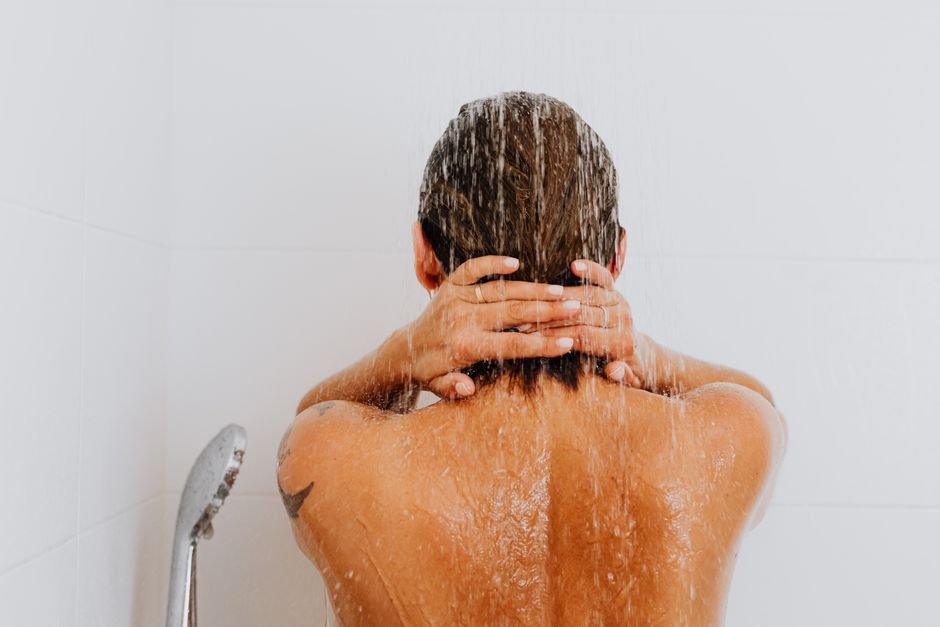
For most people, washing hair every day is not necessary, and for many, it can do more harm than good. Daily washing strips the scalp of its natural oils, which can lead to dryness, irritation, and even increased oil production as the scalp tries to compensate. The right frequency depends on your hair type, scalp condition, and lifestyle, not a one-size-fits-all rule.
What Happens to Your Scalp When You Wash Daily?
Your scalp produces a natural oil called sebum. Sebum coats the hair shaft and protects it from drying out and breaking. It also helps keep the scalp skin healthy and moisturized.
Shampoo is designed to remove dirt, sweat, and excess oil. But most shampoos also strip away the beneficial oils your scalp needs. When you wash every day, you remove sebum faster than your scalp can replace it. The result is a dry, tight-feeling scalp and hair that looks dull or frizzy.
There is also a rebound effect. When the scalp senses it is completely dry, it can overproduce sebum to compensate. This is why some people who wash daily feel they must keep washing — their scalp is stuck in a cycle of overproduction and stripping.
Who Should Avoid Daily Washing?
People with naturally dry hair, curly hair, or textured hair generally need the least frequent washing. For these hair types, the natural oils take longer to travel down the hair shaft. Washing too often leaves the hair brittle and prone to split ends.
People with sensitive skin or conditions like eczema on the scalp also tend to do better with less frequent washing. Daily shampooing can worsen flaking and itching in these cases.
Older adults often need to wash less frequently. Sebum production naturally decreases with age, so the scalp becomes drier on its own.
Who Can Wash Daily Without Problems?
Some people genuinely do fine with daily washing. People with very oily scalps often prefer it. People who exercise heavily and sweat profusely may need to wash more often to remove sweat and bacteria.
People who live in hot, humid climates or work in dusty environments also tend to need more frequent washing.
If you have fine, straight hair, daily washing may actually be necessary. Fine hair shows oil quickly because the oil has less hair to travel through. For this hair type, skipping a day can mean greasy, limp hair by the afternoon.




How Often Should You Actually Wash Your Hair?
Dermatologists generally recommend washing most hair types one to two times per week. This is a broad guideline, not a strict rule.
- Fine, straight hair: Every day or every other day
- Normal hair: Two to three times per week
- Thick or wavy hair: Once or twice per week
- Curly or coily hair: Once per week or even less often
- Dry or damaged hair: Once per week
These are starting points, not prescriptions. Your own scalp will tell you what works. If your scalp feels itchy, tight, or flaky, you are likely washing too often. If your hair looks greasy by noon, you may need to wash more frequently.
What About Dry Shampoo?
Dry shampoo is a popular way to stretch time between washes. It absorbs oil at the roots and adds volume. It does not clean the scalp. It does not remove sweat, dirt, or product buildup.
Using dry shampoo daily as a substitute for washing can lead to clogged hair follicles. This can cause scalp irritation or even small bumps that look like acne along the hairline.
Dry shampoo is best used as a temporary fix, not a permanent replacement for washing. If you use it regularly, wash your hair with regular shampoo to actually remove the buildup.
How to Make Your Hair Last Longer Between Washes
If you are trying to reduce washing frequency, there are ways to ease the transition. The first week or two may feel greasy while your scalp adjusts. This is normal. Sebum production does eventually regulate, though the adjustment period varies by person.
Use lukewarm water instead of hot water when you do wash. Hot water strips more oil from the hair.
Apply shampoo only to the scalp, not the ends of your hair. The ends are the oldest, driest part of the hair and need the least washing. Let the suds rinse down through the ends as you wash the scalp.
Conditioner should go on the mid-lengths and ends, not the scalp. Conditioning the scalp can weigh hair down and make it look oily faster.
Consider a gentler shampoo. Sulfate-free formulas are less stripping. They clean the hair without removing as much natural oil. They are a reasonable choice for people with dry or color-treated hair.
What If You Exercise Every Day?
Sweat itself does not smell. The smell comes from bacteria on the skin breaking down the sweat. If you exercise daily, you may feel you need to wash daily. That is understandable.
You do not always need a full shampoo after every workout. Rinsing your hair with water and applying conditioner can remove sweat without stripping the scalp. Some people use a co-wash, which is a cleansing conditioner that cleans gently without the detergents found in regular shampoo.
If you do shampoo after every workout, use a very mild formula and focus only on the scalp. This minimizes the damage of frequent washing.
Does Washing Daily Cause Hair Loss?
Daily washing does not cause hair loss. Hair falls out as part of its natural cycle. The average person loses about 50 to 100 hairs per day. This is normal shedding, not hair loss caused by washing.
What daily washing can do is increase hair breakage. When hair is stripped of its natural oils, it becomes dry and brittle. Brittle hair snaps off more easily, especially when you brush or towel-dry it. This breakage can look like hair loss, but it is not the same thing.
Hair that comes out at the root with a white bulb at the end is normal shedding. Hair that snaps off in the middle is breakage. If you see a lot of breakage, reducing washing frequency and using a conditioner can help.
Signs You Are Washing Too Often
Some signs are obvious. Others are less so.
- Scalp feels tight or itchy after washing
- Hair feels straw-like or rough to the touch
- Visible flakes that are dry, not oily
- Hair breaks easily when brushing
- Color-treated hair fades faster than expected
- Hair looks greasy by the end of the day even right after washing
The last one seems backward, but it makes sense. Overwashing can trigger the scalp to overproduce oil. If your hair looks oilier after you wash it than when you skip a day, that is a strong sign you are washing too often.
Does Water Temperature Matter?
Yes. Hot water opens the hair cuticle and strips away more oil. Cold water closes the cuticle and helps hair look shinier. Neither temperature damages hair permanently.
Lukewarm water is the best balance. It cleans well without excessive stripping. A cool rinse at the end of your shower can help smooth the hair cuticle and add shine, though the effect is temporary.
Frequently Asked Questions
Is it bad to wash your hair every day?
For most people, yes, daily washing strips natural oils and can lead to dryness and irritation. Some people with very oily or fine hair do fine with daily washing, but most hair types do better with fewer washes per week.
How many times a week should you wash your hair?
Most dermatologists recommend one to two times per week for normal hair. Fine or very oily hair may need more frequent washing, while curly or dry hair often needs less.
Does washing hair daily make it grow faster?
No. Washing does not affect hair growth rate. Hair growth happens at the follicle beneath the scalp, and shampoo only affects the hair shaft above the surface.
Can washing hair every day cause dandruff?
It can worsen certain types of dandruff. Overwashing dries the scalp, which can cause flaking. If you have dandruff, washing with a medicated shampoo two to three times per week is generally more effective than daily washing with regular shampoo.
