
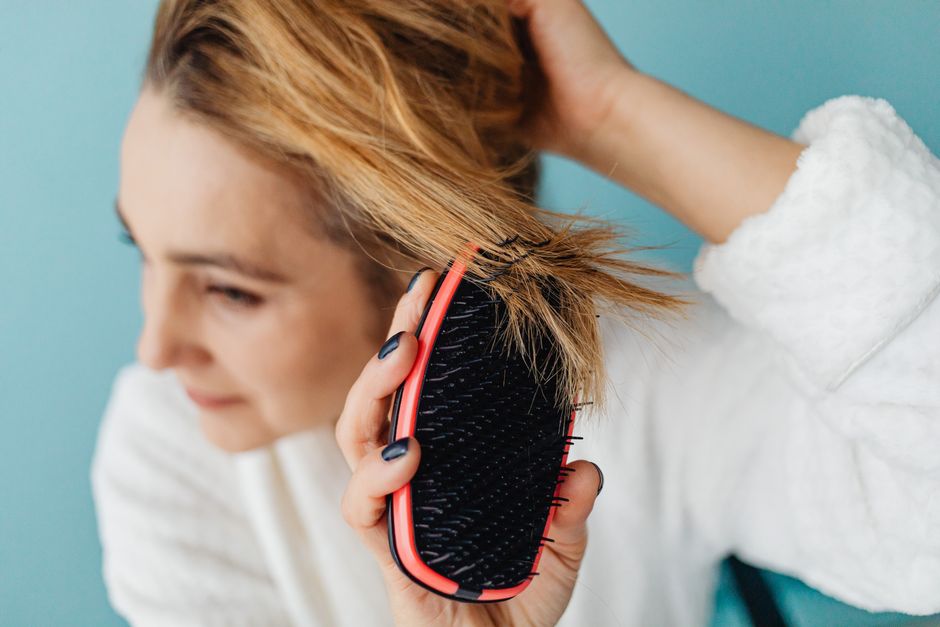
Hair breakage is a common frustration, but it is not something you have to live with. For Black women, breakage usually happens because the hair is fragile, dry, or handled too roughly. The fix is not a single miracle product; it is a consistent routine built on moisture, gentle handling, and protective styling. You can stop breakage by changing how you wash, detangle, and style your hair, and by giving your strands the hydration they need to stay strong.
Why Does Black Hair Break So Easily?
Black hair has a unique structure that makes it more prone to breakage than other hair types. The hair strand is often tightly curled, and those curls create natural weak points along the shaft. The natural oils produced by your scalp also have a harder time traveling down the hair strand because of the curl pattern. This leaves the ends drier and more fragile.
This is not a flaw. It is simply how the hair is built. Understanding this structure matters because it tells you why a one-size-fits-all hair routine will not work. Your hair needs specific care that accounts for its shape and its natural dryness.
Breakage is different from shedding. Shedding is when the entire hair strand falls out from the root. Breakage is when the hair snaps off along the shaft, often leaving uneven ends or short pieces. If you see small broken pieces on your pillow or in your comb, that is breakage, not shedding.
What Are The Main Causes Of Breakage In Black Hair?
Several everyday habits cause breakage. The most common is a lack of moisture. When hair is dry, it loses its elasticity. Instead of stretching and bouncing back, it snaps. Heat styling, harsh shampoos, and dry climates all pull moisture out of the hair.
Another major cause is rough handling. Detangling with a brush on dry hair, pulling hair into tight styles, or rubbing hair with a cotton towel all put stress on the strands. Over time, that stress creates weak points where the hair breaks.
Chemical damage is also a leading cause. Relaxers, texturizers, and hair dyes break the bonds inside the hair strand. This can make the hair weaker even if it looks fine on the outside. Repeated chemical treatments without enough time between them can cause severe damage.
Heat damage is a separate issue. Flat irons and curling wands can reach temperatures high enough to boil the moisture inside the hair strand. This creates bubbles in the hair shaft, which then snap easily. If you use heat regularly, your hair is at higher risk for breakage.
How To Stop Hair Breakage In Black Womens Hair With A Moisture Routine
Moisture is the single most important factor in preventing breakage. Your hair needs water, not just oil. Oils seal moisture in, but they do not add moisture on their own. The best routine starts with water or a water-based leave-in conditioner, then locks that moisture in with an oil or butter.
This is often called the LOC method, which stands for liquid, oil, cream. You apply a water-based product first, then seal with oil, then finish with a cream or butter. Some people prefer the LCO method, which swaps the oil and cream order. Both work. The key is that water goes on first.
A simple routine looks like this:
- Wash your hair once a week with a sulfate-free shampoo or a cleansing conditioner.
- Apply a deep conditioner and leave it on for 15 to 30 minutes with heat if possible.
- Rinse with cool water to close the hair cuticle.
- Apply a leave-in conditioner while the hair is still damp.
- Seal the moisture with a lightweight oil like jojoba or argan oil.
- Finish with a cream or butter to lock everything in.
This routine does not need to be complicated. Consistency matters more than the number of products. If you only do one thing, make it the leave-in conditioner followed by an oil on damp hair.




How Should You Detangle To Prevent Breakage?
Detangling is where most breakage happens. The key is to never detangle dry hair. Dry hair is brittle and snaps easily. Always detangle on wet, conditioned hair. The conditioner provides slip, which lets the comb glide through without pulling.
Start with your fingers to gently separate large tangles. Then move to a wide-tooth comb. Work from the ends up to the roots, not the other way around. Going from the roots down pushes tangles into a knot, which then has to be pulled apart. Working from the ends removes tangles gradually without stress.
Do not rush. Section your hair into four or more parts and work on one section at a time. This keeps the hair manageable and reduces pulling. If you hit a knot, do not yank it. Apply more conditioner or a detangling spray and work it out slowly.
Some people find that detangling in the shower with conditioner in the hair works best. Others prefer to detangle after washing while the hair is still wet. Either way works. The rule is simple: never pull on dry hair.
Do Protective Styles Help Or Hurt?
Protective styles like braids, twists, and buns can help prevent breakage because they keep the ends of your hair tucked away. The ends are the oldest, most fragile part of the hair. Protecting them from friction against clothing and pillows reduces breakage significantly.
But protective styles only work if they are done correctly. Styles that are too tight pull on the hair follicles and the hair shaft. This can cause a condition called traction alopecia, where hair falls out from the root. It can also cause breakage along the shaft where the tension is highest.
A good protective style should not hurt. If your scalp feels tight or you feel pulling, the style is too tight. You should be able to move your scalp freely. Braids and twists should also not be left in for too long. Two to eight weeks is typical, depending on the style. Leaving them in longer allows the hair underneath to mat and tangle, which causes breakage when you take the style down.
Do not forget to moisturize your hair while it is in a protective style. The hair is still alive and still needs moisture, even if you cannot see it. Use a lightweight leave-in spray on your scalp and along the length of the braids or twists every few days.
What Role Does Heat And Styling Play?
Heat styling is one of the fastest ways to damage Black hair. The hair is already dry, and high heat removes even more moisture. If you use heat, keep the temperature below 350 degrees Fahrenheit. Higher temperatures can cause irreversible damage to the hair shaft.
Always use a heat protectant before any heat styling. This product creates a barrier between the heat and the hair. It does not make heat safe, but it reduces the damage. Even with a protectant, limit heat use to once a week or less.
If you can, let your hair air dry instead of using a blow dryer. If you must use a blow dryer, use it on a low heat setting and keep it moving. Do not concentrate the heat on one section for more than a few seconds.
Silk or satin pillowcases are another simple fix. Cotton pillowcases absorb moisture from your hair and create friction while you sleep. Silk and satin do not absorb moisture and create less friction. This single change can reduce morning breakage significantly.
Are There Foods Or Supplements That Help Hair Strength?
Hair is made of a protein called keratin. Your body needs protein, iron, and certain vitamins to build strong hair. A diet low in these nutrients can contribute to weak, brittle hair that breaks easily.
Iron deficiency is one of the most common nutritional causes of hair loss and breakage, especially in women. If you are low in iron, your hair may not get the oxygen and nutrients it needs to grow strong. A simple blood test can tell you if your iron levels are low.
Biotin is often marketed for hair growth, but the evidence is limited. Some studies suggest biotin supplements help people with a true biotin deficiency, which is rare. For most people, taking extra biotin does not stop breakage. It is not harmful, but it is not a proven fix.
Collagen supplements are also popular for hair and skin. Some research suggests they may improve hair strength over time, but the evidence is still emerging. No large clinical trials have confirmed that collagen supplements stop hair breakage in Black women specifically.
Focus on a balanced diet with enough protein, iron-rich foods like leafy greens and beans, and plenty of water. If you suspect a nutritional deficiency, talk to your doctor. Do not guess and take high-dose supplements without a blood test.
When Should You See A Professional?
Sometimes breakage is not just a hair care issue. If you are losing large amounts of hair, seeing bald patches, or if your breakage does not improve with a better routine, it is time to see a doctor. A dermatologist can check for underlying conditions like scalp infections, hormonal imbalances, or autoimmune disorders.
Conditions like alopecia areata, central centrifugal cicatricial alopecia, and thyroid disorders can all cause hair loss that looks like breakage at first. These conditions require medical treatment, not just a new conditioner.
A trichologist is a specialist in hair and scalp health, but they are not always medical doctors. For a medical diagnosis, a dermatologist is the right choice. They can do a scalp biopsy if needed and give you a clear answer about what is happening.
Do not wait too long. If you have been consistent with a gentle, moisturizing routine for three to four months and see no improvement, seek professional help. Early treatment for scalp conditions is more effective than waiting.
Frequently Asked Questions
How often should I wash my Black hair to prevent breakage?
Most people do best washing once a week with a sulfate-free shampoo. Washing too often strips moisture, but washing too rarely allows buildup that weakens hair.
Can I repair broken hair strands?
No product can repair a hair strand that has already snapped. You can only prevent future breakage and trim the damaged ends.
Is it better to wear my hair natural or relaxed to avoid breakage?
Natural hair is not automatically stronger than relaxed hair, but relaxers weaken the hair strand. If you relax your hair, you must space out treatments and follow a strict moisture routine.
How long does it take to see improvement in hair breakage?
With a consistent routine, you can see less breakage within four to six weeks. Visible changes in hair length and thickness take several months because hair grows slowly.
