
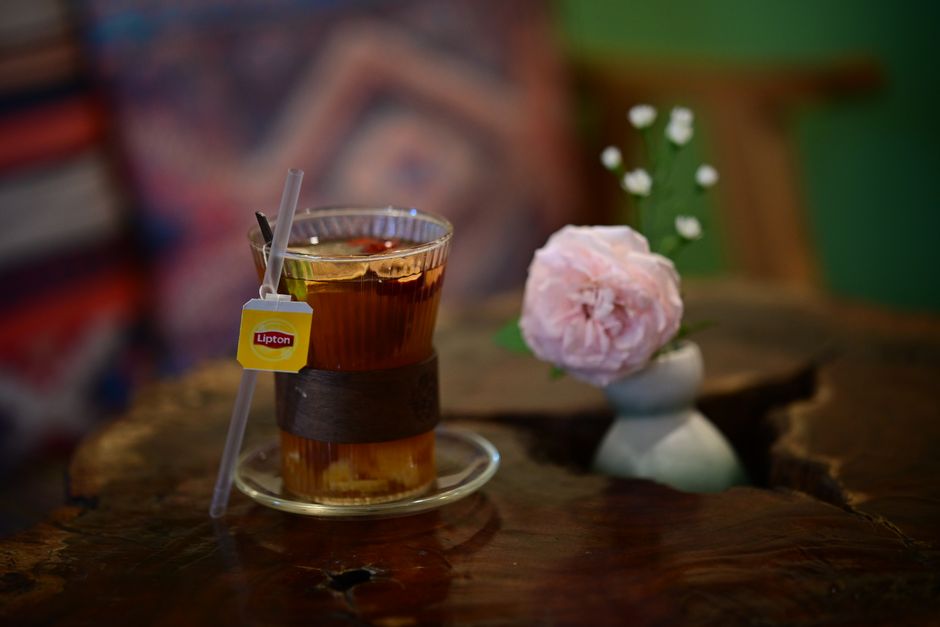
Yes, Lipton Green Tea contains caffeine. A standard 8-ounce cup of brewed Lipton Green Tea has about 28 to 38 milligrams of caffeine. This is less than black tea, which has 40 to 70 milligrams, and much less than coffee, which has 95 to 200 milligrams per cup. The exact amount depends on how long you steep the tea bag and how hot the water is.
Many people choose green tea because they want a gentle energy lift without the jitters that coffee can cause. Lipton Green Tea gives you that mild boost. It is not caffeine-free. If you are sensitive to caffeine or need to avoid it for medical reasons, you should know that Lipton Green Tea will affect you.
How Much Caffeine Is in Lipton Green Tea Compared to Other Drinks?
Lipton Green Tea sits in the middle of the caffeine spectrum. It is stronger than most herbal teas, which have zero caffeine. It is weaker than black tea and much weaker than coffee. The table below shows how it compares to common drinks.
| Beverage (8 oz serving) | Approximate Caffeine Content |
|---|---|
| Lipton Green Tea (brewed) | 28–38 mg |
| Lipton Black Tea (brewed) | 40–70 mg |
| Brewed Coffee | 95–200 mg |
| Espresso (1 oz) | 63 mg |
| Herbal Tea (e.g., chamomile) | 0 mg |
| Decaf Green Tea | 2–5 mg |
The caffeine in green tea is also absorbed differently than coffee. Green tea contains an amino acid called L-theanine. Some studies suggest L-theanine can slow down how your body absorbs caffeine. This may lead to a smoother, longer-lasting energy boost rather than a sudden spike and crash. The American Journal of Clinical Nutrition has published research on how L-theanine affects alertness.
If you are comparing Lipton Green Tea to matcha, matcha has more caffeine. Matcha is ground whole green tea leaves, so a serving can have 60 to 80 milligrams of caffeine. Lipton Green Tea uses whole leaves in a bag, but you remove the bag after steeping, so you get less caffeine than matcha.
Does the Steeping Time Change the Caffeine Level?
Yes, steeping time directly affects the caffeine content. The longer you leave the tea bag in hot water, the more caffeine extracts into your cup. This is true for all real teas, including Lipton Green Tea.
Here is what happens with different steeping times:
- 1 minute steep: Around 20–25 mg of caffeine
- 3 minute steep: Around 28–35 mg of caffeine
- 5 minute steep: Around 35–45 mg of caffeine
Water temperature also matters. Hotter water extracts caffeine faster. Lipton recommends steeping their green tea for 2 minutes in water that is 175°F (80°C). If you use boiling water at 212°F, you will get more caffeine in a shorter time. The tea may also taste bitter because the heat releases tannins.
If you want less caffeine, steep for 1 minute or use cooler water. If you want the full amount, steep for 3 to 4 minutes at the recommended temperature. You cannot remove caffeine once it is in the water, so your only control is during the brewing process.
Does Lipton Green Tea Have Caffeine in Bottled Form?
Bottled Lipton Green Tea products have different caffeine levels than brewed tea. The amount depends on the specific product. Lipton Diet Green Tea and Lipton Pure Leaf Green Tea are two common bottled options.
Lipton Diet Green Tea (16.9 oz bottle) has about 30 milligrams of caffeine. That is similar to a cup of brewed green tea. Lipton Pure Leaf Green Tea (18.5 oz bottle) has about 25 milligrams of caffeine per serving. Always check the label because some sweetened green tea drinks have added caffeine from other sources.
Some bottled green teas are labeled as “green tea” but contain very little actual tea. They may be mostly water, sugar, and flavorings. Lipton’s bottled products do contain real tea extract, so they do have caffeine. The amount is lower than a fresh-brewed cup because the tea is diluted.
If you are buying a bottled green tea that is not Lipton, read the ingredients. Some brands add extra caffeine. Others use decaffeinated tea. The FDA does not require caffeine content on labels unless it is added, so you may need to contact the company.



Is There a Caffeine-Free Version of Lipton Green Tea?
Lipton does sell a decaffeinated green tea. It is called Lipton Decaffeinated Green Tea. The decaffeination process removes most of the caffeine, leaving about 2 to 5 milligrams per cup. That is a tiny amount. Most people who are sensitive to caffeine can drink decaf green tea without problems.
The decaffeination process used by Lipton involves ethyl acetate. This is a natural compound found in fruits like apples and bananas. The tea leaves are washed in a solution that removes caffeine while keeping most of the antioxidants. The process is FDA-approved.
Some people worry that decaf tea loses health benefits. Research shows that decaffeinated green tea still contains catechins, which are the antioxidants linked to health effects. The levels are slightly lower than regular green tea, but not dramatically so. A study in the Journal of Agricultural and Food Chemistry found that decaffeination reduces catechin content by about 10 to 15 percent.
If you want zero caffeine, you need an herbal tea. Lipton makes herbal teas like chamomile and peppermint that have no caffeine. These are not green tea. They are different plants entirely. Herbal teas do not contain the same antioxidants as green tea.
What Does the Research Say About Green Tea Caffeine and Health?
The research on green tea caffeine focuses on two areas: alertness and metabolic effects. The caffeine in green tea is well-studied for improving focus and reducing fatigue. The European Food Safety Authority has approved health claims that green tea caffeine can help maintain alertness and concentration.
Some studies suggest green tea caffeine may slightly boost metabolism. A meta-analysis published in the International Journal of Obesity found that green tea catechins combined with caffeine increased energy expenditure by about 4 percent over 24 hours. That is a small effect. It is not a weight loss solution on its own.
The caffeine in green tea also affects sleep. If you drink Lipton Green Tea in the evening, the caffeine may keep you awake. The half-life of caffeine in most adults is about 5 hours. That means if you drink a cup at 6 PM, half the caffeine is still in your system at 11 PM. People who are slow metabolizers of caffeine may feel effects for 8 to 10 hours.
There is no strong evidence that green tea caffeine causes dehydration. The old belief that caffeine is a diuretic that dehydrates you has been largely disproven. A review in the Journal of Human Nutrition and Dietetics concluded that moderate caffeine intake from tea does not lead to dehydration. Tea contributes to your daily fluid intake just like water does.
Common Misconceptions About Caffeine in Green Tea
One common myth is that green tea has no caffeine. This is false. All tea from the Camellia sinensis plant contains caffeine. Green tea, black tea, white tea, and oolong tea all come from the same plant. The difference is how the leaves are processed. Green tea is steamed or pan-fired to prevent oxidation, but the caffeine stays in the leaves.
Another myth is that green tea caffeine is completely different from coffee caffeine. The caffeine molecule is identical whether it comes from tea or coffee. The difference is how much you consume and what other compounds are present. Green tea has L-theanine, which may modify how caffeine feels, but the caffeine itself is the same chemical.
Some people believe that lighter colored green teas have less caffeine. This is not true. The color of the brewed tea depends on oxidation and processing, not caffeine content. A pale green tea can have the same caffeine as a dark green tea. The only way to know is to check the specific brand and preparation method.
A final misconception is that drinking green tea cancels out the negative effects of caffeine. Green tea does not neutralize caffeine. If you drink enough green tea to get a high dose of caffeine, you will feel the same effects as from coffee. The antioxidants in green tea do not protect you from overstimulation or sleep disruption.
What to Avoid When Drinking Lipton Green Tea for Caffeine
Avoid drinking Lipton Green Tea on an empty stomach if you are sensitive to caffeine. Some people experience stomach upset or nausea from the combination of caffeine and tannins. Eating a small snack before or with the tea can help.
Avoid adding too much sugar or honey. Many bottled green teas have high amounts of added sugar. A 16.9 oz bottle of Lipton Diet Green Tea has zero sugar, but the regular sweetened version has about 34 grams. That is more than 8 teaspoons of sugar. The health benefits of green tea are easily outweighed by high sugar intake.
Avoid assuming that all green tea products are healthy. Some green tea supplements and extracts have very high caffeine concentrations. They can cause side effects like rapid heartbeat, anxiety, and insomnia. Stick to brewed tea or standard bottled products from reputable brands like Lipton.
Avoid drinking green tea too close to bedtime. The caffeine can disrupt sleep even if you do not feel wired. Poor sleep quality can cancel out any health benefits you get from the antioxidants. If you want green tea in the evening, choose the decaffeinated version.
Frequently Asked Questions
Does Lipton Green Tea have more caffeine than coffee?
No, Lipton Green Tea has much less caffeine than coffee. An 8 oz cup of green tea has about 28-38 mg, while the same amount of brewed coffee has 95-200 mg.
Can I drink Lipton Green Tea if I am sensitive to caffeine?
You can try the decaffeinated version which has only 2-5 mg per cup. Regular Lipton Green Tea may cause jitters or sleep problems if you are sensitive.
Does bottled Lipton Green Tea have the same caffeine as brewed?
Bottled Lipton Green Tea has slightly less caffeine, around 25-30 mg per 16.9 oz bottle, because the tea is diluted. Check the label for exact amounts.
How long does the caffeine in Lipton Green Tea stay in your system?
The half-life of caffeine is about 5 hours for most adults. This means half the caffeine is still in your body 5 hours after drinking the tea.
