
If you want a soda without caffeine, your options are wider than most people think. Clear lemon-lime sodas like Sprite and 7UP have never contained caffeine. Many orange sodas, root beers, and ginger ales are also naturally caffeine-free. The key is reading the label because some brands in these categories add caffeine for flavor or marketing reasons.
Which Major Soda Brands Contain No Caffeine?
Several well-known soda brands have never included caffeine in their recipes. Sprite and 7UP are the most popular caffeine-free options. Both are lemon-lime flavored and contain no caffeine whatsoever.
Fanta orange soda is caffeine-free in the United States. This is worth noting because Fanta recipes vary by country. In some international markets, Fanta contains caffeine. But the US version does not.
Most root beers are caffeine-free. Barq’s root beer is the major exception — it contains caffeine. Mug root beer and A&W root beer do not. If you want a caffeine-free root beer, stick with those brands.
Ginger ale brands like Canada Dry and Schweppes are caffeine-free. So are most cream sodas and fruit-flavored sodas that are not colas. The general rule is that if it is not a cola or a citrus-cola hybrid, it likely has no caffeine.
How Can You Tell If a Soda Has Caffeine?
The most reliable method is checking the ingredient list on the can or bottle. In the United States, the FDA requires caffeine to be listed as an ingredient if it is added. If caffeine is naturally present from a plant source like kola nut, it must also be declared.
Some sodas list caffeine content separately on the label, but this is voluntary. Many brands do not include it. Do not assume that because a soda is clear or light-colored it is caffeine-free. Mountain Dew is clear and contains caffeine. So does Sunkist orange soda.
Here are the major soda categories and their typical caffeine status:
- Colas (Coca-Cola, Pepsi, RC Cola) — always contain caffeine
- Lemon-lime sodas (Sprite, 7UP, Sierra Mist) — no caffeine
- Orange sodas (Fanta, Crush) — no caffeine in US, check imports
- Root beers (A&W, Mug) — no caffeine except Barq’s
- Ginger ales (Canada Dry, Schweppes) — no caffeine
- Citrus sodas (Mountain Dew, Mello Yello, Sun Drop) — contain caffeine
- Grape sodas (Fanta grape, Welch’s) — no caffeine
- Cream sodas (A&W, Barq’s) — no caffeine
One non-obvious point: some clear sodas that look like Sprite actually contain caffeine. This includes some store-brand lemon-lime sodas and specialty drinks. Always check the label even for clear drinks.
What Sodas Don’T Have Caffeine in the Cola Category?
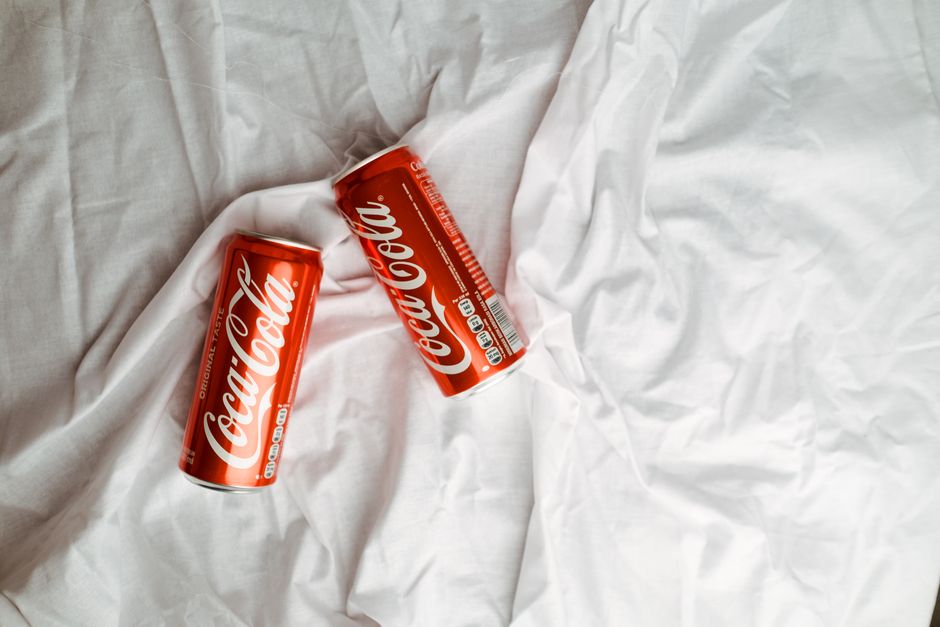
Traditional colas always contain caffeine because the kola nut, which gives cola its flavor, naturally contains it. But there are caffeine-free versions of major cola brands. Coca-Cola and Pepsi both sell caffeine-free versions of their classic colas.
Caffeine-Free Coca-Cola and Caffeine-Free Diet Coke are widely available. Pepsi also makes Caffeine-Free Pepsi. These taste nearly identical to the regular versions. The only difference is the caffeine has been removed during processing.
Some smaller cola brands are naturally caffeine-free. This is rare, but brands like Virgil’s Zero Sugar Cola and some organic colas use kola nut extract that has been processed to remove caffeine. Read the label carefully because not all natural colas are caffeine-free.
Research published in the Journal of Food Science found that caffeine-free colas retain the same flavor profile as regular colas when tested in blind taste tests. Most people cannot tell the difference. So if you want the taste of cola without caffeine, the caffeine-free versions are a solid option.



Does Caffeine-Free Mean Chemical-Free?
No. Caffeine-free does not mean the soda is healthier or contains fewer additives. Caffeine is just one ingredient. A soda can be caffeine-free and still contain high fructose corn syrup, artificial colors, and preservatives.
Some people assume that because a soda is clear or fruit-flavored it is better for them. That is not accurate. Sprite has no caffeine but contains 38 grams of sugar per 12-ounce can. The American Heart Association recommends no more than 36 grams of added sugar per day for men and 25 for women. One can of Sprite nearly hits that limit.
Diet sodas without caffeine are also available. Diet Sprite, Diet 7UP, and Diet A&W Root Beer contain no caffeine and use artificial sweeteners instead of sugar. But the long-term health effects of artificial sweeteners are still being studied. The CDC notes that replacing sugary drinks with diet versions may help reduce calorie intake, but water remains the healthiest choice.
One clarification worth making: caffeine-free is not the same as decaffeinated. Decaffeinated drinks still contain small amounts of caffeine — usually 2 to 5 milligrams per serving. Caffeine-free means zero caffeine was added and none is naturally present. For most people this difference does not matter. But if you are avoiding caffeine for medical reasons, the distinction matters.
What About Clear Sodas Like Mountain Dew and Mello Yello?
This is where many people get confused. Mountain Dew is a clear soda that looks like it should be caffeine-free. It is not. A 12-ounce can of Mountain Dew contains 54 milligrams of caffeine. That is about half the caffeine in a similar serving of coffee.
Mello Yello, Sun Drop, and Vault all contain caffeine. These are citrus-flavored sodas marketed as energy boosters. They were designed to compete with Mountain Dew, not with Sprite.
Some specialty clear sodas like Sierra Mist and Slice are caffeine-free. But the category is inconsistent. The only safe assumption is that if a clear soda is marketed with words like “citrus blast” or “high energy,” it probably contains caffeine.
Here is a comparison table of popular clear sodas and their caffeine content:
| Soda | Caffeine per 12 oz | Category |
|---|---|---|
| Sprite | 0 mg | Caffeine-free |
| 7UP | 0 mg | Caffeine-free |
| Sierra Mist | 0 mg | Caffeine-free |
| Mountain Dew | 54 mg | Contains caffeine |
| Mello Yello | 51 mg | Contains caffeine |
| Sun Drop | 63 mg | Contains caffeine |
What Are the Most Common Myths About Caffeine in Soda?
Myth one: all dark sodas contain caffeine. Root beer and cream soda are both dark and are usually caffeine-free. The color of a soda has nothing to do with its caffeine content. Caffeine is colorless and tasteless in the amounts used in soda.
Myth two: diet sodas have less caffeine than regular sodas. This is not true. Diet Coke and Coke Zero both contain caffeine. Diet Pepsi contains caffeine. The sweetener type does not determine caffeine content.
Myth three: caffeine in soda is always listed on the front label. It is not. The FDA only requires caffeine to be listed in the ingredients. Some brands voluntarily list it on the nutrition panel or front of can, but many do not. You must read the ingredient list to be sure.
Myth four: natural sodas are caffeine-free. Some natural sodas made with kola nut do contain caffeine. Others use herbal extracts and are caffeine-free. “Natural” is not a guarantee of anything regarding caffeine. The same applies to organic sodas.
One myth that persists despite clear evidence: that caffeine in soda is added only for flavor. This is not accurate. Caffeine is added to soda primarily for its mild stimulant effect. It creates a slight dependence that encourages repeat purchases. The amount used is well below what is needed to affect taste. Research from the Johns Hopkins University School of Medicine has shown that caffeine at the levels found in soda produces physical dependence in regular drinkers.
What Should You Do If You Want to Avoid Caffeine in Soda?
Start by making a list of the sodas you know are caffeine-free. Sprite, 7UP, Fanta orange, A&W root beer, Canada Dry ginger ale, and most cream sodas are safe choices. Keep a mental note of the exceptions — Barq’s root beer, Sunkist orange, and Mountain Dew.
When trying a new soda, read the ingredient list before buying. Look for the word “caffeine” or “caffeine added.” If you see kola nut, guarana, or yerba mate listed, those are natural sources of caffeine. The soda contains caffeine even if it does not say “caffeine” directly.
If you are at a restaurant or vending machine and cannot see the label, ask. Most restaurant staff can check the can or bottle. If you cannot confirm, choose a soda you already know is safe.
For people who are sensitive to caffeine for medical reasons, the safest approach is to stick with brands that have never contained caffeine rather than caffeine-free versions of caffeinated brands. The decaffeination process is not perfect. Trace amounts may remain. The CDC and FDA both state that caffeine-free sodas contain less than 0.5 milligrams per serving, but if you are extremely sensitive, even that small amount could matter.
Some people report that switching to caffeine-free sodas improves their sleep quality and reduces anxiety. This is widely claimed, but strong evidence is limited to anecdotal reports. The National Sleep Foundation notes that caffeine consumed even six hours before bedtime can disrupt sleep. So if you drink soda in the afternoon or evening, choosing a caffeine-free option is a reasonable step.
Frequently Asked Questions
Does Sprite have caffeine?
No. Sprite has never contained caffeine. It is a lemon-lime soda that is naturally caffeine-free.
Does root beer have caffeine?
Most root beers do not contain caffeine. Barq’s root beer is the main exception — it contains caffeine. A&W and Mug root beer are caffeine-free.
Does Mountain Dew have caffeine?
Yes. Mountain Dew contains 54 milligrams of caffeine per 12-ounce can. It is a citrus soda with caffeine added.
Does Fanta orange have caffeine?
In the United States, Fanta orange does not contain caffeine. Recipes vary by country, so check the label if you are outside the US.
