
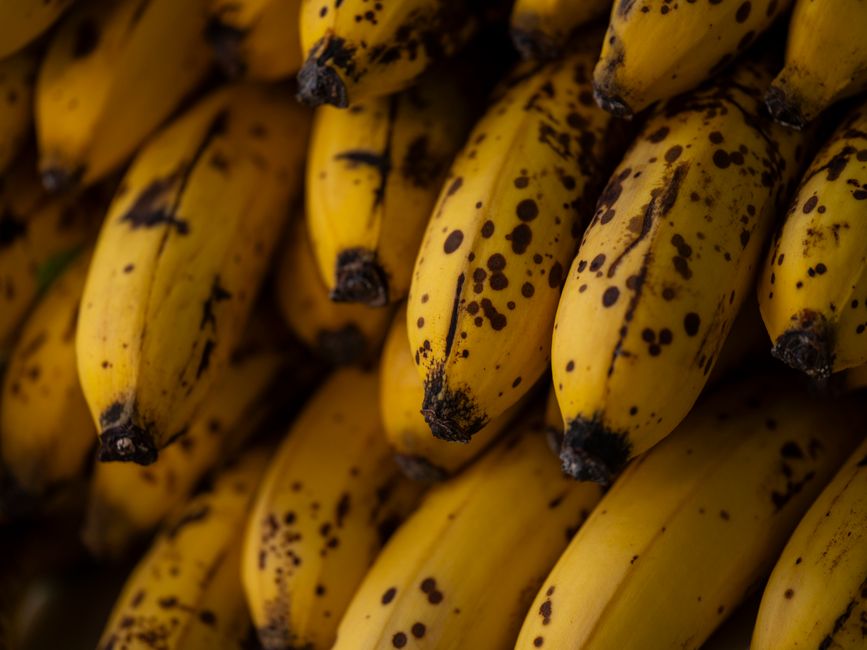
Bananas are one of the most popular fruits in the world, and for good reason. They are a convenient, portable source of energy that provides real nutritional value. Bananas are healthy because they deliver essential nutrients like potassium, vitamin B6, and fiber in a natural package that most people can enjoy daily.
What Nutrients Are in a Banana?
A medium banana is about 105 calories and contains almost no fat. It provides a solid mix of carbohydrates, natural sugars, and fiber. The fiber content helps slow digestion, which keeps blood sugar levels steadier than eating refined sugar alone.
Bananas are best known for their potassium. A medium banana provides about 9% of the daily value for potassium, a mineral that helps regulate blood pressure and supports muscle and nerve function. They also contain vitamin C, magnesium, and manganese in smaller amounts.
One of the most overlooked nutrients in bananas is vitamin B6. A single medium banana provides about 25% of the daily value for vitamin B6, which is important for brain development and immune function. Few common fruits offer this much B6 per serving.
Why Is Bananas Healthy for Digestion?
Bananas contain two types of fiber that support digestive health. The first is pectin, a soluble fiber that helps move food through the digestive tract. The second is resistant starch, which is more abundant in green bananas and acts as a prebiotic.
Resistant starch is not digested in the small intestine. Instead, it travels to the colon where it feeds beneficial gut bacteria. These bacteria ferment the starch and produce short-chain fatty acids, which support colon health and may reduce inflammation.
As bananas ripen, the resistant starch converts to simple sugars. This means a ripe banana is easier to digest but provides less prebiotic benefit than a greener one. Both forms are healthy, but they affect digestion differently.
Do Bananas Help with Blood Pressure?
Potassium is one of the key minerals involved in blood pressure regulation. It helps counterbalance sodium, encouraging the body to excrete excess sodium through urine and relaxing blood vessel walls. This mechanism is well established in medical research.
Studies have consistently found that diets rich in potassium are associated with lower blood pressure in people with hypertension. The effect is modest but meaningful. Bananas are not a treatment for high blood pressure, but they are a reasonable part of a potassium-rich diet.
Most adults need about 3,400 mg of potassium per day for men and 2,600 mg for women. A medium banana provides roughly 375 to 420 mg. Eating one banana daily contributes to that goal but does not meet it alone.





Are Bananas Good for Athletes and Exercise?
Bananas are a practical pre-workout and post-workout food. They provide easily digestible carbohydrates that fuel muscles during exercise. The natural sugars in a ripe banana are available quickly, while the fiber slows absorption enough to avoid a sudden spike.
Research has compared bananas to sports drinks during cycling exercise, and some studies suggest bananas perform comparably for sustaining performance. Bananas also provide antioxidants that sports drinks do not, which may help reduce exercise-related muscle inflammation.
Potassium is lost through sweat during prolonged exercise. Replacing it with food rather than supplements is generally safer and more effective because food provides potassium alongside other nutrients. For most recreational athletes, a banana before or after a workout is a solid choice.
Do Bananas Spike Blood Sugar?
Bananas have a glycemic index that ranges from low to medium depending on ripeness. A green banana scores lower on the glycemic index than a fully ripe one because it contains more resistant starch and less sugar. A ripe banana scores higher because the starches have converted to sugar.
For people without diabetes, a banana is not a concern. The fiber content and the presence of water help moderate the blood sugar response. For people with diabetes, portion size matters more than the fruit itself.
A small banana is a reasonable serving for someone managing blood sugar. Pairing it with a source of protein or fat, like peanut butter or yogurt, slows digestion further and blunts the glucose response. This is a practical strategy that many dietitians recommend.
Can Bananas Help with Weight Management?
Bananas are not a weight loss food in the sense of burning fat, but they can support weight management in a practical way. They are filling because of their fiber and water content, which can help reduce overall calorie intake when eaten as a snack.
A medium banana contains about 105 calories. Compared to a processed snack bar or a bag of chips, a banana provides more volume and nutrients per calorie. Swapping a processed snack for a banana is a reasonable change for most people.
Some diet trends avoid bananas because of their sugar content, but this is an oversimplification. The sugar in bananas is naturally occurring and comes packaged with fiber, water, and micronutrients. The evidence does not support avoiding bananas for weight control.
Are There Any Downsides to Eating Bananas?
For most people, bananas are safe and healthy. There are a few situations where caution is warranted. People with chronic kidney disease who need to limit potassium should discuss banana intake with their doctor. The kidneys may not clear potassium effectively in advanced disease.
People with a latex allergy may experience cross-reactivity with bananas. This is because some proteins in bananas resemble those in latex. Symptoms can include itching or swelling of the mouth and lips. This is uncommon but documented.
Eating an excessive amount of bananas in one sitting can cause bloating or discomfort due to the fiber and sugar content. This is not a health risk for most people, but it is a reason to eat them in reasonable portions like any other food.
How Many Bananas Should You Eat Per Day?
There is no official guideline that specifies a maximum number of bananas per day. For most healthy adults, one to two bananas daily is a reasonable amount. This fits comfortably within fruit intake recommendations of about two cups per day.
Eating more than two or three bananas daily is not harmful for most people, but it can crowd out other fruits and vegetables that provide different nutrients. Variety matters. Bananas are healthy, but they are not the only fruit that matters.
The evidence does not support a specific upper limit. The more practical question is whether bananas fit into your overall diet pattern. If they replace processed snacks and contribute to your daily fruit intake, they are doing their job.
Frequently Asked Questions
Are bananas fattening?
No, bananas are not fattening when eaten in normal portions. A medium banana has about 105 calories and is filling, which can help with portion control.
Is it better to eat bananas green or ripe?
Green bananas have more resistant starch and less sugar, while ripe bananas are sweeter and easier to digest. Both are healthy, so the best choice depends on your digestive needs and taste preference.
Can diabetics eat bananas?
Yes, people with diabetes can eat bananas in moderation. Choosing a smaller banana and pairing it with protein or fat can help manage the blood sugar response.
Do bananas cause belly fat?
No evidence shows that bananas cause belly fat specifically. Weight gain comes from eating more calories than you burn, not from any single fruit.
