
A healthy immune system does not run on any single food or pill. It runs on a steady supply of nutrients that support the cells, tissues, and chemical signals your body uses to defend itself. No diet can stop every infection, and no supplement can replace medical care. But nutrition is one of the few things you control that genuinely shapes how well your immune system works.
That distinction matters. The immune system is not a muscle you can “boost” with the right smoothie. It is a complex network of organs, cells, and proteins that depends on dozens of nutrients to function. When those nutrients run low, immune defenses weaken. When they are adequate, the system works as it should.
How Nutrition Supports A Healthy Immune System?
The immune system needs specific nutrients to build and operate its defenses, and deficiency in almost any of them weakens those defenses in measurable ways.
Your body constantly produces immune cells, especially white blood cells like lymphocytes and phagocytes. Making them requires protein, energy, and micronutrients. When you fight an infection, demand for these resources rises. The body pulls from its stores and from what you eat.
Nutrients act at every stage of immune response. Some help build physical barriers like skin and the mucus lining your gut and airways. Others fuel the chemical signals that call immune cells to an infection. Others act as antioxidants, limiting damage from the inflammation that fighting an infection creates.
This is why severe malnutrition and immune failure go together. It is also why the relationship is not simple. More of a nutrient is not automatically better. Beyond correcting a deficiency, loading up on most vitamins and minerals does not make a healthy immune system work harder. The clearest benefit comes from fixing shortfalls, not from megadoses.
One underappreciated point: a large share of your immune tissue sits in and around your gut. The digestive tract houses a huge population of immune cells and interacts constantly with the bacteria living there. What you eat feeds both you and that bacterial community, which is one reason diet and immune function are so closely linked.
Which Nutrients Matter Most for Immune Function?
Several nutrients have well-documented roles in immune function, and deficiencies in each are linked to impaired immune response.
Vitamin C supports the function of various immune cells and acts as an antioxidant. Severe deficiency causes scurvy, which includes poor wound healing and increased infection risk. Whether extra vitamin C prevents colds in the general population is a separate question. Research has generally found that routine vitamin C supplementation does not reduce how often most adults get colds, though it may slightly shorten how long a cold lasts. The evidence is stronger for people under extreme physical stress, such as marathon runners and soldiers in cold climates.
Vitamin D plays a role in immune regulation, and immune cells carry receptors for it. Low vitamin D levels are common, especially in people with limited sun exposure. Observational studies link low vitamin D to more respiratory infections, but results from trials testing whether supplements prevent infections have been mixed. Some trials show benefit in people who were deficient to begin with. Others show little effect. This is a case where correcting a documented deficiency matters more than taking it “just in case.”
Zinc is involved in the development and function of immune cells. Even mild zinc deficiency can impair immune response. Zinc lozenges have been studied for colds, with some evidence they may shorten duration if started within a day of symptoms. High doses over time can cause problems, including interfering with copper absorption.
Vitamin A helps maintain the barriers in your lungs and gut. Deficiency is a major cause of increased infection risk in parts of the world where it is common. In well-nourished people, extra vitamin A does not appear to help and can be toxic in high doses, particularly during pregnancy.
Protein and calories provide the raw material and energy for immune cells. Protein-energy malnutrition weakens immunity, which is one reason infections are more dangerous in people who are undernourished.
Other nutrients with established immune roles include vitamin E, several B vitamins, iron, selenium, and copper. Each contributes, and each can cause harm in excess.
What Does the Evidence Say About Diet Patterns?
Overall eating patterns likely matter more than any single nutrient, though the strongest evidence here is observational rather than from controlled trials.
Diets rich in vegetables, fruits, whole grains, legumes, nuts, and lean protein are consistently associated with better health outcomes, including lower rates of some infections and chronic diseases. The Mediterranean-style pattern is among the most studied. These diets supply a wide range of vitamins, minerals, fiber, and plant compounds together, which is closer to how people actually eat.
The honest caveat: it is hard to prove that a specific diet directly strengthens immunity in a healthy person. People who eat well also tend to sleep better, exercise more, and smoke less. Untangling cause from correlation is difficult. What the evidence does support is that poor nutrition weakens immune function, and adequate nutrition supports it. The middle ground, where most people live, is less clear-cut.
Fiber deserves a mention. It feeds gut bacteria, which interact with the immune system. Some research suggests a diverse, fiber-rich diet supports a healthier gut environment. Whether that translates into fewer infections is not firmly established.





Do Supplements Help or Just Cost Money?
For most healthy adults eating a varied diet, supplements do not provide meaningful immune benefits. They matter most when they correct a real deficiency.
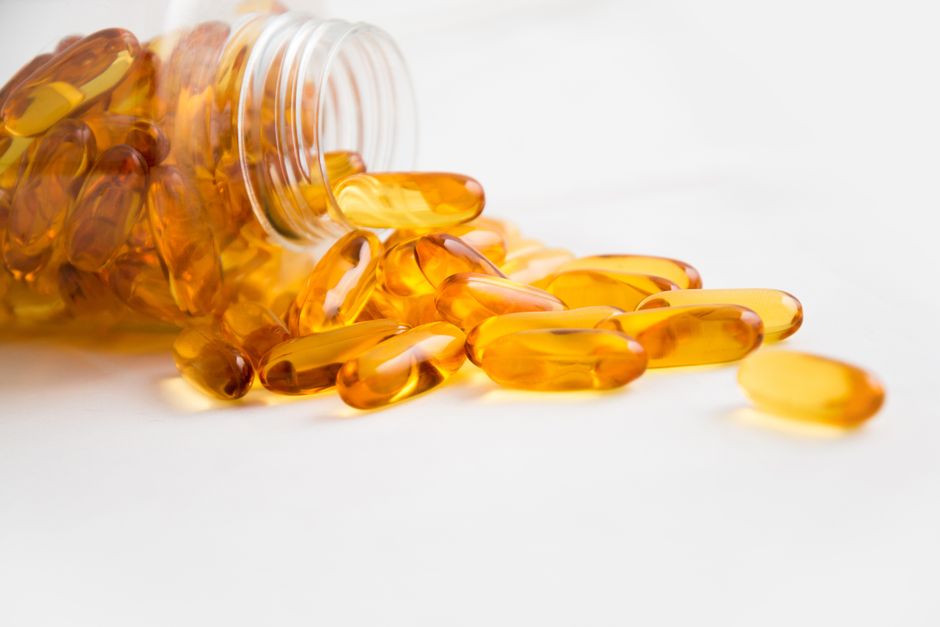
This is one of the most oversold areas in health marketing. Walk into any pharmacy and you will find products claiming to “support immune health.” Many contain vitamins and herbs at doses with little or no evidence of benefit in well-nourished people. Some carry real risks.
- High-dose vitamin A can be toxic and is particularly dangerous during pregnancy.
- Very high zinc intake over time can interfere with copper absorption and cause other problems.
- Some herbal products interact with prescription medications, including blood thinners and immunosuppressants.
- In the United States, supplements are regulated as food, not drugs, so they do not need to prove effectiveness before being sold.
There are situations where supplements are appropriate. People with documented deficiencies, certain older adults, people with restricted diets, and those with medical conditions affecting nutrient absorption may need them. Those decisions belong with a clinician who can check levels and account for interactions.
The pattern to remember: supplements fix gaps. They do not upgrade a system that is already working.
Which Foods Support Immune Health?
No single food strengthens immunity. A varied diet that covers your nutrient needs does the job, and it is easier to build than people expect.
Foods that contribute key immune nutrients include:
- Citrus fruits, bell peppers, broccoli, and strawberries for vitamin C.
- Fatty fish, eggs, and fortified foods for vitamin D, with sunlight as the main natural source.
- Meat, shellfish, legumes, seeds, and whole grains for zinc.
- Carrots, sweet potatoes, spinach, and liver for vitamin A.
- Beans, lentils, poultry, fish, and dairy for protein.
- Nuts, seeds, and vegetable oils for vitamin E.
Eating a range of colors and food groups across the week covers most bases. The goal is consistency, not perfection. A single “immune-boosting” meal does little. A steady pattern does more.
What Else Affects Immune Health Besides Food?
Nutrition is one input among several, and it cannot compensate for the others.
Sleep is a clear example. Research consistently links insufficient sleep to impaired immune function and higher susceptibility to infection. Chronic stress has similar effects, partly through hormones like cortisol that can suppress immune activity when elevated for long periods. Regular physical activity supports immune health, while very intense training without adequate recovery can temporarily suppress it. Smoking and heavy alcohol use both impair immune function.
Age matters too. Immune function tends to decline with age, a process sometimes called immunosenescence. This is one reason older adults are more vulnerable to infections, and it is part of why nutrient needs and deficiencies deserve attention in this group.
Underlying health conditions, certain medications, and genetics all play roles that diet cannot override. Good nutrition supports the system you have. It does not replace sleep, medical care, or treatment for existing conditions.
The Bottom Line on Nutrition and Immunity
Nutrition supports immune function by supplying the nutrients your body needs to build and operate its defenses. The strongest evidence is for the harm of deficiency, not for the benefit of excess. If you eat a varied diet and do not have a diagnosed deficiency, adding supplements is unlikely to help and may carry risks.
This is not a message that diet does not matter. It matters a great deal. It just works through adequacy and consistency rather than through any single hero nutrient. Fixing a real shortfall can restore immune function. Chasing a “boost” beyond that tends to disappoint.
Frequently Asked Questions
Does vitamin C prevent colds?
For most adults, routine vitamin C supplementation does not reduce how often colds occur. It may slightly shorten how long a cold lasts, and the benefit appears larger in people under extreme physical stress.
Can I boost my immune system with supplements?
No supplement has been shown to “boost” immune function in healthy, well-nourished adults. Supplements help mainly when they correct a documented deficiency.
What foods are best for immune health?
No single food strengthens immunity, but a varied diet rich in vegetables, fruits, whole grains, legumes, nuts, and lean protein covers the nutrients your immune system needs.
How long does it take for diet to affect immune health?
There is no established timeline, and it varies with the nutrient and the person. Correcting a deficiency can improve immune function over weeks, but no specific number of days applies to everyone.
