
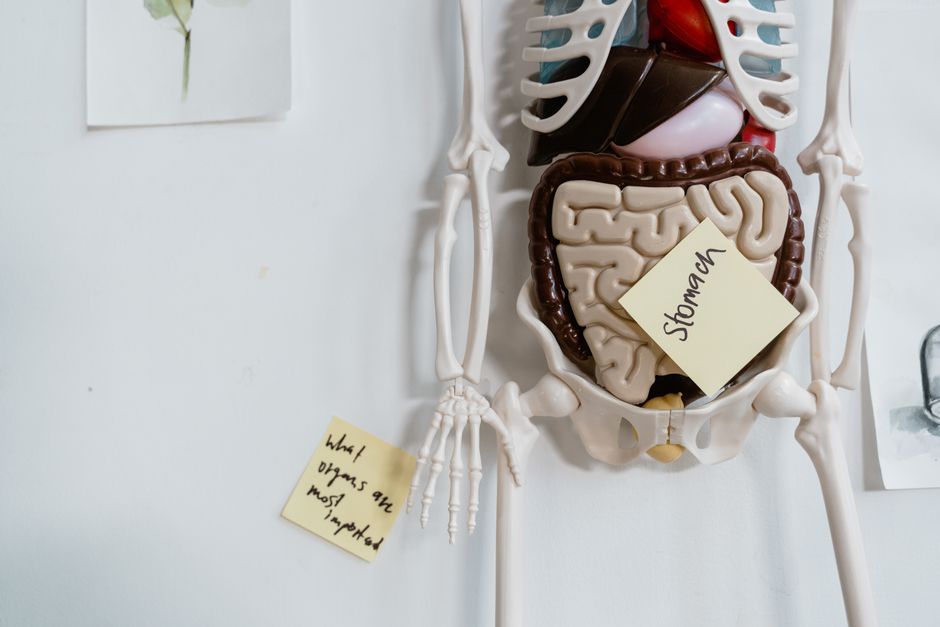
That burning sensation in your stomach is real. It is not just a feeling. Most of the time, that heat comes from stomach acid moving up into your esophagus or from irritation in your stomach lining. The medical term for this is heartburn or dyspepsia, and millions of people experience it regularly. But there are also less obvious reasons why your stomach feels hot inside, and knowing the difference matters for getting the right relief.
What Is Actually Happening When Your Stomach Feels Hot?
Your stomach is built to handle acid. Its lining has special cells that protect it from the hydrochloric acid that breaks down your food. But your esophagus does not have that same protection. When the valve between your stomach and esophagus — the lower esophageal sphincter — relaxes at the wrong time, acid splashes up. That acid burns the delicate tissue of your esophagus. That burning is what you feel as heat.
Sometimes the heat stays in your stomach itself. This usually means the stomach lining is inflamed, a condition called gastritis. The inflammation makes the nerves in your stomach more sensitive. What normally feels normal starts to feel like a hot, gnawing sensation. The lining is essentially irritated, and your body registers that irritation as heat.
Why Does Your Stomach Feel Hot Inside After Eating?
Food is the most common trigger for that hot stomach feeling. Large meals stretch your stomach and put pressure on the valve that keeps acid down. Spicy foods, especially those containing capsaicin from chili peppers, directly activate pain receptors in your stomach lining that register as heat. This is not acid reflux — it is your sensory nerves responding to a chemical irritant.
High-fat foods relax the lower esophageal sphincter. So does chocolate, peppermint, caffeine, and alcohol. When that valve gets loose, acid moves up. The result is a hot sensation that can last from a few minutes to a few hours. Acidic foods like tomatoes and citrus can also contribute directly by adding more acid into an already acidic environment.
Carbonated drinks expand your stomach and increase pressure. This pushes acid upward. If you notice a hot feeling most often after soda or sparkling water, the bubbles are likely the cause.
Can Stress Make Your Stomach Feel Hot?
Yes, and this is one of the most overlooked causes. Stress does not create acid out of nowhere, but it changes how your body handles it. When you are under stress, your body produces more gastric acid. At the same time, stress slows down digestion and reduces blood flow to your stomach lining. That combination — more acid and a more vulnerable lining — creates the perfect conditions for a burning sensation.
Stress also makes you more aware of normal bodily sensations. A mild irritation that you would normally ignore suddenly feels intense. This is called visceral hypersensitivity. It does not mean the heat is imaginary. It means your brain is amplifying a real signal. Some studies suggest that people with anxiety disorders report heartburn and indigestion at much higher rates than the general population.
If your hot stomach appears during stressful periods and disappears when you are calm, stress is likely a major factor. The treatment in that case is different from treating acid reflux alone.





What Medical Conditions Cause a Hot Sensation in the Stomach?
Several conditions can produce that burning feeling. Gastroesophageal reflux disease (GERD) is the most common. In GERD, the valve between the stomach and esophagus is chronically weak. Acid reflux happens regularly, and the esophagus becomes inflamed over time. The burning is frequent and can wake you up at night.
Gastritis is inflammation of the stomach lining itself. It can be acute — from an infection, medication, or alcohol — or chronic. Chronic gastritis is often caused by an infection with H. pylori bacteria. This infection is treatable with antibiotics. If your hot stomach has lasted for weeks or months, testing for H. pylori is worth discussing with your doctor.
Peptic ulcers are open sores in the stomach lining or the upper part of the small intestine. They cause a burning pain that feels like heat. The pain often gets worse when your stomach is empty and improves after eating. Ulcers are usually caused by H. pylori infection or long-term use of nonsteroidal anti-inflammatory drugs (NSAIDs) like ibuprofen or aspirin.
Functional dyspepsia is a diagnosis given when someone has persistent upper stomach symptoms but no visible damage on an endoscopy. The stomach looks normal, but it does not function normally. The burning sensation is real, but the cause is more about nerve sensitivity and motility issues than acid damage. This condition affects about 10-20% of people at some point in their lives.
How to Tell the Difference Between Heartburn and Gastritis
This distinction matters because the treatments differ. Heartburn is acid moving into the esophagus. You feel it behind your breastbone. It often comes with a sour taste in your mouth or a feeling of food coming back up. It is worse when you lie down or bend over.
Gastritis stays in the stomach. You feel the heat in the upper middle part of your abdomen, not behind your chest. It may come with nausea, a feeling of fullness after eating only a little, or a gnawing ache that does not go away. The sensation is more constant than the sudden burning of heartburn.
If you are unsure, pay attention to position. Lie down after a meal. If the burning gets worse, it is likely heartburn. If it stays the same or does not change, gastritis or dyspepsia is more likely.
When Should You See a Doctor for a Hot Stomach?
Occasional burning after a spicy meal is normal. But certain signs should prompt a medical visit. If the hot sensation happens more than twice a week, that is a pattern worth investigating. If it wakes you from sleep regularly, that suggests nighttime reflux, which can damage the esophagus over time.
Seek medical attention if you have trouble swallowing, if food feels like it is getting stuck, or if you have unexplained weight loss. Vomiting blood or passing black, tarry stools are emergency signs. These can indicate bleeding in the stomach or esophagus. Persistent burning in someone over 60 or with a family history of stomach cancer also warrants a closer look.
Most causes of a hot stomach are not emergencies. But ignoring persistent symptoms can lead to complications like esophagitis, Barrett’s esophagus, or chronic ulcers. A simple course of acid-suppressing medication or a course of antibiotics can resolve many cases completely.
What Actually Works for Relief?
For occasional heartburn, antacids like calcium carbonate or magnesium hydroxide neutralize acid quickly. They work within minutes but only last an hour or two. For longer relief, H2 blockers like famotidine reduce acid production for several hours. They are available over the counter.
Proton pump inhibitors (PPIs) like omeprazole are the most effective acid reducers. They block acid production at the source. But they are meant for short-term use — typically two to eight weeks. Long-term PPI use has been linked to vitamin B12 deficiency, kidney disease, and increased risk of certain infections. Do not take them indefinitely without medical supervision.
For gastritis, the treatment depends on the cause. If it is H. pylori, antibiotics are needed. If it is from NSAIDs, stopping those medications usually resolves the inflammation. If it is from alcohol, avoiding alcohol is the primary treatment.
Lifestyle changes work for most people. Eat smaller meals. Do not lie down within three hours of eating. Elevate the head of your bed by six to eight inches. Avoid trigger foods. Lose weight if you are overweight — excess abdominal fat increases pressure on the stomach. These changes are not dramatic, but they are effective.
Does Drinking Water Help a Hot Stomach?
Water can help in specific situations. If the hot sensation is from acid reflux, drinking water can dilute the acid and wash it back down into the stomach. This provides temporary relief. But if you drink too much water at once, you can distend your stomach and actually worsen reflux.
For gastritis, water does not directly soothe the inflamed lining. But staying hydrated supports digestion and helps the stomach lining repair itself. Warm water or herbal teas like chamomile or ginger tea are gentler than cold water for some people.
What does not help is drinking milk. Milk neutralizes acid briefly, but it also stimulates your stomach to produce more acid later. The relief is short-lived and often followed by a rebound effect.
Frequently Asked Questions
Can a hot stomach be a sign of something serious?
It can be, but it usually is not. Serious causes include bleeding ulcers, pancreatitis, or gallbladder disease. If the burning comes with vomiting blood, black stools, severe pain, or weight loss, see a doctor immediately.
Does stress alone cause a hot stomach?
Stress alone does not damage the stomach lining, but it increases acid production and makes you more sensitive to discomfort. Many people feel a hot stomach during high-stress periods that resolves completely when stress decreases.
How long does a hot stomach last after eating spicy food?
It typically lasts 30 minutes to a few hours. Capsaicin activates pain receptors, and the sensation fades as the spice moves through your digestive system. Drinking milk or eating yogurt can help neutralize the burning faster.
Is it safe to take antacids every day for a hot stomach?
No. Daily use of antacids can mask an underlying condition and lead to side effects like kidney problems or calcium imbalance. If you need antacids more than twice a week, see a doctor for a proper diagnosis.
