
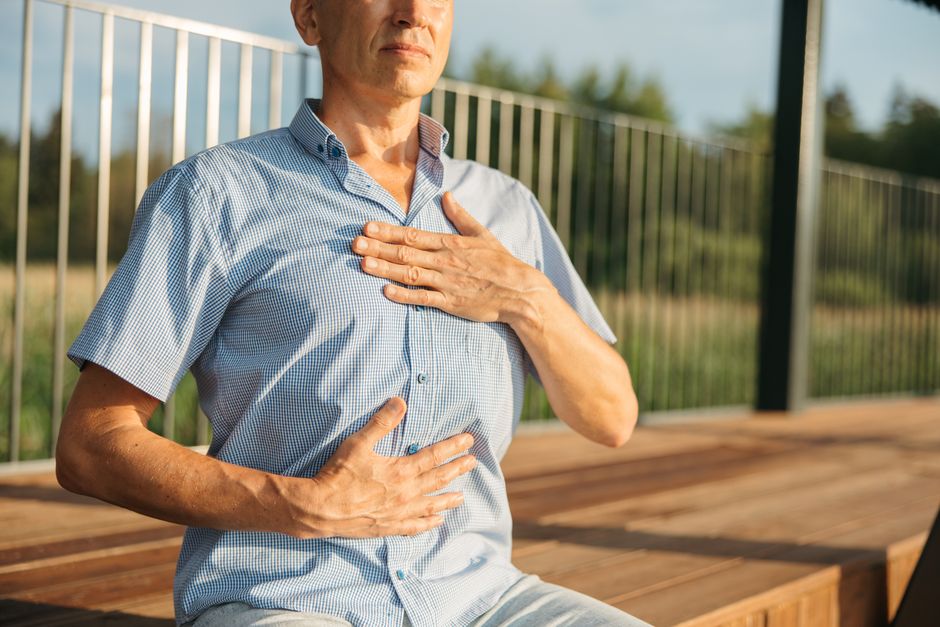
Chest pain in the middle of your chest can be frightening. It is also common. The causes range from something as minor as heartburn to a life-threatening heart attack. The key is knowing the difference. This article breaks down the most common causes, what the evidence actually says, and when you need to act fast. No hype. Just facts.
What Are the Most Common Causes of Mid-Chest Pain?
The middle of your chest houses your heart, esophagus, lungs, and major blood vessels. Pain here can come from any of these organs. It can also come from muscles, ribs, or nerves in the chest wall.
The most common cause of mid-chest pain seen in emergency rooms is musculoskeletal. This means the pain comes from muscles, cartilage, or ribs. Costochondritis is a prime example. This is inflammation where the ribs meet the breastbone. It hurts when you press on the area. It also hurts with deep breaths or twisting movements. This pain is real but not dangerous.
The second most common cause is gastroesophageal reflux disease (GERD) or heartburn. Stomach acid flows backward into the esophagus. The esophagus sits right behind the breastbone. This creates a burning sensation in the middle of the chest. Many people mistake this for heart pain.
Other common causes include anxiety and panic attacks. The chest tightness and racing heart can mimic a heart attack. Stress causes muscle tension in the chest wall. This adds to the discomfort.
Less common but serious causes include pulmonary embolism (a blood clot in the lung) and aortic dissection (a tear in the large artery from the heart). Both are medical emergencies. Both require immediate attention.
How Can You Tell the Difference Between Heartburn and a Heart Attack?
This is the question people ask most often. The honest answer is that you cannot always tell on your own. Even doctors use EKGs and blood tests to be sure. But there are patterns that help.
Heartburn typically causes a burning sensation that starts in the upper stomach and moves up. It often happens after eating. It gets worse when you lie down. Antacids usually help within minutes. There is no shortness of breath or sweating with heartburn alone.
A heart attack often causes pressure, squeezing, or fullness in the center of the chest. The pain may spread to the left arm, jaw, or back. It can come with shortness of breath, cold sweat, nausea, or lightheadedness. It does not get better with antacids. It does not change when you move or press on the chest.
The American Heart Association emphasizes that women may have different symptoms. Women are more likely to report shortness of breath, nausea, vomiting, and back or jaw pain. They are less likely to report the classic crushing chest pain.
One non-obvious point: heartburn that wakes you from sleep is more likely to be GERD. Heart attacks can wake you too, but the pattern is different. If antacids relieve the pain within 10-15 minutes, it is almost certainly not a heart attack. If the pain does not change with antacids, treat it as a heart emergency until proven otherwise.
What Does Research Show About Costochondritis and Chest Pain?
Research published in the American Family Physician journal shows that costochondritis accounts for 10-30% of chest pain visits to primary care doctors and emergency rooms. It is the most common cause of chest pain in children and young adults.
Costochondritis is inflammation of the cartilage connecting the ribs to the breastbone. The pain is sharp and localized. You can reproduce the pain by pressing on the spot. Deep breathing, coughing, or lying on the affected side makes it worse.
The condition is usually self-limiting. It resolves on its own within weeks to months. Treatment focuses on pain relief. Over-the-counter anti-inflammatories like ibuprofen or naproxen help. Ice or heat applied to the area can also reduce discomfort.
Some people report that their costochondritis flares up after heavy lifting, a bad cough, or an upper respiratory infection. The evidence supports this connection. Viral illnesses can trigger inflammation in the cartilage.
There is no evidence that costochondritis is dangerous. It does not damage the heart or lungs. But it can be very painful and anxiety-provoking. The main value of a diagnosis is ruling out more serious causes.





When Should You Worry About Middle Chest Pain?
Some symptoms demand immediate medical attention. Do not wait. Do not drive yourself. Call 911.
You should seek emergency care if your chest pain comes with any of these:
- Shortness of breath that does not go away
- Pain that spreads to your left arm, jaw, back, or neck
- Cold sweat or clammy skin
- Nausea or vomiting
- Lightheadedness or feeling like you might faint
- A rapid or irregular heartbeat
- Pain that starts suddenly and is severe
The CDC reports that about 805,000 Americans have a heart attack each year. About one in five heart attacks are silent. This means the person has no chest pain at all. They may only feel tired, short of breath, or have indigestion.
This is why you should never assume your chest pain is “just” something minor. If you are over 50, have diabetes, high blood pressure, or a family history of heart disease, your risk is higher. Even if the pain seems mild, get it checked.
One thing to watch for: pain that gets worse with exertion and gets better with rest. This is classic stable angina. It means your heart is not getting enough blood during activity. It is a warning sign. See a doctor soon.
What Are Less Common but Serious Causes of Mid-Chest Pain?
A few conditions are rare but worth knowing about. They can present as middle chest pain.
Pulmonary embolism is a blood clot in the lung. It causes sudden sharp chest pain that gets worse with deep breaths. It often comes with shortness of breath, coughing up blood, and a rapid heartbeat. People at higher risk include those who have been immobile for long periods, have had recent surgery, or have a history of blood clots.
Aortic dissection is a tear in the inner layer of the aorta. It causes sudden, severe, tearing pain in the chest that may move to the back. This is a true emergency. Without treatment, it can be fatal within hours. It is more common in people with uncontrolled high blood pressure.
Pericarditis is inflammation of the sac around the heart. It causes sharp chest pain that is worse when lying down and better when sitting up and leaning forward. It often follows a viral infection. The pain can be severe but the condition is usually not life-threatening with treatment.
Panic attacks can cause chest pain that feels exactly like a heart attack. The difference is that panic attacks often come with a sense of doom, trembling, and a racing heart. They usually peak within 10 minutes and then fade. But never assume chest pain is “just” a panic attack. Let a doctor make that call.
Why Does the Middle of Your Chest Hurt: Common Misconceptions
There are many myths about chest pain. Here are the ones that cause the most trouble.
| Myth | Fact |
|---|---|
| If it is a heart attack, the pain will be crushing and severe. | Many heart attacks start with mild pressure or discomfort. Some people feel nothing at all. |
| Young people do not have heart attacks. | Heart attacks can happen at any age. Risk factors like smoking, obesity, and diabetes increase the risk even in your 30s and 40s. |
| If the pain goes away, you are fine. | Angina and even some heart attacks can come and go. Pain that goes away with rest is still a warning sign. |
| Heartburn is never serious. | Severe GERD can damage the esophagus over time. It can also mimic a heart attack. Always take new or worsening heartburn seriously. |
| Anxiety cannot cause real chest pain. | Anxiety causes real physical symptoms, including chest tightness and pain. The pain is real even though the cause is not cardiac. |
The most dangerous myth is that you can diagnose yourself. You cannot. The evidence is clear that people are terrible at telling the difference between cardiac and non-cardiac chest pain. A 2018 study in Circulation found that about 50% of people having a heart attack did not recognize it. They waited too long to get help.
If you are unsure, err on the side of caution. Emergency rooms are set up to rule out heart attacks quickly. A negative EKG and normal blood tests can give you peace of mind.
Frequently Asked Questions
Can gas cause pain in the middle of the chest?
Yes. Trapped gas in the stomach or colon can push against the diaphragm and cause sharp pain under the breastbone. It usually passes with burping or passing gas.
How long should I wait before seeing a doctor for chest pain?
Do not wait. If the pain is new, severe, or comes with any other symptoms like shortness of breath or nausea, seek emergency care immediately.
Can stress alone cause middle chest pain?
Yes. Stress and anxiety can cause muscle tension in the chest wall and trigger panic attacks that produce real chest pain. But always rule out heart causes first.
What does cardiac chest pain feel like compared to muscle pain?
Cardiac pain is usually a pressure or squeezing that does not change with movement. Muscle pain is sharp, localized, and gets worse when you press on the spot or twist your torso.
