
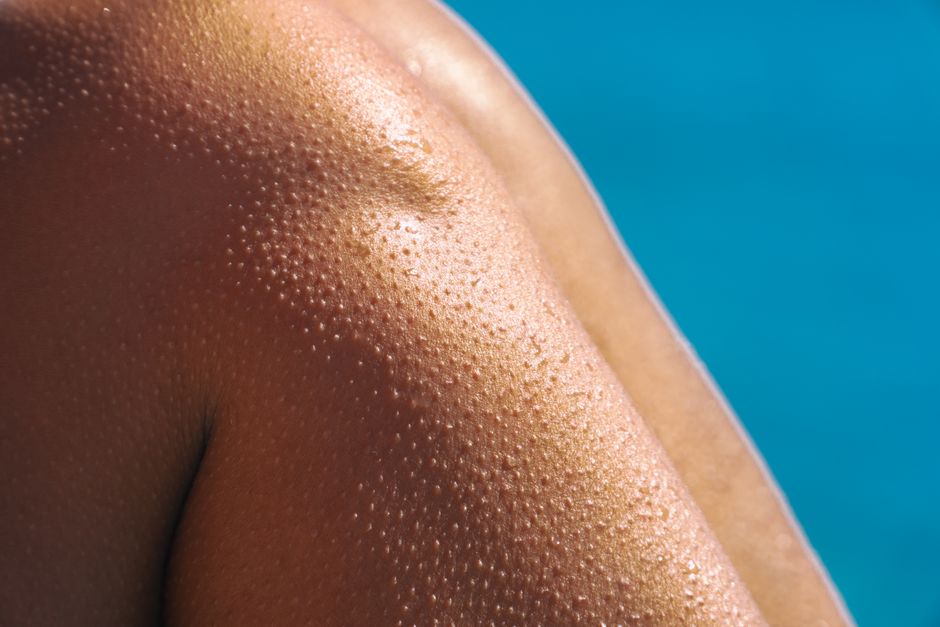
Chest bumps can be alarming, but most are not dangerous. The causes range from acne and cysts to harmless fatty growths and inflamed hair follicles. Treatment depends entirely on what the bump actually is, which is why accurate identification matters more than any cream or home remedy. This article explains the common causes of chest bumps and what medical evidence says about treating them.
What Causes Bumps on the Chest?
Chest bumps are not one single condition. They come from several different skin issues, each with its own cause. The most common is acne vulgaris, which happens when hair follicles get clogged with oil and dead skin cells. The chest has many oil glands, making it a prime spot for breakouts.
Another frequent cause is folliculitis. This is an infection or inflammation of the hair follicle. It often looks like small red bumps or white-headed pimples. Bacteria, especially Staphylococcus aureus, are usually to blame. Tight clothing, sweating, and shaving can trigger it.
Seborrheic keratoses are also very common, especially in people over 40. These are non-cancerous growths that can look waxy, scaly, or like they are stuck on the skin. They are not harmful and do not turn into cancer. The American Academy of Dermatology states they are simply a sign of aging skin.
Less common but still possible causes include cysts, lipomas (fatty lumps), and cherry angiomas (small red spots made of blood vessels). In rare cases, a bump could be a sign of something more serious like an infected cyst or a skin cancer. This is why a doctor should look at any new, changing, or painful bump.
How To Get Rid Of Chest Bumps Causes And Treatments Based on Type
The treatment for chest bumps is not one-size-fits-all. What works for acne will not work for a seborrheic keratosis. Matching the treatment to the exact cause is the only effective approach.
For acne on the chest, over-the-counter products containing benzoyl peroxide or salicylic acid are the first line of defense. Benzoyl peroxide kills bacteria and dries out excess oil. Salicylic acid helps unclog pores. Research published in the Journal of the American Academy of Dermatology confirms these ingredients are effective for mild to moderate acne. Apply a thin layer to clean, dry skin once daily. Increase to twice daily if your skin tolerates it.
For folliculitis, the treatment changes. Antibacterial washes containing chlorhexidine or benzoyl peroxide can help. Avoid shaving the area until it clears. If the infection is bacterial, a doctor may prescribe a topical or oral antibiotic. A 2014 study in Dermatology and Therapy found that topical clindamycin is effective for bacterial folliculitis.
For seborrheic keratoses, no treatment is medically necessary. They are benign. If you want them removed for cosmetic reasons, a dermatologist can freeze them with liquid nitrogen (cryotherapy) or scrape them off (curettage). Do not try to cut or pick them off at home. That risks infection and scarring.
For cysts or lipomas, medical removal is the only reliable treatment. A doctor can drain or excise a cyst. Lipomas usually do not need treatment unless they are painful or growing. The CDC notes that skin infections from improperly drained cysts are a common reason for emergency visits.
| Type of Bump | Common Cause | First-Line Treatment |
|---|---|---|
| Acne | Clogged pores, bacteria | Benzoyl peroxide, salicylic acid |
| Folliculitis | Infected hair follicle | Antibacterial wash, topical antibiotic |
| Seborrheic keratosis | Skin aging | No treatment needed; cryotherapy for removal |
| Cyst | Blocked oil gland | Medical drainage or excision |
| Lipoma | Fatty tissue growth | Observation or surgical removal |
| Cherry angioma | Blood vessel overgrowth | No treatment needed; laser removal optional |
What Home Remedies Actually Work for Chest Bumps?
Many people search for natural remedies for chest bumps. The evidence for most is thin. Some home approaches have real support, while others are just popular online claims.
Tea tree oil has some evidence behind it for acne. A small study in the Medical Journal of Australia found that 5% tea tree oil gel was effective for mild to moderate acne, though slower than benzoyl peroxide. It works by killing bacteria and reducing inflammation. Dilute it with a carrier oil like jojoba to avoid skin irritation.
Warm compresses can help with inflamed cysts or folliculitis. Applying a clean, warm cloth for 10-15 minutes three times a day may help bring the infection to a head or reduce swelling. This is a low-risk approach that many dermatologists recommend.
Apple cider vinegar is widely claimed to treat acne and skin bumps. Strong evidence is lacking. Some people report improvement, but no major clinical trials support its use. The acidity can also burn the skin if used undiluted. It is not a reliable treatment.
Aloe vera has anti-inflammatory properties. A 2019 review in Clinical and Experimental Dermatology noted that aloe vera may help with acne-related inflammation. It will not cure the underlying cause, but it can soothe irritated skin. Use pure aloe gel, not a product with added fragrances.

What to Avoid When Treating Chest Bumps
Some common advice for treating chest bumps is wrong or even harmful. Knowing what not to do is just as important as knowing what works.
- Do not pop or squeeze bumps. This pushes bacteria and debris deeper into the skin. It can turn a small pimple into a painful, infected cyst. Scarring is also more likely.
- Avoid harsh scrubbing. Scrubbing the chest with a rough loofah or scrub can irritate the skin and worsen folliculitis. Gentle cleansing with your hands or a soft cloth is better.
- Do not use heavy body lotions on acne-prone skin. Thick creams can clog pores. Look for “non-comedogenic” on the label, which means the product is less likely to block pores.
- Avoid tight clothing during workouts. Moisture and friction from tight shirts can trigger folliculitis. Wear loose, breathable fabrics like cotton or moisture-wicking materials.
- Do not ignore bumps that change or grow. Most chest bumps are harmless, but any bump that changes shape, color, or size should be checked by a dermatologist. The Skin Cancer Foundation recommends the ABCDE rule for moles: asymmetry, border irregularity, color variation, diameter over 6mm, and evolution.
When Should You See a Doctor for Chest Bumps?
Most chest bumps do not require a doctor visit. But there are clear signs that medical attention is needed. If a bump is painful, red, warm, or leaking pus, it may be infected. An infection can spread and become more serious without treatment.
If a bump does not go away after several weeks of home treatment, see a dermatologist. Persistent bumps may be cysts or growths that need professional removal. A bump that bleeds, itches, or changes in appearance also warrants a checkup.
People with a weakened immune system or a history of skin cancer should be more cautious. The American Cancer Society states that skin cancer can appear anywhere on the body, including the chest. A dermatologist can perform a skin exam and biopsy if needed.
One non-obvious point: chest bumps in women can sometimes be linked to hormonal changes. Birth control, pregnancy, and menopause can all affect oil production and acne. If your chest bumps seem to flare with your menstrual cycle, a gynecologist or dermatologist can help with hormonal management.
Common Misconceptions About Chest Bumps
A few myths about chest bumps keep circulating online. Let me clear them up directly.
Myth: All chest bumps are acne. This is false. Many people assume any bump on the chest is acne, but folliculitis, cysts, and seborrheic keratoses are all different conditions. Treating folliculitis with acne medication can make it worse because acne treatments often dry the skin and irritate inflamed follicles.
Myth: You can shrink a cyst with toothpaste. This is a persistent home remedy with zero evidence. Toothpaste contains ingredients that can dry the skin, but it does not treat the cyst wall. The cyst will likely refill. Worse, it can cause a chemical burn or contact dermatitis.
Myth: Chest bumps mean poor hygiene. This is not true. Acne and folliculitis are not caused by being dirty. Hormones, bacteria, and genetics play a much larger role. Over-washing can actually make bumps worse by stripping the skin’s protective barrier.
Frequently Asked Questions
Can chest bumps be a sign of cancer?
Most chest bumps are benign, but a new or changing bump should be checked by a dermatologist. Skin cancer can appear as a bump, so any growth that bleeds, itches, or changes shape needs evaluation.
How long do chest bumps take to go away?
Acne bumps usually clear within 1-2 weeks with treatment. Cysts and seborrheic keratoses do not go away on their own and require medical removal. Folliculitis often resolves within a few days of starting antibacterial treatment.
Is it safe to pop a chest bump at home?
No. Popping any bump increases the risk of infection, scarring, and spreading bacteria. It is especially dangerous for cysts and infected follicles. Leave bumps alone or see a dermatologist for safe removal.
What is the best soap for chest bumps?
A mild antibacterial soap or a body wash containing benzoyl peroxide or salicylic acid is best for acne and folliculitis. Avoid heavily fragranced soaps that can irritate the skin. Use lukewarm water and gentle patting to dry.
