
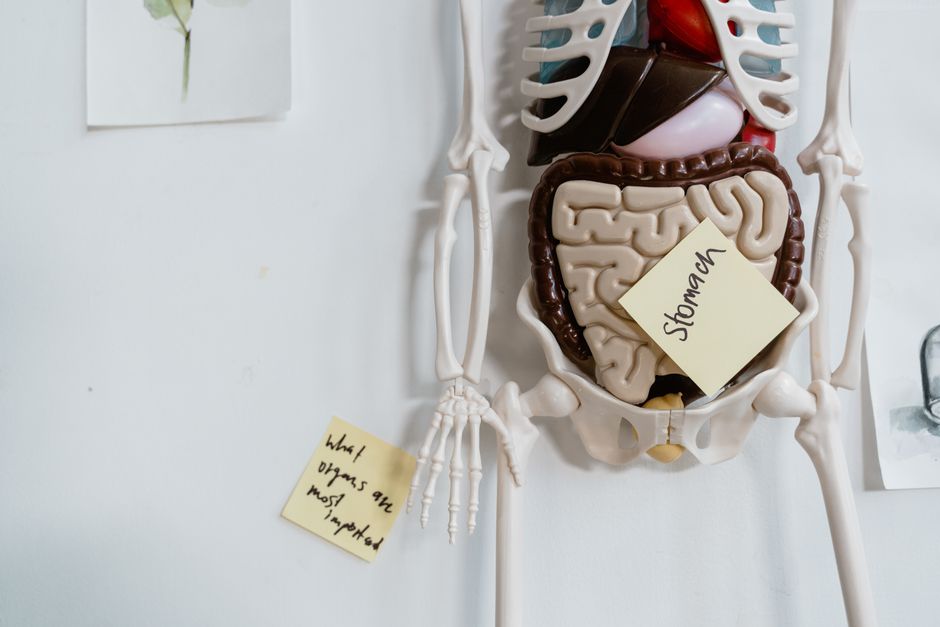
Pain in the left lower side of your stomach is common and often harmless. It is usually caused by gas, constipation, or muscle strain. However, the same area can also signal more serious conditions involving your intestines, kidneys, or reproductive organs. Knowing the difference between a passing cramp and a warning sign comes down to how the pain feels, how long it lasts, and what other symptoms appear with it.
What Organs Are Located in the Left Lower Abdomen?
The left lower quadrant of your abdomen contains several important structures. The most prominent is the descending colon and the sigmoid colon, which are parts of your large intestine. Stool passes through these sections before reaching the rectum.
In women, the left ovary and fallopian tube sit in this area. The left ureter, which carries urine from the left kidney to the bladder, also runs through this region. In men, the left spermatic cord passes through the lower abdomen. Muscles of the abdominal wall and the left hip joint lie beneath the surface as well.
Because so many different tissues occupy this space, pain here can come from several sources. The location alone does not tell you the cause. The character of the pain and its associated symptoms matter more.
What Are the Most Common Causes of Left Lower Stomach Pain?
Most cases of left lower abdominal pain are brief and resolve without treatment. Gas buildup and constipation top the list. When stool moves slowly through the sigmoid colon, it stretches the bowel wall and causes cramping. Passing gas or having a bowel movement usually relieves this type of pain.
Diverticulitis is another common cause. Diverticula are small pouches that can form in the wall of the colon. When one of these pouches becomes inflamed or infected, it produces sharp, steady pain on the left side. Fever, nausea, and changes in bowel habits often accompany diverticulitis.
Muscle strain from exercise or sudden movement can also produce localized pain. This pain typically worsens with certain movements and improves with rest. Unlike bowel-related pain, muscle pain does not change with eating or passing gas.
Kidney stones passing through the left ureter can cause severe pain that radiates from the flank toward the groin. This pain often comes in waves and may be accompanied by blood in the urine.
When Should Left Lower Stomach Pain Be Taken Seriously?
Some causes of left lower abdominal pain require urgent medical attention. Seek emergency care if the pain is severe, worsens over hours, or prevents you from standing upright. Pain accompanied by fever, persistent vomiting, or blood in the stool also warrants immediate evaluation.
In women, ovarian torsion is a surgical emergency. This occurs when the ovary twists on its blood supply. The pain is sudden, severe, and often comes with nausea. Ovarian cysts that rupture can also cause sudden sharp pain, though this is usually less dangerous.
Ectopic pregnancy must be ruled out in any woman of childbearing age with left lower abdominal pain. This condition occurs when a fertilized egg implants outside the uterus, usually in a fallopian tube. It can cause sharp pain and vaginal bleeding, and it is life-threatening if the tube ruptures.
In men, pain in this area can signal testicular torsion, where the spermatic cord twists and cuts off blood flow to the testicle. This requires immediate surgery to save the testicle.
A strangulated hernia is another emergency. If a section of intestine becomes trapped and its blood supply is cut off, the tissue dies quickly. Symptoms include severe pain, a bulge that cannot be pushed back in, nausea, and vomiting.





How Does the Pain Pattern Help Identify the Cause?
Pay attention to what the pain does over time. Cramping pain that comes and goes in waves often points to the intestines. Gas and constipation produce this pattern. So does irritable bowel syndrome, a chronic condition that affects how the gut contracts.
Steady, constant pain that gradually worsens suggests inflammation. Diverticulitis and inflammatory bowel disease, such as ulcerative colitis, typically produce this pattern. The pain may increase when you move or cough.
Sudden, tearing pain that reaches maximum intensity within minutes is concerning. This pattern can indicate a perforated bowel, a ruptured ovarian cyst, or a twisted ovary. These conditions require urgent medical evaluation.
Pain that radiates to the back or groin often involves the urinary tract. Kidney stones classically cause this type of radiation. Pain that moves to the testicle in men or the labia in women is especially suggestive of a stone moving down the ureter.
What Conditions Affect Women Specifically?
Women have additional causes of left lower abdominal pain that men do not face. Endometriosis occurs when uterine-like tissue grows outside the uterus. It can cause chronic pelvic pain that worsens around menstruation. The pain may be sharp or cramping and often intensifies during sex or bowel movements.
Ovarian cysts are fluid-filled sacs that form on the ovary. Most are harmless and disappear on their own. Larger cysts can cause a dull ache or sharp pain, especially during ovulation or physical activity. A cyst that ruptures can cause sudden, intense pain that gradually eases over days.
Pelvic inflammatory disease is an infection of the reproductive organs, usually caused by sexually transmitted bacteria. It produces pain in the lower abdomen on either side, along with abnormal vaginal discharge and fever. Untreated, it can cause infertility.
What Tests Do Doctors Use to Diagnose Left Lower Stomach Pain?
Your doctor will start with a history and physical exam. They will ask about the pain’s onset, quality, and what makes it better or worse. They will also ask about bowel habits, urinary symptoms, and menstrual history in women.
A urine test checks for infection, blood, or kidney stones. A complete blood count can reveal signs of infection or inflammation. If diverticulitis or an abscess is suspected, a CT scan of the abdomen is the most accurate imaging test.
Ultrasound is often the first imaging choice for women with pelvic pain. It can show ovarian cysts, ovarian torsion, ectopic pregnancy, and uterine abnormalities. In men, ultrasound can evaluate the testicles and rule out torsion.
Colonoscopy may be recommended if the pain is chronic and accompanied by changes in bowel habits, bleeding, or unintentional weight loss. This test allows direct visualization of the colon and can detect diverticulitis, inflammatory bowel disease, or tumors.
How Is Left Lower Stomach Pain Treated?
Treatment depends entirely on the cause. For gas and constipation, increasing water intake, eating more fiber, and walking often help. Over-the-counter laxatives or stool softeners may be appropriate for short-term constipation relief.
Mild diverticulitis may be treated at home with a liquid diet, rest, and oral antibiotics. More severe cases require hospitalization with intravenous antibiotics. Surgery is reserved for complications like abscess, perforation, or recurrent attacks.
Irritable bowel syndrome is managed with dietary changes, stress reduction, and sometimes prescription medications. There is no cure, but symptoms can be controlled. Keeping a food diary helps many people identify triggers.
Ovarian cysts usually require no treatment unless they are large, painful, or suspicious. Surgery may be needed in those cases. Endometriosis is treated with hormonal medications or surgery to remove endometrial tissue.
Kidney stones smaller than about 5 millimeters often pass on their own with hydration and pain medication. Larger stones may require procedures to break them up or remove them. No specific size threshold guarantees passage, so your doctor will guide this decision.
Can Home Remedies Help With Mild Left Lower Stomach Pain?
For mild pain that you are confident is from gas or constipation, some home measures are reasonable. A heating pad on the abdomen can relax muscles and ease cramping. Gentle walking promotes bowel movement and helps pass gas.
Drinking warm liquids, such as herbal tea or warm water with lemon, may stimulate digestion. Avoiding carbonated drinks and chewing gum reduces swallowed air. Eating smaller, more frequent meals can prevent the bowel from becoming overstretched.
These measures are only appropriate when the pain is mild, you have no fever, and you are otherwise feeling well. If pain persists beyond a few hours, worsens, or is accompanied by any concerning symptoms, stop home treatment and seek medical advice.
Frequently Asked Questions
Can left lower stomach pain be caused by gas?
Yes, gas is one of the most common causes of left lower abdominal pain. The gas collects in the descending colon, stretches the bowel wall, and produces cramping that usually resolves after passing gas.
How long should left lower stomach pain last before seeing a doctor?
See a doctor if the pain lasts more than a few hours, keeps getting worse, or is severe enough to interfere with normal activity. Seek emergency care immediately if the pain is sudden and intense, or if it comes with fever, vomiting, or blood in the stool.
Is left lower stomach pain a sign of appendicitis?
No, appendicitis typically causes pain in the right lower abdomen. The appendix is located on the right side. Left lower pain is more likely related to the colon, left kidney, or reproductive organs.
Can stress cause left lower stomach pain?
Stress can contribute to abdominal pain through its effects on gut motility. The brain and gut are connected through the nervous system, and stress can trigger cramping, bloating, and altered bowel habits, especially in people with irritable bowel syndrome.
