
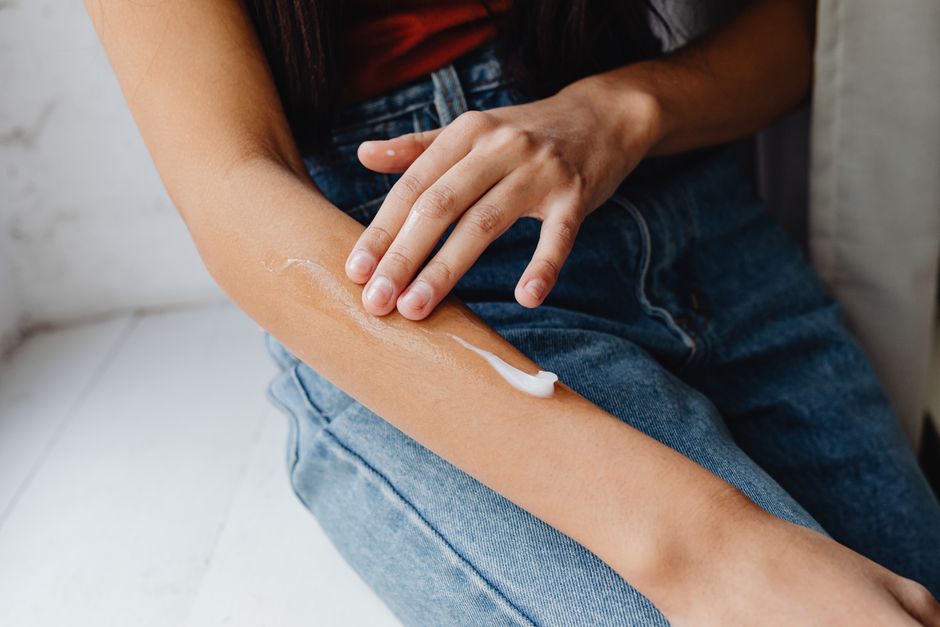
Itchy skin at night is a frustrating problem that can ruin sleep and leave you exhausted the next day. The urge to scratch often feels strongest right when you are trying to rest. This happens because your body’s natural rhythms, skin physiology, and even your bedroom environment all change at night. Understanding why this happens is the first step to finding real relief and getting the rest you need.
Why Does My Skin Get Itchy At Night Causes Relief
Your skin becomes itchier at night for several clear reasons. Your body’s internal clock, called the circadian rhythm, drives changes in hormone levels, skin temperature, and fluid balance. These changes can directly trigger or worsen itching. At night, your body produces less cortisol, a hormone that naturally controls inflammation. Your skin also loses more water overnight, making it drier and more easily irritated. On top of these internal shifts, your skin temperature rises in the evening, which can make nerve endings more sensitive to itch signals.
Many people also experience a higher sensitivity to itch signals when they are not distracted. During the day, work, conversation, and activity pull your attention away. At night, in a quiet, dark room, the itch sensation becomes the main focus. This combination of physical changes and reduced distraction makes nighttime itching a common and disruptive problem.
What Happens to Your Skin at Night
Your skin behaves differently at night than during the day. Research has shown that skin cells follow a daily rhythm. Cell renewal and repair happen more actively while you sleep. Blood flow to the skin increases in the evening, which raises skin temperature. Warmer skin can intensify the itch sensation because heat triggers nerve endings in the outer layer of skin.
Water loss is another major factor. Your skin loses more water at night through a process called transepidermal water loss. This means your skin becomes drier overnight, especially if your bedroom air is dry. Dry skin is more prone to itching because the outer barrier becomes less effective at protecting nerve endings. When the skin barrier is weak, irritants and allergens can penetrate more easily, triggering an itch response.
Your body’s hormone levels also shift overnight. Cortisol, which has anti-inflammatory effects, drops to its lowest levels in the late evening. Meanwhile, histamine levels can rise. Histamine is a chemical your body releases during allergic reactions and it directly causes itching. This hormonal shift can make existing skin conditions like eczema or hives feel worse at night.
Common Causes of Nighttime Itching
Several conditions and situations can cause or worsen nighttime itching. Some are simple environmental factors. Others are medical conditions that need attention.
Dry skin is one of the most common causes. Many people have naturally dry skin that worsens overnight due to water loss. Low humidity in your bedroom, especially during winter or in air-conditioned rooms, makes this worse.
Skin conditions like eczema, psoriasis, and dermatitis often flare at night. These conditions involve inflammation in the skin that responds to body temperature changes and hormone shifts. The itching from these conditions frequently peaks in the evening.
Allergies to dust mites, pet dander, or laundry detergents can trigger nighttime itching. Your bed sheets and pillowcases collect dust mites and allergens over time. When you lie down, your skin comes into direct contact with these triggers for hours.
Bed bugs and other insect bites can cause intense itching that feels worse at night. Bed bugs are most active during the night while you sleep. If you wake up with new itchy bites in a line or cluster, bed bugs may be the cause.
Restless legs syndrome is sometimes confused with itching. This condition causes an uncomfortable sensation in the legs that creates a strong urge to move them. Some people describe this feeling as itchy or crawly. It typically worsens in the evening and at night.
Medical conditions such as kidney disease, liver disease, thyroid problems, and iron deficiency anemia can cause generalized itching. This type of itching often affects the whole body and may be worse at night. If your itching is severe, persistent, or accompanied by other symptoms, you should see a doctor.





How Your Sleep Environment Affects Itching
Your bedroom and bedding play a large role in nighttime itching. The temperature of your room matters. A warm room raises your skin temperature, which intensifies itching. Most sleep experts recommend keeping your bedroom cool, around 65 degrees Fahrenheit, for better sleep and less skin irritation.
Your bedding materials can also cause problems. Synthetic fabrics like polyester trap heat and moisture against your skin. This can irritate sensitive skin and worsen itching. Natural, breathable fabrics like cotton allow air to circulate and help regulate skin temperature. Some people find that hypoallergenic bedding made for sensitive skin reduces their nighttime itching.
Dust mites are microscopic creatures that live in bedding, mattresses, and pillows. They feed on dead skin cells and thrive in warm, humid environments. Many people are allergic to dust mite droppings, which can cause itching and skin irritation. Washing your sheets weekly in hot water can help reduce dust mite populations.
Your laundry detergent and fabric softener can also be a culprit. Some products contain fragrances, dyes, and chemicals that irritate sensitive skin. Switching to a fragrance-free, dye-free detergent designed for sensitive skin may help. The same applies to body washes and soaps used in your evening shower.
Effective Ways to Get Relief Tonight
You can take several steps to reduce nighttime itching and improve your sleep. These strategies address both the physical causes and the environmental triggers.
Moisturize before bed. Apply a thick, fragrance-free moisturizer within a few minutes of showering. This locks moisture into your skin and strengthens the skin barrier. Look for products containing ceramides, which help repair the skin barrier, or colloidal oatmeal, which has soothing properties.
Take a lukewarm shower. Hot water strips your skin of natural oils and worsens dryness. A lukewarm shower or bath is gentler on your skin. Some people find that adding colloidal oatmeal or baking soda to a bath helps calm itchy skin. Keep your shower under 10 minutes to avoid excessive water loss.
Keep your bedroom cool. Lower your thermostat or use a fan to keep your skin temperature down. Avoid heavy blankets that trap heat. Use light, breathable layers that you can adjust during the night.
Wear soft, loose clothing to bed. Tight or rough fabrics can irritate your skin as you move during sleep. Choose loose-fitting pajamas made from soft cotton or bamboo. Avoid wool and synthetic materials that can feel scratchy.
Use a humidifier. If your bedroom air is dry, a humidifier adds moisture to the air. This helps prevent your skin from losing water overnight. Keep humidity levels between 30 and 50 percent for comfort without promoting dust mite growth.
Wash your bedding regularly. Wash sheets, pillowcases, and blankets weekly in hot water to remove dust mites, allergens, and skin cells. Use a fragrance-free detergent and skip fabric softener, which can leave a residue that irritates skin.
Try a cold compress. If itching keeps you awake, apply a cold, damp cloth to the itchy area for a few minutes. Cold numbs the nerve endings and reduces the itch sensation. This provides temporary relief without medication.
Consider an over-the-counter antihistamine. For itching caused by allergies or histamine release, a non-drowsy antihistamine taken in the morning or a sedating antihistamine at night may help. Sedating antihistamines like diphenhydramine can make you drowsy, which may help you sleep, but they should not be used long-term without talking to your doctor. Always follow the dosing instructions on the label.
Apply a hydrocortisone cream. For mild itching from eczema or insect bites, a low-strength hydrocortisone cream can reduce inflammation and itching. This is available over the counter. Use it sparingly and only on small areas unless directed by a doctor.
When to See a Doctor
Nighttime itching is not always something you can manage on your own. You should see a doctor if your itching is severe, lasts longer than two weeks, or does not improve with home care. You should also seek medical advice if the itching covers your entire body or is accompanied by other symptoms.
Seek medical attention promptly if you have itching along with unexplained weight loss, fatigue, fever, or night sweats. These symptoms can indicate an underlying medical condition that needs evaluation. Itching that interferes with your daily life or causes you to lose sleep regularly is worth a medical visit.
A doctor can help identify the underlying cause of your itching. They may run blood tests to check for conditions like thyroid disease, iron deficiency, or liver and kidney problems. They can also prescribe stronger treatments if over-the-counter options are not effective.
Lifestyle Changes That Reduce Nighttime Itching
Some long-term habits can reduce how often and how intensely your skin itches at night. These changes address the root causes rather than just the symptoms.
Stay hydrated during the day. Drinking enough water keeps your skin hydrated from the inside. While water alone cannot cure dry skin, dehydration can make dryness worse. Aim for regular water intake throughout the day, not just when you feel thirsty.
Manage stress. Stress can trigger or worsen skin conditions like eczema and psoriasis. Stress raises cortisol levels, which can disrupt your skin barrier and increase inflammation. Regular exercise, meditation, or deep breathing can help manage stress levels.
Limit caffeine and alcohol in the evening. Caffeine can keep you awake and increase restlessness, which makes you more aware of itching. Alcohol causes dehydration and dilates blood vessels, which can worsen skin flushing and itching. Reducing both in the evening can improve sleep quality and skin comfort.
Establish a consistent sleep schedule. Going to bed and waking up at the same time each day helps regulate your circadian rhythm. A stable rhythm may help reduce the nighttime hormone shifts that trigger itching.
Choose skin-friendly products. Use gentle, fragrance-free cleansers and moisturizers consistently. Avoid products with alcohol, which dries the skin. Look for labels that say “for sensitive skin” or “fragrance-free” to minimize irritation.
Frequently Asked Questions
Why does my skin itch more at night than during the day?
Your body’s circadian rhythm causes skin temperature to rise and cortisol levels to drop at night, which can intensify itch signals. You also have fewer distractions at night, so you notice the itching more.
Can dry skin alone cause nighttime itching?
Yes, dry skin is one of the most common causes of nighttime itching. Your skin loses more water overnight, which weakens the skin barrier and makes nerve endings more sensitive to irritation.
What is the fastest way to stop itching at night?
Applying a thick fragrance-free moisturizer before bed and keeping your bedroom cool are the fastest non-medication approaches. A cold compress on the itchy area also provides quick temporary relief.
When should I worry about nighttime itching?
See a doctor if itching lasts more than two weeks, covers your whole body, or comes with weight loss, fatigue, or fever. These symptoms can point to an underlying medical condition that needs evaluation.
