
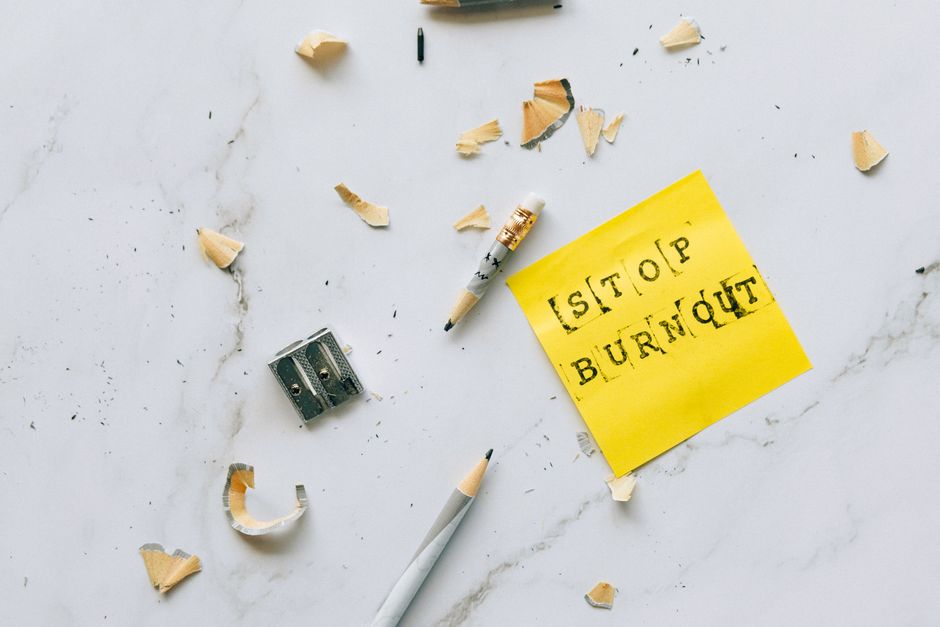
Pencil lead keeps breaking because of common issues like dropping the pencil, too much pressure, a dull or damaged sharpener, or the type of pencil you are using. The fix is usually simple: hold the pencil at a shallower angle when sharpening, use a sharp blade, and choose a pencil with harder lead. Most breakage is not the pencil’s fault — it is how you handle it.
Why does my pencil lead keep breaking when I sharpen it?
The most common reason is that you are pressing too hard against the blade. Pencil lead is baked clay and graphite, not actual lead. It is brittle. When you jam the pencil into a sharpener you are putting sideways pressure on the tip before it is even formed.
Another cause is a dull blade. A dull sharpener does not cut cleanly. It crushes and snaps the graphite instead of shaving it. If your sharpener is old or cheap replace it. A sharp blade makes a huge difference.
Some sharpeners have too wide an opening. The pencil wobbles inside. That wobble snaps the tip before the blade touches it. Handheld sharpeners with a single hole are usually more stable than the cheap two-hole plastic ones.
Does the type of pencil matter for breaking lead?
Yes. Pencils are graded by hardness. The scale goes from 9H (very hard) to 9B (very soft). Standard writing pencils are HB or #2. Harder lead breaks less often. Softer lead writes darker but snaps more easily.
If you press hard when you write you need a harder pencil. An HB or harder lead like F or H will hold up better. If you use a 2B or 4B for drawing you will see more breakage because the lead is designed to be soft and dark.
Cheap pencils also break more. The graphite may have air pockets or uneven baking. Good brands like Staedtler, Faber-Castell, or Tombow have more consistent lead. You do not need expensive pencils but avoid the bulk pack from a dollar store if breakage bothers you.
Why does my mechanical pencil lead keep breaking?
Mechanical pencils have their own problems. The most common is pressing too hard. Mechanical pencil lead is very thin — 0.5 mm or 0.7 mm. It cannot take much force. If you bear down while writing the lead snaps inside the tip.
Another issue is the lead grade. Most mechanical pencil lead is HB. But you can buy harder lead like 2H or 4H for mechanical pencils. It costs the same and breaks less often. Soft lead like B or 2B in a mechanical pencil is fragile.
Dropping the pencil is another cause. When a mechanical pencil hits the ground the lead inside often breaks in multiple places. You might not see it until you advance the lead and nothing comes out. Then you click and a pile of broken pieces falls out.
Some mechanical pencils have a “cushion” or spring-loaded tip. These reduce breakage because the tip moves back slightly when you press. If you break lead often look for a pencil with this feature. Pentel and Pilot make good ones.





Can the way I hold my pencil cause breakage?
Yes. Holding the pencil nearly straight up puts all your force directly down the length of the lead. That is the direction it breaks most easily. A more angled grip spreads the force sideways where the graphite is stronger.
Writing with a death grip also causes breakage. Your hand muscles should be relaxed. If your fingers turn white at the knuckles you are squeezing too hard. That tension transfers directly to the tip.
Try holding the pencil about an inch higher than you normally do. It gives you less leverage to press hard. It also helps you write with your arm instead of your fingers, which is smoother and gentler on the lead.
How do I sharpen a pencil without breaking the lead?
Use a sharp blade. A dull sharpener is the number one cause of snapped tips. If your sharpener is more than a year old get a new one. The blades cannot be reliably sharpened at home.
Turn the pencil slowly. Fast twisting puts uneven pressure on the lead. Slow and steady gives the blade time to cut cleanly through the graphite.
Do not keep sharpening after the tip is formed. Once you see a clean point stop. Every extra turn makes the lead longer and more fragile. A shorter tip is stronger.
If you use a knife or blade to sharpen hold the pencil at a shallow angle. A steep angle creates a long thin tip that snaps immediately. A shallower angle gives you a short sturdy point.
Does dropping a pencil damage the lead inside?
Yes. Even if the tip looks fine dropping a pencil can crack the lead inside the wood casing. You might not see it. But the next time you sharpen the crack meets the blade and the lead breaks off in a chunk.
Dropping a mechanical pencil is worse. The thin lead inside shatters into multiple pieces. You might advance the lead only to have it fall out. Or you might get a few millimeters of writing before it snaps because the crack was hidden inside the sleeve.
If you drop a pencil inspect the tip. If it looks fine but breaks on the next sharpen the drop probably caused internal damage. Just sharpen past the damaged section and you should be fine.
Can temperature or humidity affect pencil lead?
Yes but not much for normal use. Extreme cold makes graphite more brittle. If you leave pencils in a freezing car overnight they may break more easily the next day. Let them warm up slowly before using.
High humidity can swell the wood casing slightly. That puts pressure on the lead inside. When you sharpen the wood may not cut evenly and the lead snaps. This is rare in climate-controlled homes but common in very humid basements or outdoor sheds.
For most people temperature and humidity are not the cause. Look at your sharpener and your grip first. Those are the real problems 90 percent of the time.
How to fix pencil lead breakage permanently
Buy a good sharpener. A two-hole sharpener with replaceable blades costs under ten dollars. It will last years if you change the blades once a year. Do not use the free sharpeners from hotel lobbies or conference rooms. They are terrible.
Switch to harder lead. If you write with a #2 pencil try an F or H grade. They write nearly the same but break less. You do not need to change your writing style.
Hold the pencil at a lower angle. About 30 to 45 degrees from the paper is ideal. It puts less stress on the tip and makes the lead last longer between sharpenings.
If you use mechanical pencils buy 0.7 mm or 0.9 mm lead instead of 0.5 mm. Thicker lead is much harder to break. You lose some precision but gain reliability. Most people do not notice the difference in writing.
Stop pressing so hard. This is the hardest fix because it is a habit. But it is also the most effective. Lighten your grip and your pencil will stop breaking. It also prevents hand fatigue and cramping.
Frequently Asked Questions
Why does my pencil lead break even when I am gentle?
Your sharpener is probably dull or your pencil has soft lead. Replace the sharpener or try a harder pencil grade like F or H.
Can I fix a pencil that keeps breaking?
Sharpen past the damaged section to remove any internal cracks. If it keeps breaking the pencil may have a manufacturing defect and should be replaced.
Is mechanical pencil lead supposed to break?
No. Occasional breakage happens but frequent breakage means you are pressing too hard or using lead that is too soft for your writing pressure.
Does pencil lead break more in cold weather?
Yes. Graphite becomes more brittle in freezing temperatures. Let cold pencils warm to room temperature before sharpening or writing.
