
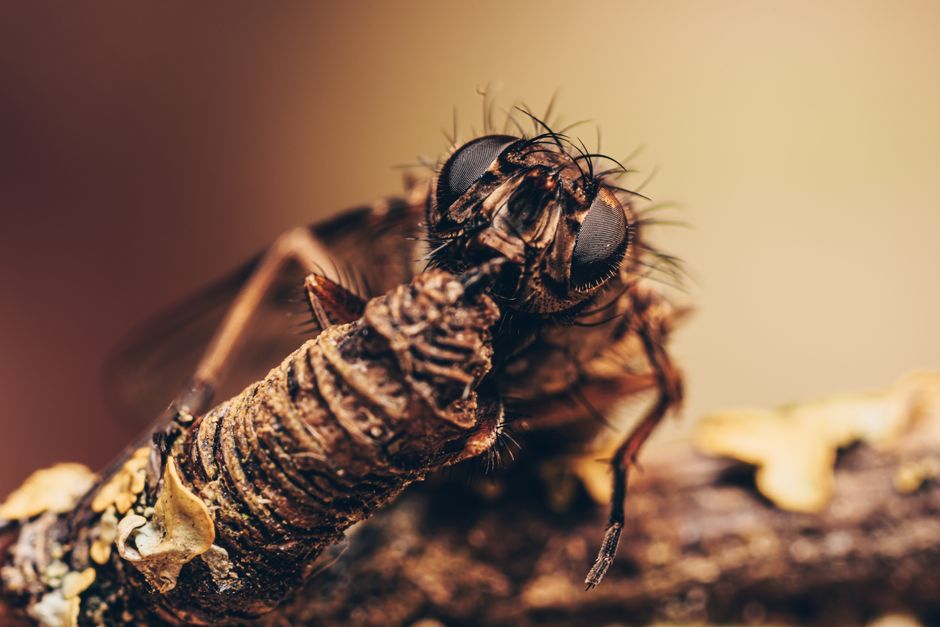
Flies get into houses through tiny openings and open doors, and they stay because they find food, warmth, and moisture. The most effective way to keep flies out is to block their entry points, remove what attracts them, and use proven traps for the ones that still get inside. A clean kitchen, sealed trash, and properly fitted screens will solve most fly problems before they start.
Why Do Flies Keep Getting Into Your House?
Flies are not random visitors. They are drawn to specific things that most homes have in abundance. Understanding what attracts them is the first step in keeping them out.
House flies are attracted to decaying organic matter. That includes garbage, pet waste, spoiled food, and compost. Fruit flies target overripe fruits and vegetables, plus fermenting liquids like wine, beer, and vinegar. Drain flies breed inside moist organic buildup in pipes and drains.
Flies also seek warmth and shelter. When outdoor temperatures drop in late summer and fall, they look for ways inside. This is why fly problems often spike in August and September, not just in the heat of summer.
Once inside, flies lay eggs. A single house fly can lay up to 150 eggs at a time, and the eggs hatch into maggots within 24 hours. A small fly problem can become a large one quickly.
How To Keep Flies Out Of Your House: Seal Entry Points
The most reliable way to keep flies out is to stop them from getting in. Flies do not need a large opening. They can squeeze through gaps as small as a quarter of an inch.
Start with doors and windows. Check the seals around all exterior doors. Replace worn weather stripping. Install door sweeps on the bottom of doors that lead outside. A gap under a door is one of the most common entry points for flies.
Window screens need to be in good condition. A single tear or hole is enough for flies to enter. Repair small holes with screen patch kits. Replace screens that are badly damaged. Make sure screens fit tightly in their frames with no gaps around the edges.
Check less obvious entry points. Look at utility lines, vents, and pipes that enter your home from outside. Seal gaps around them with caulk or expanding foam. Check attic vents and soffits. Ensure chimney caps are in place and undamaged.
Consider the garage. If your garage connects to your house, flies can enter the garage and then move inside. Keep the garage door closed when possible. Seal gaps around the garage door frame.
Remove What Attracts Flies Inside Your Home
Blocking entry points only works if flies have no reason to gather near your home in the first place. Eliminating attractants makes your house invisible to flies.
Take out the trash regularly. Do not let garbage sit in indoor bins for more than a day or two, especially in warm weather. Use bins with tight-fitting lids. Rinse out food containers before throwing them away. A dirty recycling bin is a major fly attractant.
Do not leave food sitting out. This includes pet food. If you feed your pet on a schedule, remove uneaten food after 15 to 30 minutes. Do not leave fruit bowls uncovered. Store ripe fruit in the refrigerator.
Clean up spills immediately. Flies are attracted to sugary liquids, juice, soda, and alcohol. Wipe down counters after cooking. Clean the stovetop regularly. Food residue baked onto burners attracts flies for days.
Take out compost regularly. Indoor compost bins are a common source of fruit flies. If you keep compost indoors, use a bin with a charcoal filter and a tight lid. Empty it every few days.





Use Traps And Natural Deterrents That Actually Work
Even with good prevention, some flies will find their way inside. Traps are the next line of defense. Some are proven to work. Others are mostly marketing.
Sticky flypaper is effective and inexpensive. It catches flies that are already inside. Place it near windows, doors, and other areas where flies gather. It is not the most attractive option, but it works.
Fly traps with attractant lures work well for house flies. These traps use a food-based scent that draws flies in, and then the flies cannot escape. Place them away from where you eat and prepare food. They can have a strong odor.
Fruit fly traps are simple to make at home. Fill a small bowl with apple cider vinegar. Add a drop of dish soap to break the surface tension. Cover the bowl with plastic wrap and poke small holes in it. Fruit flies enter through the holes and cannot escape. This method is supported by common experience and works reliably.
For drain flies, the solution is different. Drain flies breed in the organic film inside pipes. Pour boiling water down the drain once a week to break up the buildup. Use a drain brush to physically clean the inside of the pipe. Traps alone will not solve a drain fly problem because the flies keep emerging from the drain.
Ultrasonic pest repellents are not proven to work against flies. No reliable evidence shows that sound-emitting devices repel flies. Save your money.
Citronella candles and essential oil diffusers may have minor repellent effects outdoors but are not effective for keeping flies out of a house. Some studies suggest certain plant oils repel flies for short periods, but the effect is too weak and short-lived to solve an indoor fly problem.
Why Do Some Homes Have More Flies Than Others?
If your neighbor has no fly problem and you have flies daily, the difference is usually not luck. It is almost always one of three things: an unsealed entry point, an attractant you have not identified, or a breeding site nearby.
Check for attractants you may have overlooked. A pet’s water bowl left out all day. A garbage disposal that has not been cleaned. A trash can outside that sits right next to the back door. A compost pile too close to the house. A neighbor’s garbage that is not secured.
Check for breeding sites inside. House fly larvae need moist organic material. Look in the bottom of trash cans, under appliances, and in the drip trays under houseplants. A dirty mop left in a bucket can breed flies.
Outdoor factors matter too. Animal waste in your yard attracts flies. So do fallen fruit from trees. Keep yards clean and remove pet waste promptly.
Seasonal Patterns: When Fly Problems Peak
Fly activity follows predictable seasonal patterns. Understanding these patterns helps you prepare in advance.
In spring, fly populations begin to increase as temperatures warm. In summer, fly activity peaks. Outdoor breeding sites produce large numbers of flies. This is when entry point maintenance matters most.
In late summer and early fall, cluster flies and face flies become a problem. These flies enter homes to overwinter, often through attics and wall voids. They gather in large numbers on sunny sides of buildings. They are sluggish and move slowly. Sealing cracks and gaps in late summer is the best prevention.
In winter, indoor fly problems are usually fruit flies or drain flies, not house flies. These survive indoors because they breed in warm, moist areas like drains and overripe produce.
When To Consider Professional Pest Control
Most fly problems are manageable with the steps above. But some situations require professional help.
If you have sealed entry points, removed attractants, used traps, and flies continue to appear in large numbers, you may have a breeding site you cannot find. A pest control professional can locate it.
Large numbers of flies inside during winter may indicate a rodent problem. Dead rodents attract flies. If you see flies in a specific room or area with no obvious attractant, check for a dead animal in a wall void, attic, or crawl space.
Persistent drain fly problems that do not respond to boiling water and drain cleaning may require professional drain treatment.
Frequently Asked Questions
What scent keeps flies away?
Some plant oils like citronella, eucalyptus, and peppermint have short-lived repellent effects, but no scent reliably keeps flies out of a house. Removing attractants and sealing entry points works far better than any scent.
Why are there so many flies in my house all of a sudden?
A sudden increase usually means flies found a breeding site inside, like spoiled food, garbage, or a dead animal. It can also mean outdoor temperatures dropped and flies are seeking warmth indoors.
Does vinegar really get rid of flies?
Apple cider vinegar traps catch fruit flies effectively, but vinegar does not repel flies or eliminate a breeding source. Use vinegar traps for fruit flies and combine them with removing the overripe produce or drain buildup they are breeding in.
How long do house flies live?
Adult house flies typically live 15 to 30 days. In that time, a single female can lay multiple batches of eggs, which is why fly problems escalate quickly when left untreated.
