
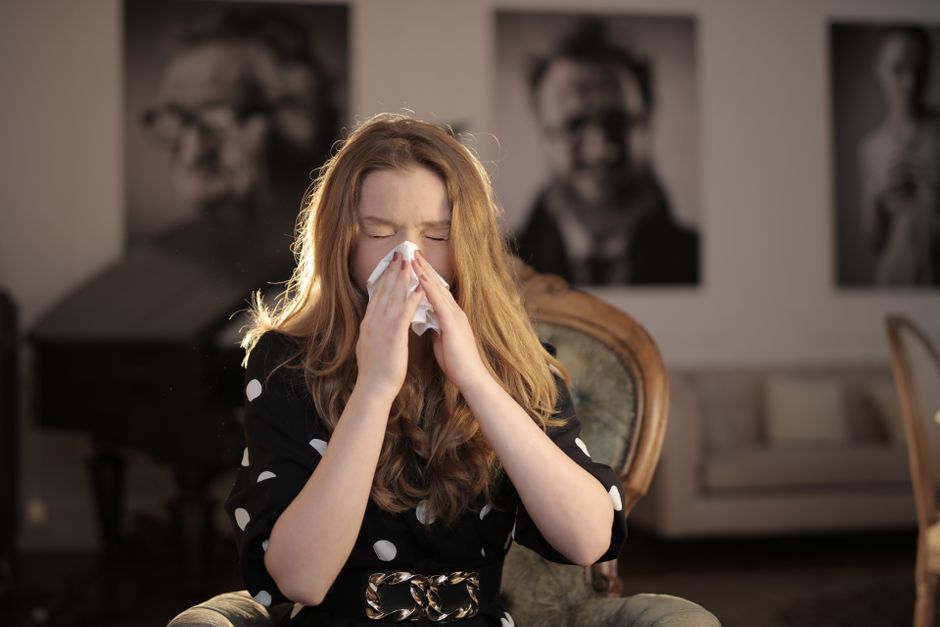
Sneezing is a reflex your body uses to clear irritants from your nose. When something tickles the lining of your nasal passages, a signal shoots to your brain, which triggers a rapid, forceful blast of air out through your nose and mouth. If you keep sneezing, it usually means the irritant is still there or your nasal lining is especially sensitive. The most common causes are allergies, viruses like the common cold, and environmental triggers like dust or dry air.
What Actually Happens in Your Body When You Sneeze?
The sneeze reflex is a coordinated event involving nerves, muscles, and your brain. It starts when a trigger touches the mucous membrane inside your nose. Special nerve endings detect the irritation and send a message along the trigeminal nerve to the brainstem.
Your brain then responds by sending signals to multiple muscle groups. Your chest muscles contract, your vocal cords close, and pressure builds up in your lungs. Then your vocal cords suddenly open, and air rushes out at high speed, carrying mucus and irritants with it. This entire process takes about one to two seconds.
Sometimes the reflex repeats because the trigger has not been fully removed. If your nasal lining stays inflamed, the nerves keep firing, and you keep sneezing. This is why a single tickle can lead to a burst of several sneezes in a row.
Why Do You Keep Sneezing? Common Causes Explained
Repeated sneezing is rarely random. Most of the time, it comes down to one of three categories: allergens, infections, or physical irritants. Each works differently inside your nose, but the result is the same — an overactive sneeze reflex.
Allergies are a leading cause of repeated sneezing. When you breathe in pollen, dust mites, or pet dander, your immune system may treat these harmless particles as threats. It releases histamine, a chemical that makes blood vessels in your nose expand and fluid leak into surrounding tissue. This causes swelling, congestion, and the urge to sneeze again and again.
Infections like the common cold or flu also trigger sneezing. Viruses infect the cells lining your nasal passages, causing inflammation and excess mucus production. Your body uses sneezing as a way to expel the infected mucus. Unlike allergies, colds usually come with other symptoms like a sore throat, body aches, or a fever.
Physical irritants are a simpler cause. Dry air, strong smells, smoke, dust, or even bright light can trigger the reflex. Some people sneeze when they step into sunlight — a condition called photic sneeze reflex. This is a genetic trait, not a disease, and it affects roughly 18 to 35 percent of people.
Why Do Some People Sneeze More Than Others?
Your baseline sensitivity to sneezing is partly genetic. The nerves in your nasal passages have different thresholds for activation. Some people have highly reactive nasal linings, so even a mild irritant sets off a sneeze. Others need a much stronger trigger.
Hormones also play a role. Some women experience increased nasal congestion and sneezing during pregnancy, especially in the third trimester. This is due to increased blood flow to the mucous membranes, which causes swelling and sensitivity. It is not an allergy, and it usually resolves after delivery.
Age and environment matter too. People who live in areas with high pollen counts or pollution may develop chronic nasal irritation over time. Repeated exposure can make the nasal lining more sensitive, creating a cycle where even small triggers cause multiple sneezes.





Can You Stop Sneezing Once It Starts?
Stopping a sneeze mid-way is not recommended. The force of a suppressed sneeze can cause injury to your eardrums, throat, or even the blood vessels in your brain in rare cases. Let the sneeze happen. If you feel one coming, it is safer to sneeze into a tissue or your elbow.
If you want to reduce how often you sneeze, the strategy depends on the cause. For allergies, avoiding the trigger is the most effective approach. Keeping windows closed during high pollen days, using air filters, and washing bedding in hot water can reduce exposure to dust mites.
For colds, the sneezing usually stops once your immune system clears the virus. That typically takes seven to ten days. Over-the-counter antihistamines can help with allergy-driven sneezing by blocking histamine, but they do not work for sneezing caused by a cold virus.
Saline nasal sprays can help in most cases. They rinse irritants out of your nasal passages and add moisture to dry nasal linings. This can reduce the urge to sneeze regardless of whether the cause is allergies, a cold, or dry air.
When Should You See a Doctor About Sneezing?
Sneezing alone is rarely a medical emergency. But it can be a sign of a condition that needs treatment if it is persistent or severe. See a doctor if sneezing lasts more than three weeks, is accompanied by facial pain or thick colored mucus, or interferes with your sleep and daily activities.
Chronic sneezing can be a sign of non-allergic rhinitis, a condition where your nose reacts to irritants like weather changes, certain foods, or medications, even though you do not have allergies. Some people also have nasal polyps, which are non-cancerous growths in the nasal passages that can cause ongoing irritation and sneezing.
If your sneezing comes with wheezing, shortness of breath, or swelling of the face or lips, seek emergency care. These can be signs of a severe allergic reaction, which requires immediate medical attention.
What Actually Works for Chronic Sneezing?
The most reliable treatments for chronic sneezing target the underlying cause, not just the symptom. If allergies are confirmed, daily antihistamines or prescription nasal corticosteroid sprays are the standard approach. These reduce the inflammation in your nasal lining and calm the nerves that trigger sneezing.
For non-allergic rhinitis, treatment is more challenging. Some clinicians recommend nasal saline rinses and avoiding known irritants. Antihistamines often do not help in this case because histamine is not the main driver. Prescription sprays like ipratropium may reduce nasal discharge but do not always stop sneezing.
Immunotherapy, in the form of allergy shots or under-the-tongue tablets, is an option for people with confirmed allergies that do not respond to medication. It works by gradually exposing your immune system to the allergen so it stops overreacting. This is a long-term treatment, typically lasting three to five years, and it requires a doctor’s supervision.
There is no evidence that home remedies like spicy foods, vitamin C, or herbal teas can stop sneezing. Some of these may temporarily clear your nose, but they do not address the underlying reflex. If a product claims to cure sneezing, that claim is not supported by clinical evidence.
Frequently Asked Questions
Why do I sneeze three or four times in a row?
Each sneeze clears only part of the irritant from your nose, so your brain triggers another sneeze until the trigger is removed. Some people also have a more sensitive sneeze reflex that requires multiple attempts to reset.
Can sneezing be a sign of something serious?
In rare cases, yes — sneezing with facial pain, thick colored mucus, or symptoms that last longer than three weeks can indicate a sinus infection or nasal polyps. Sneezing alone is usually harmless and temporary.
Is it bad to hold in a sneeze?
Yes, holding in a sneeze can cause injury. The pressure can damage your eardrums, throat, or, in very rare cases, blood vessels in your head. It is safer to let the sneeze happen into a tissue or your elbow.
Why do I sneeze when I look at bright light?
This is called the photic sneeze reflex, a genetic trait that affects a significant minority of people. Bright light triggers the same nerve pathway as nasal irritation, causing a sneeze. It is harmless and does not require treatment.
