
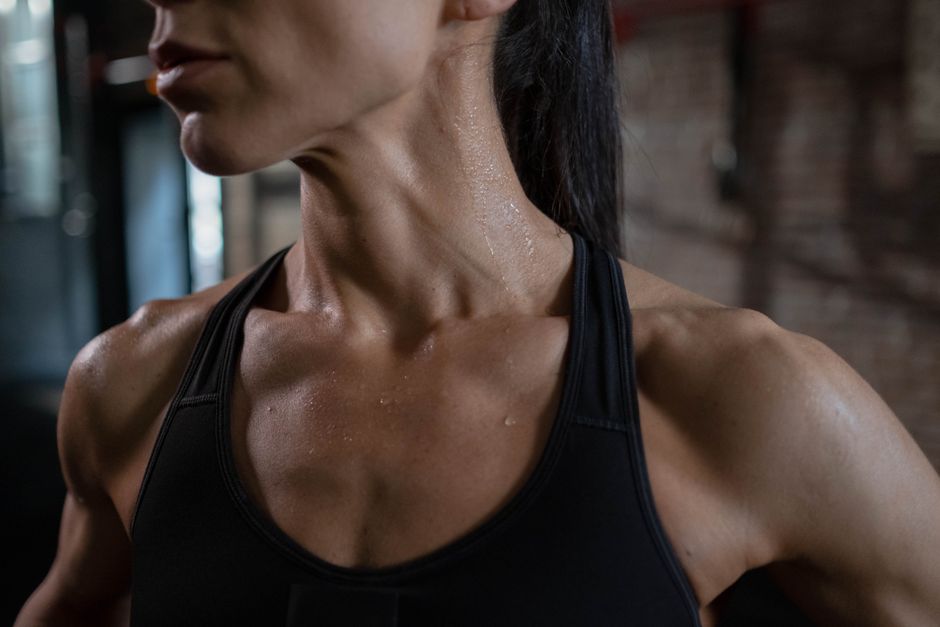
Neck sweating is common and usually not a sign of something serious. The causes range from simple heat and exercise to hormonal changes, anxiety, or a condition called craniofacial hyperhidrosis. Stopping it depends on the cause, but options include clinical-strength antiperspirants, prescription medications, and in some cases, Botox injections. This article explains what research actually shows and what you can do about it.
What Actually Causes Your Neck to Sweat?
Sweating is how your body cools itself. When your core temperature rises, your brain signals sweat glands all over your body to release moisture. The neck has a high concentration of these glands, which is why it often sweats first.
Research published in the Journal of the American Academy of Dermatology confirms that the most common causes are straightforward. Heat and physical activity are at the top of the list. Your body is doing exactly what it is supposed to do.
But neck sweating can also happen without heat or exercise. This is where people get concerned. Your sympathetic nervous system controls sweating. When it is overactive, you sweat more than needed. This can happen during stress, anxiety, or even for no clear reason at all.
Some people have a condition called primary focal hyperhidrosis. This means excessive sweating in specific areas like the head, face, and neck. The International Hyperhidrosis Society estimates that about 5 percent of the population has some form of this condition. It is not dangerous, but it can be embarrassing and disruptive.
Is Neck Sweating at Night a Sign of Something Serious?
Night sweats are different from daytime neck sweating. If you wake up with a wet neck and damp sheets, it is worth paying attention to.
The most common cause is your sleep environment. A warm bedroom, heavy blankets, or synthetic bedding that traps heat can all cause night sweats. The National Sleep Foundation recommends keeping your bedroom between 60 and 67 degrees Fahrenheit for optimal sleep.
Hormonal changes are another frequent cause. Women going through perimenopause or menopause often experience night sweats. The North American Menopause Society reports that up to 80 percent of women have hot flashes during menopause, and many of these happen at night.
Some medications can cause night sweats as a side effect. Antidepressants, hormone therapy drugs, and some diabetes medications are common culprits. If you started a new medication recently and noticed night sweats, talk to your doctor about it.
In rare cases, night sweats can signal something more serious. Infections like tuberculosis, autoimmune conditions, or certain cancers can cause drenching night sweats. But these cases almost always come with other symptoms like unexplained weight loss, fever, or persistent fatigue. If you have night sweats alone without other symptoms, the odds are overwhelmingly in favor of a benign cause.
Why Does My Neck Sweat When I’m Not Hot?
This is one of the most confusing aspects of neck sweating. You can be sitting in a cool room and still feel sweat dripping down your neck.
Anxiety is a major trigger. When you feel stressed or nervous, your body releases adrenaline. This activates your sweat glands even if your body temperature is normal. The neck and face are especially sensitive to this response. Some studies suggest that people with social anxiety disorder sweat more in the head and neck area during stressful situations.
Spicy foods can also cause neck sweating. This is called gustatory sweating. Capsaicin, the compound that makes peppers hot, tricks your body into thinking it is overheating. Your sweat glands respond accordingly. This is completely normal and not a cause for concern.
Low blood sugar is another possible cause. When your blood sugar drops, your body releases stress hormones to compensate. These hormones can trigger sweating. If you feel shaky, lightheaded, or hungry along with neck sweating, low blood sugar might be the reason.
Some people experience neck sweating after drinking alcohol or caffeine. Both substances affect your nervous system and can trigger sweat glands. This varies widely from person to person.





What Actually Works to Stop Neck Sweating?
The approach depends on how severe the sweating is. For mild cases, simple changes often help enough.
Clinical-strength antiperspirants work for many people. Most people think of antiperspirants for underarms only, but they can be used on the neck and hairline. Look for products containing aluminum chloride. The American Academy of Dermatology states that these are the first-line treatment for excessive sweating. Apply them at night when sweat glands are less active for best results.
Here is a comparison of common treatments for neck sweating:
| Treatment | How It Works | Effectiveness | Considerations |
|---|---|---|---|
| Clinical antiperspirant | Blocks sweat ducts with aluminum salts | Works for mild to moderate cases | May cause skin irritation; apply at night |
| Prescription wipes (glycopyrrolate) | Blocks nerve signals to sweat glands | Effective for many people | Requires prescription; can cause dry mouth |
| Oral medications (anticholinergics) | Reduce overall sweating body-wide | Effective but systemic | Side effects include blurred vision and dry eyes |
| Botox injections | Blocks chemical signals that activate sweat glands | Highly effective for 6-12 months | Expensive; requires repeated treatments |
| Iontophoresis | Uses mild electrical current to reduce sweat | Less studied for neck area | Best for hands and feet; hard to use on neck |
For moderate to severe cases, prescription treatments are available. Glycopyrrolate wipes are specifically approved for facial and head sweating. A study in the Journal of Drugs in Dermatology found that these wipes significantly reduced sweating in 85 percent of users.
Botox injections are another option. Dermatologists inject small amounts into the skin of the neck. This blocks the chemical signals that tell sweat glands to activate. Results last about six to twelve months. The procedure is well-studied and considered safe when done by a qualified professional.
What Lifestyle Changes Help with Neck Sweating?
Before trying medical treatments, some simple changes can make a real difference.
Clothing matters more than most people realize. Cotton and moisture-wicking fabrics allow your skin to breathe. Synthetic fabrics like polyester trap heat and moisture against your skin. If you sweat heavily, look for shirts with a cotton or bamboo fiber collar.
Your diet can also play a role. Spicy foods, caffeine, and alcohol are common triggers. Keeping a food diary for a week can help you identify patterns. If you notice neck sweating within an hour of eating certain foods, you have found a trigger worth avoiding.
Stress management is not a vague recommendation. It directly affects your nervous system. Deep breathing exercises, meditation, or even a five-minute walk can lower your stress response. When your nervous system calms down, your sweat glands follow.
Staying hydrated helps your body regulate temperature more efficiently. When you are dehydrated, your body struggles to cool itself and may sweat more to compensate. Aim for water throughout the day, not just when you feel thirsty.
Some people find that switching to a cooler shower helps. Hot showers raise your core temperature and can trigger sweating afterward. A lukewarm or cool shower can prevent this rebound sweating.
When Should You See a Doctor About Neck Sweating?
Most neck sweating does not require medical attention. But there are specific situations where a doctor visit makes sense.
If your neck sweating is interfering with your daily life, it is worth discussing. This includes avoiding social situations, changing clothes multiple times a day, or feeling anxious about sweating in public. These are quality-of-life issues that treatments can address.
If you have night sweats along with other symptoms like unexplained weight loss, persistent fever, or fatigue, see a doctor. The CDC notes that these combinations warrant further investigation. But remember, night sweats alone are rarely a sign of serious disease.
If you are on medication and the sweating started after a dose change, ask your doctor about alternatives. Many medications have options that do not cause sweating as a side effect.
Dermatologists are the specialists who treat excessive sweating. They can diagnose hyperhidrosis and offer treatments that primary care doctors may not discuss. A referral is usually not required for a dermatology appointment.
Common Misconceptions About Neck Sweating
There is a lot of misinformation online about neck sweating. Here are a few things that are not backed by evidence.
Some websites claim that neck sweating is a sign of “toxins leaving the body.” This is not how sweating works. Sweat is mostly water and salt. Your liver and kidneys handle toxin removal, not your sweat glands. Sweating does not detoxify your body.
Another common myth is that deodorant stops sweating. Deodorant only covers odor. It does not block sweat. Antiperspirant blocks sweat. Make sure you are using the right product for your goal.
Some people believe that drinking more water will “dilute” sweat and reduce sweating. This is not true. Hydration helps your body regulate temperature, but it does not reduce the amount of sweat your glands produce.
There is also a claim that neck sweating means you are out of shape. This is false. Fit people sweat more efficiently and may actually start sweating sooner during exercise. Sweating is a sign of a functioning cooling system, not poor fitness.
Frequently Asked Questions
Can anxiety cause neck sweating?
Yes, anxiety triggers your sympathetic nervous system which activates sweat glands in the neck and face. This is a normal stress response and not dangerous.
Is neck sweating a sign of diabetes?
It can be related to low blood sugar in people with diabetes, but neck sweating alone is not a reliable sign of diabetes. Other symptoms like frequent urination and excessive thirst are more common indicators.
Does Botox for neck sweating hurt?
Most people describe it as mild discomfort from small injections. A numbing cream can be applied beforehand to reduce any pain.
Can weight loss stop neck sweating?
Excess body weight can make your body work harder to cool itself, which may increase sweating. Weight loss may help some people but is not a guaranteed solution.
