
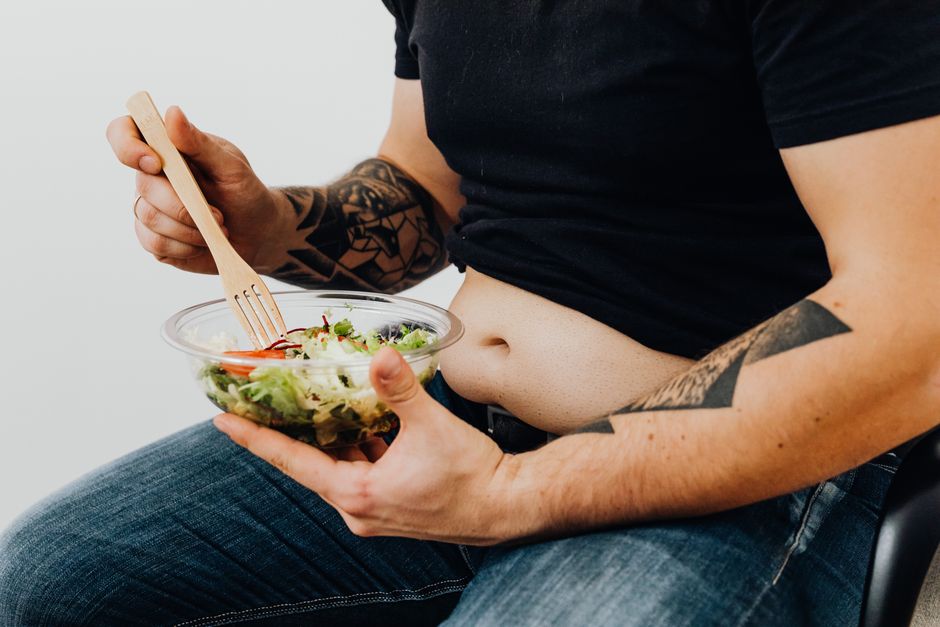
Belly bloating after a meal is one of the most common digestive complaints. It happens when gas or fluid builds up in your abdomen, creating pressure and a feeling of fullness. For most people, the cause is a mix of what they ate, how fast they ate, and how their digestive system handles certain foods.
What Actually Causes the Fullness and Pressure?
Bloating starts in the digestive tract. When you swallow food, it travels to your stomach and then into your intestines. During digestion, bacteria in your large intestine break down undigested food particles. This process naturally produces gas. That gas stretches the walls of your intestines, which your body registers as pressure, fullness, or visible distension.
Everyone produces gas. The difference is how much you produce and how sensitive your gut is to that stretch. Some people have a lower threshold for feeling discomfort. Even a normal amount of gas can feel painful or heavy for them. This is why two people can eat the exact same meal and only one experiences bloating.
Which Foods Are Most Likely to Cause Belly Bloat After Eating?
Certain foods are well-known gas producers. They contain types of carbohydrates that your small intestine cannot fully absorb. Instead of being digested early, these carbs travel to the large intestine, where bacteria ferment them and release gas.
- Beans and lentils — contain raffinose, a complex sugar that requires an enzyme humans lack.
- Cruciferous vegetables — broccoli, cauliflower, cabbage, and Brussels sprouts contain sulfur compounds that produce gas.
- Dairy products — milk, cheese, and ice cream contain lactose. Many adults have low levels of lactase, the enzyme needed to digest lactose.
- Carbonated drinks — soda, sparkling water, and beer introduce extra air directly into your stomach.
- High-fiber foods — whole grains, fruits, and vegetables increase gas production as fiber ferments in the colon.
- Sugar-free products — sugar alcohols like sorbitol and xylitol are poorly absorbed and ferment rapidly.
These foods are not unhealthy. They are nutritious and worth keeping in your diet. The issue is portion size and how quickly your gut adapts. If you suddenly increase your fiber intake, bloating is a normal temporary response that usually settles within a few weeks.
Why Does My Belly Bloat After Eating Even Healthy Meals?
Healthy meals can still cause bloating. The most common reason is eating too quickly. When you eat fast, you swallow air along with your food. This air accumulates in the stomach and creates immediate pressure. It does not require any fermentation or bacterial action. The fix is simple: slow down, chew thoroughly, and avoid talking while chewing.
Another overlooked cause is portion size. A large meal stretches the stomach wall. This stretching triggers nerves that signal fullness and discomfort. Your stomach can hold about one liter comfortably. Beyond that, pressure builds and pushes against your other organs. A salad with raw vegetables, nuts, and a large serving of grains can easily fill that space.
FODMAPs are another factor in healthy foods. FODMAP stands for fermentable oligosaccharides, disaccharides, monosaccharides, and polyols. These are short-chain carbohydrates found in many nutritious foods. They are poorly absorbed and rapidly fermented by gut bacteria. Foods like apples, watermelon, garlic, onions, wheat, and honey are high in FODMAPs. For some people, reducing these foods significantly reduces bloating.





How Long Does Normal Bloating Last?
Normal bloating after a meal typically peaks within one to two hours and resolves within three to four hours. This timing matches the movement of food from your stomach into your small intestine. Gas produced in the large intestine comes later, usually four to six hours after eating. If your bloating lasts longer than six hours or is accompanied by pain, it may indicate something beyond a simple dietary reaction.
Bloating that happens every single meal, regardless of what you eat, deserves attention. It is not normal to feel consistently uncomfortable after every meal. Persistent bloating can point to underlying conditions such as irritable bowel syndrome (IBS), small intestinal bacterial overgrowth (SIBO), or a food intolerance like celiac disease. These conditions require medical evaluation, not just dietary guessing.
What Conditions Cause Chronic Belly Bloat After Eating?
Chronic bloating is different from occasional bloating. If bloating happens most days or is severe enough to interfere with daily life, consider these conditions.
Irritable bowel syndrome (IBS) is the most common cause. It affects how your gut moves and how your brain interprets gut signals. People with IBS often have visceral hypersensitivity, meaning their gut nerves overreact to normal amounts of gas. The gas volume is not necessarily higher, but the sensation is amplified.
Small intestinal bacterial overgrowth (SIBO) occurs when bacteria from the large intestine migrate into the small intestine. These bacteria ferment food where they should not be, producing gas and bloating shortly after eating. SIBO is diagnosed with a breath test and treated with targeted antibiotics or dietary changes.
Celiac disease is an autoimmune reaction to gluten. It damages the small intestine lining and causes malabsorption. Bloating is a common symptom, but it is usually accompanied by diarrhea, weight loss, or fatigue. If you suspect celiac disease, get tested before removing gluten from your diet. The test requires gluten in your system to be accurate.
Gastroparesis is delayed stomach emptying. Food sits in the stomach longer than it should, causing fullness, nausea, and bloating. It is more common in people with diabetes but can occur without a clear cause.
When Should You See a Doctor About Bloating?
Most bloating does not require medical attention. But certain signs should not be ignored. See a doctor if bloating is accompanied by unexplained weight loss, blood in your stool, vomiting, severe pain, or a change in bowel habits lasting more than three weeks. These symptoms can indicate a more serious condition that needs evaluation.
If you are over 50 and have new-onset bloating with changes in bowel habits, do not assume it is dietary. Age-related risk factors change what symptoms mean. A medical evaluation is appropriate rather than waiting to see if it resolves.
What Actually Helps Reduce Bloating?
Evidence supports several practical strategies. Eating smaller meals more frequently can reduce stomach stretching. Chewing food thoroughly and eating slowly reduces swallowed air. Regular physical activity helps move gas through the digestive tract. Walking after a meal can be genuinely helpful.
Over-the-counter products have mixed evidence. Simethicone, found in products like Gas-X, helps break up gas bubbles but studies show limited benefit for bloating. Peppermint oil has better evidence, particularly for IBS-related bloating, but it can worsen heartburn in some people. Probiotics show inconsistent results, and the benefit depends heavily on the specific strain and the individual.
A low-FODMAP diet has the strongest evidence for reducing bloating in people with IBS. It is not a permanent diet. It is a short-term elimination phase followed by systematic reintroduction of foods. Working with a registered dietitian is recommended because the diet is complex and restrictive.
Can You Prevent Bloating Without Giving Up Foods You Love?
Prevention is often about preparation, not elimination. Soaking beans overnight and discarding the water reduces gas-producing sugars. Cooking vegetables thoroughly makes them easier to digest. Chewing food longer starts the breakdown process in your mouth, reducing the workload on your intestines.
Keeping a food diary can identify your personal triggers. What causes bloating in one person may not affect another. Track what you eat, how much you eat, and when bloating occurs. Patterns emerge within a few weeks. You do not need to eliminate entire food groups. You may only need to adjust portion sizes or preparation methods.
Frequently Asked Questions
Why does my stomach bloat after every meal?
Consistent bloating after every meal often points to a food intolerance, IBS, or eating too quickly. If it happens daily, a medical evaluation is warranted rather than assuming it is dietary.
How long does belly bloat last after eating?
Normal bloating peaks within one to two hours and resolves within three to four hours. Bloating lasting longer than six hours or occurring daily is not typical.
What is the fastest way to relieve bloating?
Walking or light physical activity helps move trapped gas through the digestive tract. Peppermint oil has some evidence for reducing bloating, though it can worsen heartburn.
Does drinking water help with bloating?
Water helps prevent constipation, which can worsen bloating. Drinking water during a meal does not reduce gas production, but staying hydrated overall supports regular bowel movements.
