
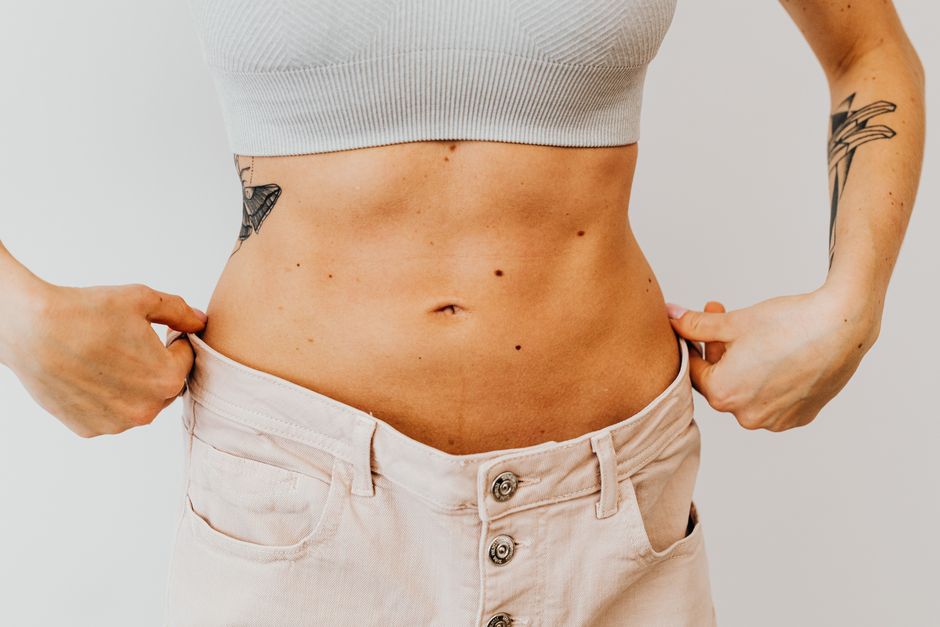
Losing belly fat with PCOS is harder than it is for people without the condition, and that is not a matter of willpower. The reason is insulin resistance, which affects a large share of women with PCOS and drives the body to store fat around the abdomen. The most effective approach combines a diet that manages blood sugar, regular exercise that includes both strength and cardio work, and — for many women — medical treatment guided by a doctor. No single fix works for everyone, but this combination gives the best shot at real, lasting change.
Why Does PCOS Cause Belly Fat?
Polycystic ovary syndrome is a hormonal and metabolic condition, not simply a reproductive one. It affects roughly 1 in 10 women of reproductive age, according to estimates from the World Health Organization. One of its central features is insulin resistance — the body’s cells respond poorly to insulin, so the pancreas pumps out more of it to keep blood sugar in range.
That excess insulin does two things that matter for belly fat. First, insulin is a storage hormone. When levels stay high, the body is more likely to store calories as fat, especially in the abdominal area. Second, high insulin signals the ovaries to produce more androgens like testosterone, which is part of why PCOS causes irregular periods, acne, and excess hair growth.
This creates a loop. More belly fat worsens insulin resistance, which raises insulin further, which encourages more belly fat. Breaking that loop is the goal of everything below.
It is worth separating two things people often confuse. PCOS belly fat is not the same as general weight gain. The pattern tends to be visceral — fat stored deep around the organs rather than just under the skin. Visceral fat is more metabolically active and is linked to higher risk of type 2 diabetes and heart disease, which is why the location matters as much as the number on the scale.
What Is the Best Diet for PCOS Belly Fat?
No single diet is proven best for PCOS, but the evidence points consistently toward eating patterns that keep blood sugar steady and emphasize whole foods over refined carbohydrates.
Research published in the journal Nutrients and other reviews have found that lower-carbohydrate and low-glycemic-index diets tend to improve insulin sensitivity and support weight loss in women with PCOS. A low-glycemic diet focuses on foods that raise blood sugar slowly. That includes most vegetables, beans, lentils, whole grains like oats and barley, and most fruits.
What tends to work against you is refined carbohydrate — white bread, white rice, sugary drinks, pastries, and most packaged snack foods. These spike blood sugar and insulin quickly, which feeds the cycle described above.
Practical dietary changes that have the most support
- Build meals around protein and fiber. Protein and fiber slow digestion and blunt blood sugar spikes. Think eggs, fish, chicken, Greek yogurt, tofu, beans, and vegetables at most meals.
- Choose slow carbs over fast ones. Swap white rice for brown rice or quinoa, white bread for whole grain, sugary cereal for oatmeal.
- Pair carbs with protein or fat. Eating an apple with peanut butter affects blood sugar differently than eating the apple alone.
- Limit sugary drinks. Liquid sugar hits the bloodstream fast and is one of the easier targets to cut.
- Do not skip meals to “save” calories. Long gaps can lead to overeating later and unstable blood sugar.
Calorie balance still matters for weight loss. But for PCOS specifically, the type of carbohydrate and the steadiness of blood sugar appear to matter more than they do for the general population. That is a meaningful distinction.
One honest caveat: most PCOS diet research is small and short-term. The direction of the evidence is fairly consistent, but no large long-term trial has settled the question of which diet is best. What works is often the pattern a person can actually stick with.
How Much Exercise Do You Need to Lose PCOS Belly Fat?
Exercise helps PCOS belly fat through two separate routes: it burns calories, and it improves how well muscles take up glucose from the blood. That second effect is independent of weight loss and happens even before the scale moves.
Current physical activity guidelines for adults in the United States recommend at least 150 minutes of moderate-intensity aerobic activity per week, plus muscle-strengthening activity on two or more days per week. For PCOS, both halves of that recommendation matter.
Strength training builds muscle, and muscle is one of the main places the body stores and uses glucose. More muscle generally means better insulin sensitivity. This is why resistance work is often emphasized for PCOS more than it is for general weight loss.
Aerobic exercise — brisk walking, cycling, swimming, dancing — improves insulin sensitivity and supports calorie burning. It does not have to be intense. Consistent moderate activity tends to beat occasional hard sessions.
High-intensity interval training has some evidence behind it for improving insulin sensitivity in PCOS, but the research is limited and it is not clearly better than steady moderate exercise for most people. The best exercise is the one you will keep doing.
One thing worth knowing: exercise alone rarely produces large belly fat loss without dietary change. The two work together. Exercise also helps preserve muscle during weight loss, which keeps metabolism from slowing as much.




Does Weight Loss Itself Help PCOS Symptoms?
Yes, and the effect can be noticeable at modest amounts. Research on PCOS consistently shows that losing a relatively small percentage of body weight can improve insulin sensitivity, restore more regular ovulation, and improve cholesterol and blood pressure. The improvements often show up before a person reaches any particular target weight.
This is genuinely encouraging, and it is also where a lot of PCOS advice goes wrong. The message should not be “lose a lot of weight fast.” It should be that even small, sustained changes can shift the underlying metabolic picture.
The catch is that PCOS makes weight loss harder. Insulin resistance works against you, and studies suggest women with PCOS may lose weight more slowly than women without it on the same diet. That is a physiological reality, not a character flaw. It means patience and consistency matter more than intensity.
Can Medication or Supplements Help?
Some medications used in PCOS can help with weight and belly fat, but they require a prescription and a doctor’s oversight. This is not a do-it-yourself area.
Metformin is a diabetes medication sometimes prescribed in PCOS to improve insulin sensitivity. Evidence for its effect on weight in PCOS is mixed — some studies show modest loss, others show little. It is not a weight loss drug, and it is not right for everyone.
Newer medications in the GLP-1 class, originally developed for diabetes and now used for weight loss, have been studied in PCOS. Some research suggests they can support weight loss in women with PCOS, but long-term data specific to this population is still limited. These are prescription drugs with real side effects and are not appropriate for everyone.
On supplements: inositol has the most research behind it among over-the-counter options, with some studies suggesting improvement in insulin sensitivity and ovulation. The evidence is not strong enough to call it a proven treatment. Other popular supplements marketed for PCOS have far less support. No supplement is a substitute for diet, exercise, or medical care.
Anyone considering medication or supplements for PCOS should talk to a doctor, ideally one familiar with the condition. Combining treatments without guidance can cause problems.
Why Is Belly Fat So Stubborn With PCOS?
Spot reduction does not work. You cannot target belly fat with specific exercises, and crunches will not burn the fat sitting over your abs. This is true for everyone, and it is worth stating plainly because so much fitness marketing suggests otherwise.
With PCOS, the stubbornness has an extra layer. Elevated insulin actively promotes fat storage in the abdominal area, so the hormonal environment is working against you in a way it is not for someone without the condition. That is why addressing insulin resistance — through diet, exercise, and sometimes medication — matters more than simply cutting calories.
Sleep and stress play a supporting role. Poor sleep and chronic stress can worsen insulin resistance and raise appetite-driving hormones. This does not mean stress causes PCOS, but managing it can make the rest of the plan work better.
The realistic picture: progress with PCOS belly fat tends to be slower and less linear than standard weight loss advice suggests. Small consistent changes over months, not weeks, are what the evidence supports.
Frequently Asked Questions
Can you lose PCOS belly fat without medication?
Yes, many women do. Diet changes that steady blood sugar and regular exercise that includes strength training can improve insulin sensitivity and support belly fat loss on their own. Medication is an option when lifestyle changes alone are not enough, and that decision belongs with a doctor.
What foods should I avoid with PCOS belly fat?
Refined carbohydrates and sugary drinks are the main ones to limit, since they spike blood sugar and insulin quickly. That includes white bread, white rice, pastries, and soda. No single food needs to be banned entirely, but these are the ones most worth cutting back on.
How long does it take to see results losing PCOS belly fat?
There is no fixed timeline, and PCOS weight loss often happens more slowly than it does for women without the condition. Some improvements in energy and blood sugar can show up within weeks, while visible belly fat changes typically take months of consistent effort.
Is cardio or strength training better for PCOS belly fat?
Both help, and the combination tends to work better than either alone. Strength training builds muscle, which improves insulin sensitivity, while cardio burns calories and supports heart health. Federal guidelines recommend at least 150 minutes of moderate cardio per week plus two days of strength work.
