
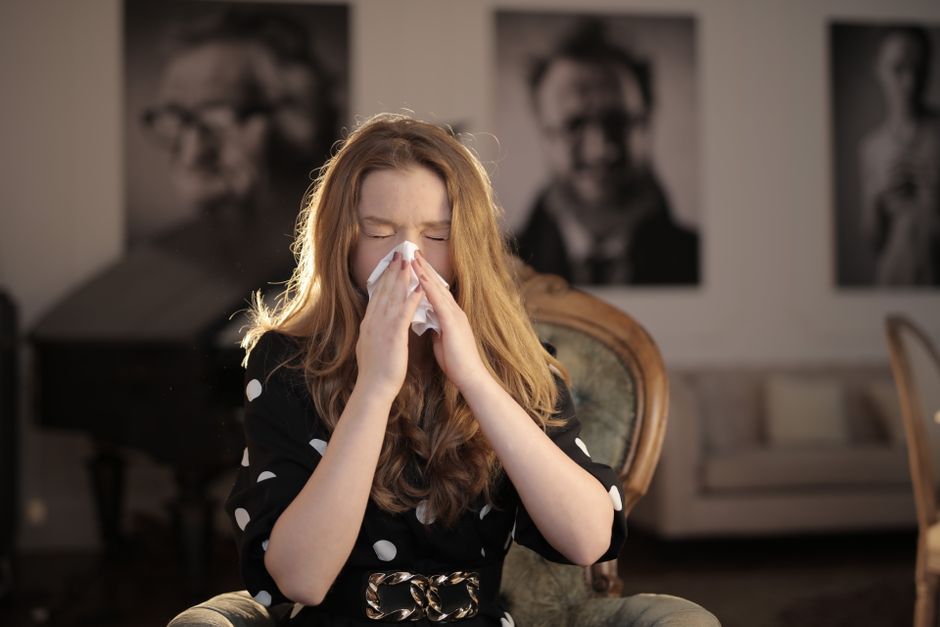
A sneeze is a powerful reflex that clears your nasal passages. But why does it feel so satisfying? The pleasure comes from the buildup of pressure, a sudden release, and a brief wave of relaxation as your body resets. It is a natural, harmless relief mechanism — and the science behind it involves your nervous system, muscles, and possibly a small release of feel‑good chemicals.
What Happens in Your Body When You Sneeze?
A sneeze is a reflex triggered by an irritant in your nasal lining. It could be dust, pollen, a virus, or even a tickle. Your trigeminal nerve senses the irritation and sends a signal to a part of your brainstem called the medulla. There, a complex sequence of events begins.
First you take a deep breath. Then your chest muscles tighten, your vocal cords close, and pressure builds inside your chest. A moment later, your vocal cords open suddenly, and air rushes out through your nose and mouth at speeds that can exceed 30 miles per hour. The entire event takes less than a second.
This rapid expulsion is designed to clear your nasal passages of the irritant. It is an automatic, involuntary act that you cannot consciously stop once the reflex starts. The physical sensation you feel is a mix of pressure, release, and muscular effort.
Why Does a Sneeze Feel Pleasurable?
The “good” feeling is closely tied to relief. An itch, a tickle, or a buildup of irritation in your nose creates a state of discomfort. When you sneeze, that irritation is forcefully removed. The sudden resolution of an unpleasant sensation is inherently rewarding.
Beyond simple relief, the sneeze involves a wave of muscular tension followed by relaxation. Your chest and abdominal muscles contract hard, then relax just as quickly. This pattern — tension followed by sudden release — is similar to what happens during a yawn or even an orgasm. Some people describe a sneeze as a brief “mini‑orgasm,” and there may be a physiological reason for that.
Research suggests that sneezing may trigger the release of endorphins, the body’s natural painkillers and mood elevators. Endorphins are released during exercise, laughter, and other states of intense stimulation. The strong muscle contractions and autonomic surge of a sneeze might prompt a small endorphin release, adding to the sense of pleasure.
However, the evidence is not definitive. No large human study has directly measured endorphin levels during a sneeze. The pleasure may also come from the sudden change in autonomic tone — from a sympathetic (fight‑or‑flight) surge during the buildup to a parasympathetic (rest‑and‑digest) calm afterward. That shift can feel very good.
Is Sneezing Good for You?
Sneezing serves a clear purpose: it clears your airways of irritants and infectious material. Without sneezing, debris and germs could stay lodged in your nose, increasing the risk of infection or inflammation. So sneezing is a healthy, protective reflex.
But there is no evidence that holding in a sneeze is dangerous in most cases. Rarely, suppressing a sneeze by pinching your nose and closing your mouth can cause pressure injuries, such as rupture of a small blood vessel in the eyelid or a pneumothorax (collapsed lung). These are very uncommon. It is generally safe to let a sneeze happen naturally.
Some people sneeze repeatedly — two or three times in a row. This is normal and usually means the first sneeze did not fully clear the irritant. Multiple sneezes are not a sign of illness.





What About a Sneeze That Doesn’t Happen?
You have probably experienced the annoying “stuck sneeze” — the buildup of pressure and the urge to sneeze without release. This can happen when the reflex is interrupted or when the irritant is not strong enough to trigger the full response.
The stuck sneeze can be uncomfortable because the pressure and muscle tension have no outlet. Some people try to force a sneeze by looking at a bright light (photic sneeze reflex) or sniffing something pungent. These methods work for some people, but not everyone.
If you often have an urge to sneeze without relief, it may be due to allergies, dryness, or a minor nasal irritation. Treating the underlying cause — such as using a saline spray for dryness or an antihistamine for allergies — can reduce the frequency of stuck sneezes.
Can Sneezing Be Dangerous?
Sneezing is almost always harmless. However, in people with certain conditions, a forceful sneeze can pose a small risk. For example, someone with a weakened blood vessel in the brain (such as an aneurysm) could theoretically have a rupture from the sudden rise in blood pressure during a sneeze. This is extremely rare.
Another scenario is sneezing after a rib fracture or recent abdominal surgery. The strong muscle contraction could cause pain or disrupt healing. In such cases, some clinicians recommend trying to sneeze with your mouth open to reduce pressure buildup, but this advice is based on common practice, not strong clinical evidence.
For the vast majority of people, sneezing is safe and beneficial. If you are concerned about your own health, talk to your doctor.
Why Do Some People Sneeze Many Times in a Row?
Two or three sneezes in a row is normal and common. It often means the first sneeze did not fully remove the irritant. Some people have a genetic trait called the photic sneeze reflex, which causes them to sneeze when exposed to bright light — often one or two sneezes.
Rarely, people sneeze in long bursts — 5, 10, or even more times. This can be a sign of a condition called intractable sneezing, which may be linked to nasal inflammation, psychogenic factors, or nerve stimulation. If sneezing fits interfere with your daily life, see an ear‑nose‑throat specialist.
Why Does Light Make Some People Sneeze?
Approximately 18–35% of people have the photic sneeze reflex, also called ACHOO syndrome (autosomal dominant compulsive helio‑ophthalmic outburst). When they move from a dim environment into bright sunlight, they sneeze. The cause is thought to be a cross‑wiring of nerve signals in the brain: the trigeminal nerve (which controls the sneeze reflex) lies close to the optic nerve, and bright light may spill over into the sneeze pathway.
This reflex is harmless. There is no need to avoid sunlight. If photic sneezing bothers you, wearing sunglasses when stepping into bright light can reduce the effect.
Do Animals Sneeze for the Same Reason?
Many mammals — including dogs, cats, and horses — sneeze in response to nasal irritation. The reflex is universal. Some animals, such as dogs, may also sneeze during play as a social signal, not necessarily because of irritation. But the basic physiology is similar: a reflex to clear the nasal passages.
Frequently Asked Questions
Is sneezing a sign of a serious health problem?
No. Occasional sneezing is normal and healthy. Frequent sneezing may be a sign of allergies, a cold, or nasal irritation, but not a serious problem on its own.
Can you sneeze in your sleep?
No. The sneeze reflex requires brain activity that is suppressed during deep sleep. People may wake up to sneeze, but they are not truly sneezing while asleep.
Why does sneezing feel like an orgasm sometimes?
The pleasurable feeling may come from the release of tension and a possible spike in endorphins. Some people report a brief wave of euphoria or relaxation after a sneeze, but the comparison to an orgasm is more anecdotal than scientifically proven.
Is it safe to hold in a sneeze?
Holding in a sneeze by pinching your nose and closing your mouth is generally safe but can rarely cause minor injuries such as a blood vessel burst in the eye or a small pneumothorax. It is better to let the sneeze happen.
