
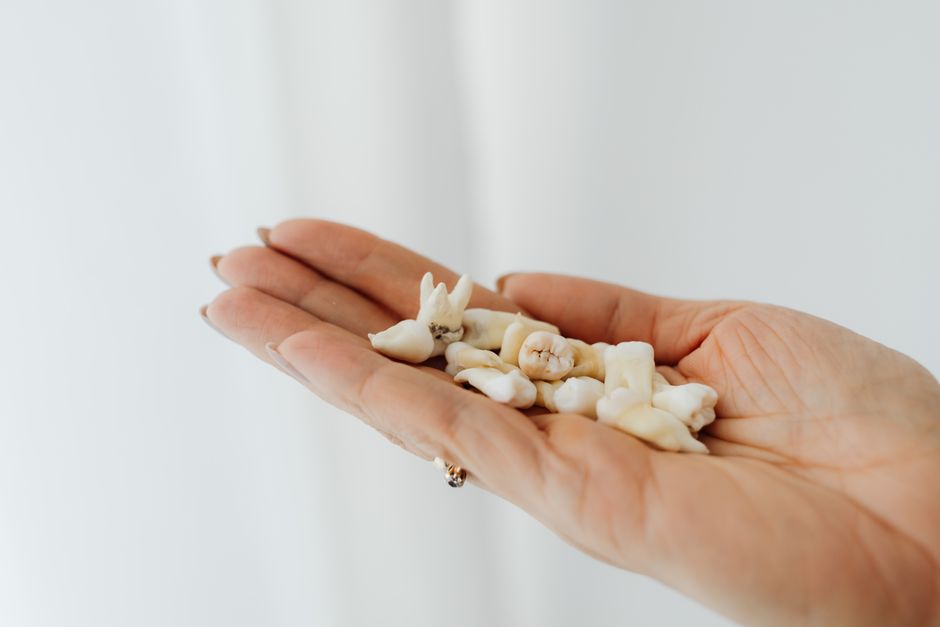
A tooth fracture happens when force overwhelms the hard outer shell of the tooth, and the type of break depends on how that force was delivered. Biting down on something hard tends to cause a crack or split. A blow to the face usually chips or snaps off a piece. Chewing on something unexpected — a stray bone, an olive pit, a piece of ice — is one of the most common everyday causes. The result can range from a tiny enamel chip that causes no pain to a deep split that reaches the nerve and requires urgent care.
Understanding which type you have matters because treatment differs sharply between them. A small chip on a back tooth may need nothing more than smoothing. A vertical crack running through the root can mean the tooth cannot be saved. The sections below explain the mechanics, the fracture types, and what the symptoms tell you.
How Do You Fracture A Tooth Causes And Types?
Fractures happen through two basic pathways: a single strong impact or repeated smaller stresses over time.
Impact fractures come from a fall, a sports collision, a car accident, or a physical altercation. The force hits the tooth directly and something has to give. Enamel is the hardest tissue in the human body, but it is brittle. It resists compression well and handles shearing forces poorly. That is why a sideways blow tends to break a tooth while straight-down biting pressure usually does not.
Fatigue fractures build up slowly. Every time you chew, your teeth flex by microscopic amounts. Over years or decades, tiny flaws in the enamel and underlying dentin can grow. This is why older adults fracture teeth more often than children, even when their teeth are otherwise healthy. The cumulative number of chewing cycles matters.
Several factors make a fracture more likely:
- Untreated cavities weaken the tooth structure from the inside
- Large old fillings can act as a wedge, concentrating stress at the edges
- Root canal treatment removes the pulp, and a tooth without a pulp loses some flexibility and moisture, making it more brittle over time
- Grinding or clenching adds heavy repeated loads, especially during sleep
- Acidic foods and drinks gradually soften enamel, lowering its resistance
- Age brings cumulative micro-damage that no amount of good hygiene fully reverses
The type of fracture that results is largely determined by which of these forces is at work, and where the tooth is weakest.
What Are the Different Types of Tooth Fractures?
Dentists generally classify fractures by how deep they go and which part of the tooth is involved. This classification drives treatment decisions more than the size of the break does.
Craze lines are shallow, vertical lines in the enamel only. They are extremely common in adults and almost always harmless. They do not cause pain and do not need treatment. Many people notice them under bright light and worry unnecessarily.
Chipped enamel is a small break at the edge of a tooth. It rarely hurts unless it leaves a sharp edge that irritates the tongue or cheek. Cosmetic repair is often optional.
Cracked tooth (cracked tooth syndrome) describes an incomplete crack that starts at the chewing surface and extends downward, often into the dentin. It does not yet split the tooth into separate pieces. This type is notoriously hard to diagnose because the crack may be invisible on X-rays and the pain comes and goes. People often describe a sharp twinge when biting down on something, then relief when the pressure is released.
Fractured cusp means a piece of the chewing surface has broken off, usually around an old filling. It often does not hurt because the break stays away from the pulp. It does leave a rough edge and exposed dentin.
Split tooth is a crack that extends all the way through the tooth, dividing it into distinct segments. This is a serious situation. A split tooth usually cannot be repaired and often needs extraction.
Vertical root fracture runs down the root below the gumline. It is one of the hardest dental problems to detect because the fracture is often hidden. Signs include persistent discomfort, swelling, and a gum boil near the affected tooth. Many vertical root fractures lead to extraction.
What Are the Symptoms of a Fractured Tooth?
Pain is not a reliable guide to how serious a fracture is. Some deep cracks cause almost no discomfort at first. Some shallow chips hurt a great deal because they expose sensitive dentin.
Common signs include:
- A sharp, brief pain when biting or chewing, especially when you release the bite
- Sensitivity to hot or cold that lingers longer than usual
- A rough or sharp edge you can feel with your tongue
- Pain that comes and goes rather than staying constant
- Swelling of the gum near one specific tooth
- A visible crack or missing piece
The pattern of pain is often the most useful clue. Pain that appears only when you bite and disappears immediately after suggests a cracked tooth. Pain that lingers after a cold drink suggests the pulp is involved. Constant throbbing pain with swelling suggests infection has developed, which is a different problem from the fracture itself but can follow one.
One detail worth knowing: a fractured tooth can be painless for months and then suddenly become severe. That does not mean the fracture just happened. It usually means the crack has extended far enough to irritate or expose the pulp.
Why Does a Tooth Fracture Instead of Just Wearing Down?
Teeth are built to handle enormous vertical force but they are not built to bend. Enamel is roughly 96 percent mineral by weight, which makes it extremely hard and extremely brittle. Underneath it, dentin is softer and more flexible. This pairing works well under normal chewing loads, where the enamel takes the compression and the dentin absorbs some of the strain.
Problems arise when force arrives from an angle the tooth was not designed for, or when the underlying dentin is no longer able to support the enamel. A cavity, a large filling, or years of flexing can all undermine that support. Once the enamel loses its backing, it cracks rather than deforms.
This is also why a tooth that has had a root canal is more fracture-prone. Removing the pulp does not change the enamel directly, but it does remove the internal tissue that provided some moisture and elasticity. Many dentists recommend a crown after root canal treatment on back teeth specifically to reduce fracture risk, though the evidence for how much this reduces risk varies by tooth and situation.
When Should You See a Dentist for a Fractured Tooth?
Any fracture that causes pain, bleeding, or a visible break in the tooth should be evaluated. That is the straightforward part.
The less obvious situation is a tooth that feels fine but has a rough edge or a visible crack. These are worth mentioning at your next routine visit rather than waiting for symptoms. A crack that is caught early may be treatable with a simple crown. The same crack discovered a year later may have progressed to a split tooth.
Seek care promptly if you have:
- Pain that wakes you from sleep
- Swelling in your face or jaw
- A fever along with tooth pain
- A tooth that has visibly moved or feels loose
- Difficulty swallowing or breathing
Swelling with fever or trouble swallowing can indicate a spreading infection, which is a medical emergency and not a routine dental appointment. In that situation, urgent care or an emergency room is the right choice.
For a chipped tooth with no pain, a dental visit within a few days is generally reasonable. For a broken tooth with exposed pink or red tissue inside, or with significant pain, same-day care is better.
How Are Tooth Fractures Treated?
Treatment depends entirely on the type and depth of the fracture. There is no single approach.
Craze lines and small chips often need no treatment at all, or only smoothing of a sharp edge. Some chips are repaired with tooth-colored bonding material for appearance rather than function.
A fractured cusp is usually restored with a filling or a crown, depending on how much tooth structure remains. A cracked tooth that has not reached the pulp may be treated with a crown that holds the pieces together. If the crack has reached the pulp, root canal treatment followed by a crown is common.
A split tooth or a vertical root fracture generally cannot be saved. Extraction is the usual outcome, sometimes followed by an implant or bridge to replace the tooth.
It is worth being clear about one thing: crowns and bonding can protect a cracked tooth and relieve symptoms, but they do not heal the crack itself. The crack is still there. The goal is to stop it from spreading and to remove the pain. This is why follow-up matters even after treatment feels successful.
Can You Prevent a Tooth Fracture?
You cannot eliminate the risk, but you can lower it. The most effective steps target the factors that weaken teeth in the first place.
Keep cavities treated. A small filling done early is far less likely to lead to a fracture than a large cavity left alone for years. Wear a mouthguard if you grind your teeth at night or play contact sports. Avoid chewing ice, hard candy, unpopped popcorn kernels, and olive pits — these are among the most common causes of unexpected fractures in people with otherwise healthy teeth.
Be cautious with very hard foods if you have large old fillings or have had root canal treatment. Those teeth have less structural reserve.
Regular dental visits matter here for a specific reason. A dentist can often spot a failing filling or a hairline crack before it becomes a break. That window is when treatment is simplest and least expensive.
Frequently Asked Questions
Can a fractured tooth heal on its own?
No. Enamel and dentin do not regenerate the way bone does, so a fracture will not close on its own. Small chips may cause no problems and need no treatment, but the break itself remains.
How do I know if my tooth is cracked or just chipped?
A chip is a piece missing from the edge or surface, while a crack is a line running through the tooth that may not be visible. Only a dentist can reliably tell the difference, since many cracks are invisible to the eye and on X-rays.
Is a cracked tooth an emergency?
Not always. A cracked tooth with mild or no pain can usually wait for a regular appointment. Severe pain, facial swelling, fever, or trouble swallowing requires urgent care the same day.
Can a tooth fracture months after a root canal?
Yes. A tooth that has had root canal treatment loses some internal structure and can become more brittle over time. This is one reason a crown is often recommended afterward, especially on back teeth.
